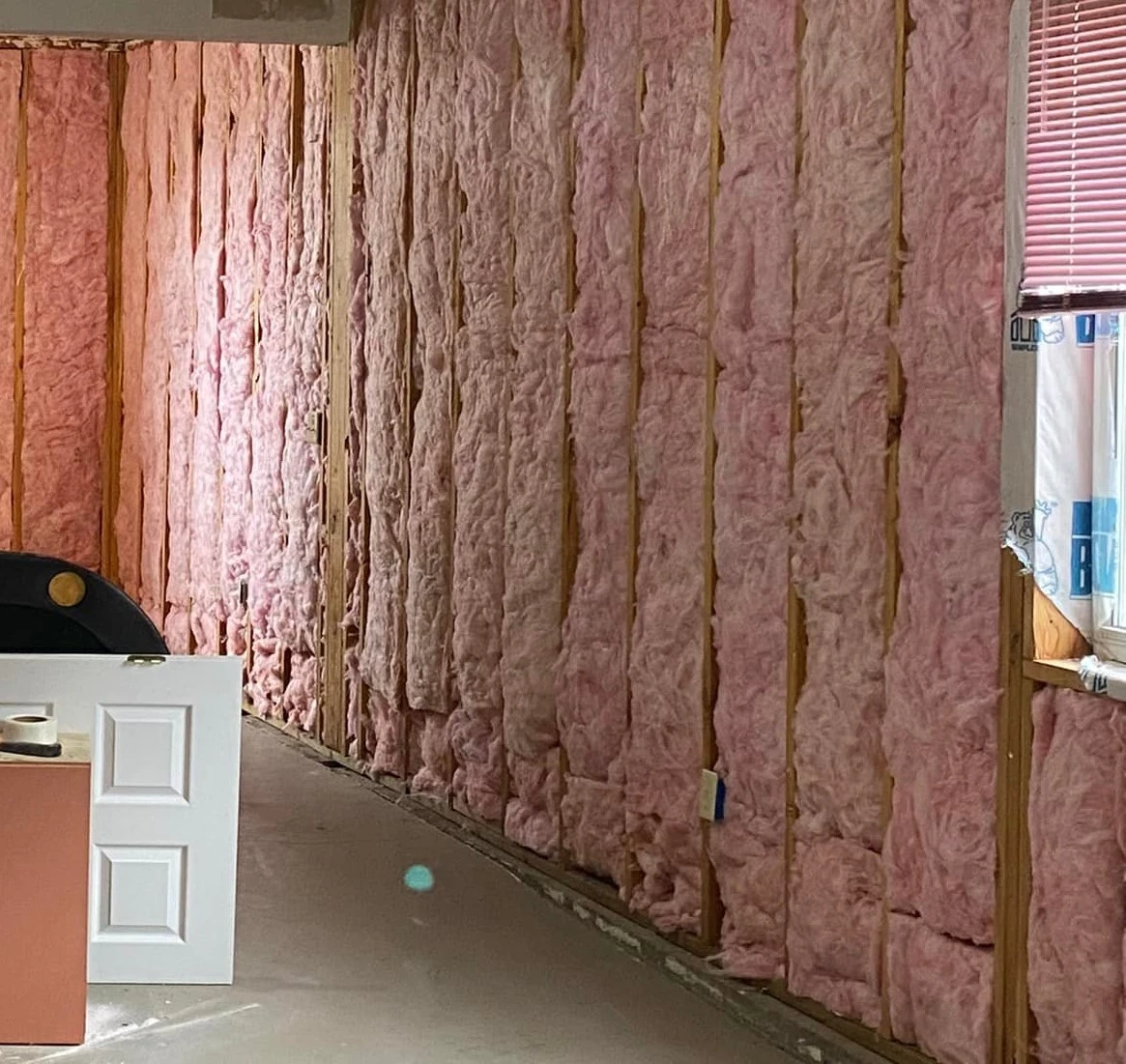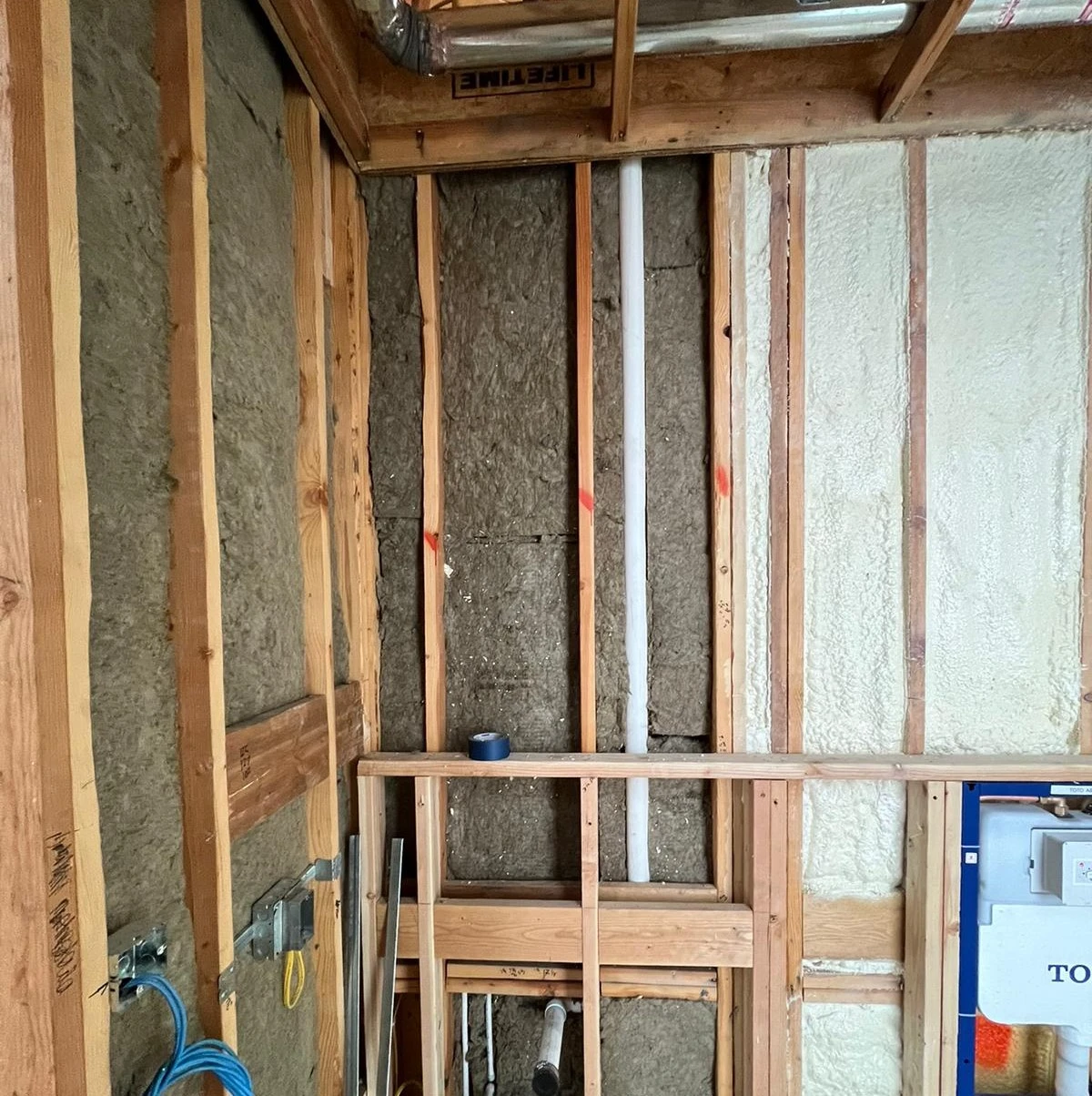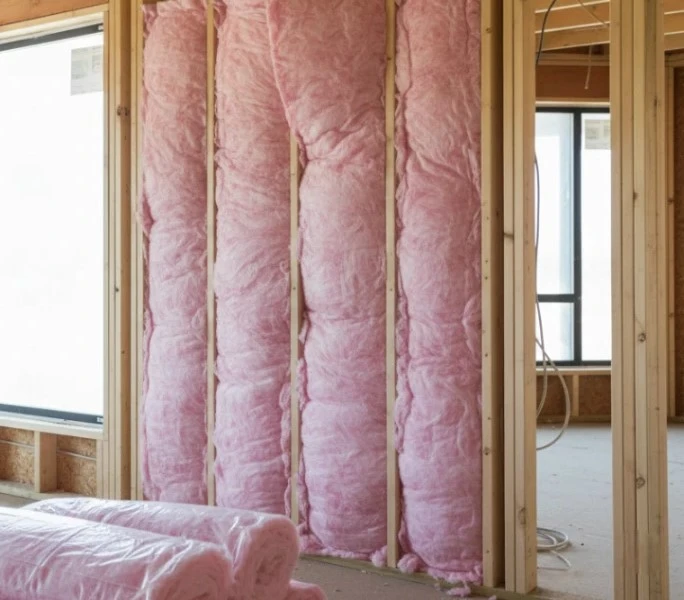
Installing Fiberglass Insulation Correctly: Step-by-Step Guidance
Installing fiberglass insulation properly comes down to three fundamentals: selecting the right R-value for your climate zone, preparing the work…

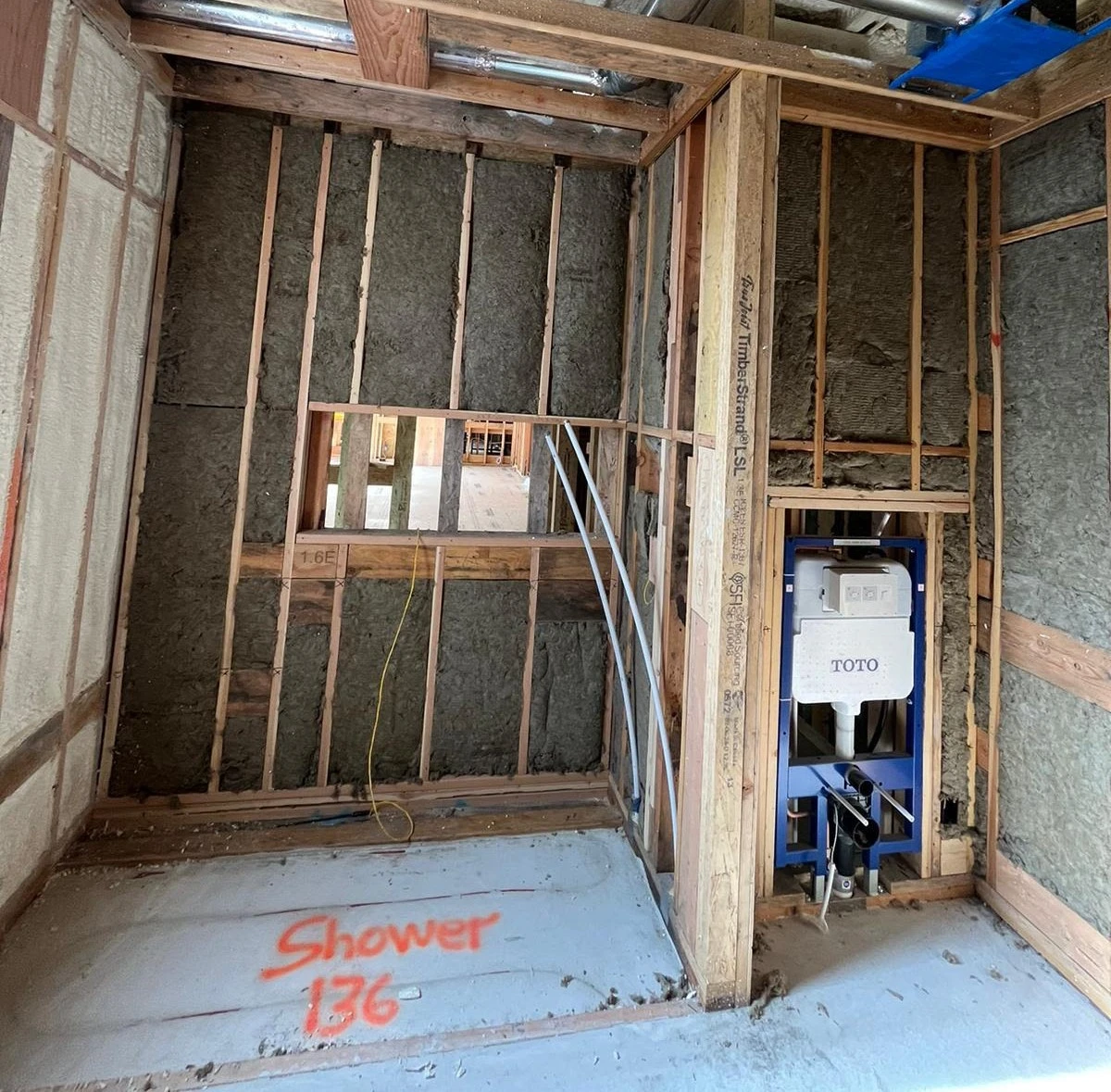
Mineral wool insulation can be an excellent choice for Jackson Hole homes, but it is not automatically the right fit for every project. The decision depends on your home’s construction type, budget, performance priorities, and whether the application is a new build, a remodel, or an attic retrofit. Mineral wool delivers superior fire resistance, sound dampening, and moisture tolerance compared to fiberglass, with an R-value per inch that is roughly 22 to 37% higher. In a climate like Jackson Hole’s, where winter temperatures regularly drop well below zero, that thermal performance matters. However, advanced mineral wool insulation also costs more upfront and is heavier to handle during installation. Weighing those trade-offs against the demands of Teton County’s climate zone will point you toward the right call.
Jackson Hole sits in some of the most demanding climate zones in the continental United States. According to the U.S. Department of Energy’s climate region guide, Teton County falls within IECC Climate Zones 6B and 7, where winter design temperatures can reach -7°F or lower. The Wyoming building energy code requirements reflect this severity: wall assemblies need a minimum of R-20 (or R-13 cavity plus R-5 continuous insulation), and attics require R-49 to R-60 depending on the specific zone and construction method.
When temperatures stay below freezing for weeks at a time and heating costs represent a significant portion of a household budget, every R-value point has a direct impact on comfort and monthly expenses. The insulation material you choose is not just a code compliance checkbox. It determines how well your home holds heat, resists moisture infiltration from snowmelt, and how effectively high-performance insulation materials protect your family during power outages or extreme cold snaps.
Understanding how mineral wool stacks up against the two most common alternatives helps clarify where it adds value and where the cost premium may not be justified.
| Feature | Mineral Wool | Fiberglass | Cellulose |
|---|---|---|---|
| R-value per inch | 3.7 to 4.3 | 2.9 to 3.8 | 3.2 to 3.8 |
| Fire resistance | Non-combustible, melts above 2,000°F | Combustible, melts around 1,000°F | Treated with fire retardants, but can smolder |
| Moisture resistance | Hydrophobic, retains R-value when damp | Absorbs moisture, loses R-value, mold risk | Absorbs moisture, can settle and compact |
| Sound dampening (STC) | Excellent, high-density absorbs sound | Moderate | Good |
| Weight | Heavy, dense | Lightweight | Moderate |
| Cost (per sq ft, R-15) | $1.50 to $2.50 | $0.75 to $1.50 | $0.80 to $1.50 |
| Best application | Wall cavities, continuous exterior, fire-rated assemblies | Standard wall cavities, attic floors | Attic floors, retrofit cavity fills |
| Lifespan | 50+ years, does not degrade or settle | Can sag and lose R-value over time | Can settle up to 20% over time |
Table: Insulation material comparison for residential applications in cold climates.
As the comparison shows, mineral wool offers the strongest overall performance profile, particularly in fire resistance and moisture handling. The Johns Manville comparison of mineral wool vs. fiberglass confirms that mineral wool batts deliver R-15 at just 3.5 inches, while fiberglass typically needs a full 5.5 inches to reach the same rating. In a wall assembly where cavity depth is limited, that efficiency per inch directly translates to better thermal performance.
Walls are where mineral wool delivers the most consistent value in Jackson Hole homes. Here is why:
Higher R-value in standard cavity depths. Most 2×4 wall cavities are 3.5 inches deep, and 2×6 cavities are 5.5 inches. Mineral wool R-15 batts fit a 2×4 cavity, while fiberglass R-15 batts require a 2×6 cavity. For homes with 2×4 framing, mineral wool lets you hit stronger thermal targets without changing your framing plan.
Continuous exterior insulation compatibility. Mineral wool rigid boards (such as Comfortboard) are increasingly popular as continuous exterior insulation. They offer R-4 to R-4.5 per inch and double as a drainage plane behind siding. In Climate Zones 6 and 7, continuous exterior insulation is either required or strongly recommended to eliminate thermal bridging through framing. Mineral wool boards handle this role without the sealing complexity of rigid foam.
Moisture management. Jackson Hole receives significant snowfall, and snowmelt can find its way into wall assemblies through wind-driven rain, ice dams, or construction gaps. Mineral wool is hydrophobic by nature, meaning it repels liquid water while still allowing vapor diffusion. Fiberglass, by contrast, can trap moisture and create conditions for mold growth within wall cavities.
Fire performance. Wildfire risk is a real concern in the greater Teton area. Mineral wool is classified as non-combustible and does not contribute to flame spread. For homes in wildland-urban interface zones, this can be both a safety advantage and a potential insurance benefit.
| Construction Type | Recommended Mineral Wool Application | Why It Works |
|---|---|---|
| New build, 2×6 framing | R-23 mineral wool batts in cavity + R-10 continuous exterior board | Exceeds code, eliminates thermal bridging, excellent air sealing |
| New build, 2×4 framing | R-15 mineral wool batts in cavity + R-15 continuous exterior board | Maximizes performance in shallow cavities, meets Zone 6/7 requirements |
| Remodel, existing 2×4 walls | R-15 mineral wool cavity retrofit (where accessible) | Improves thermal performance without reframing |
| Timber frame or post and beam | R-23 batts or mineral wool continuous exterior + dense-pack cellulose hybrid | Combines the strengths of multiple materials for complex assemblies |
Table: Wall assembly strategies using mineral wool for different construction types in Teton County.
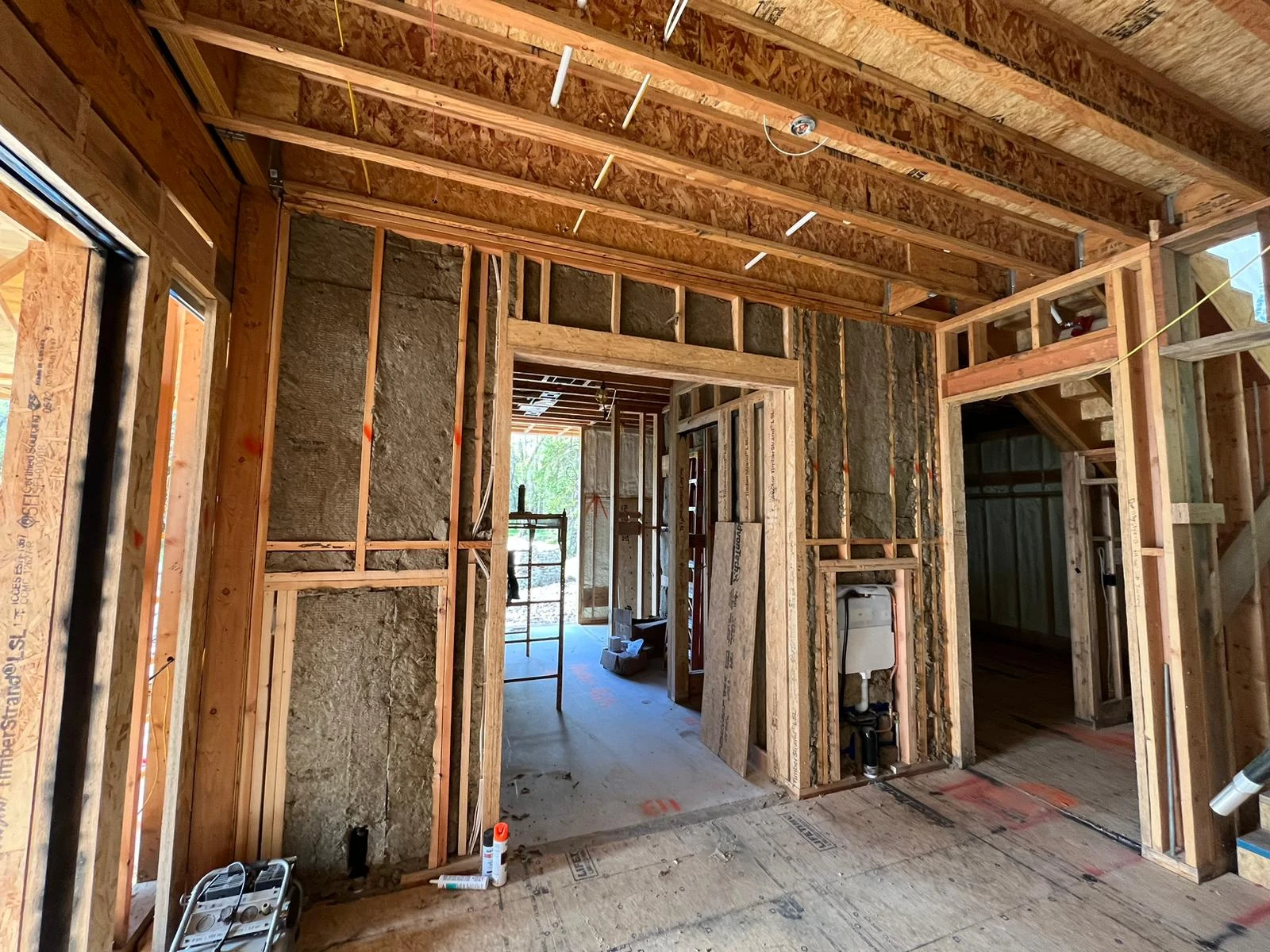
Attics present a different set of considerations. While mineral wool can be used in attics, it is not always the most practical or cost-effective choice.
Where mineral wool works in attics: Mineral wool batts perform well in cathedral ceilings and flat attic ceilings where insulation must fit between rafters or truss bottom chords. The density and rigidity of mineral wool help it stay in place against gravity, unlike fiberglass, which can sag over time. For conditioned attic assemblies (where insulation is placed at the roof deck rather than the attic floor), mineral wool rigid board or batts are an excellent choice because of their fire resistance and moisture tolerance, especially when compared to spray foam insulation solutions in Jackson Hole homes.
Where other materials may be better: For open attic floor applications, blown-in cellulose or fiberglass is generally more practical. Blown-in insulation fills gaps and covers irregular framing more completely, and the cost per R-value is significantly lower. Blown cellulose at R-60 over an attic floor is typically more affordable than achieving the same R-value with mineral wool batts. According to Angi’s insulation comparison guide, fiberglass is more susceptible to thermal drift over time, but in an attic floor application where the insulation is protected from compression and moisture, this is less of a concern.
| Attic Scenario | Best Material Choice | Reason |
|---|---|---|
| Flat attic floor, open joists | Blown-in cellulose or fiberglass | Lower cost, better coverage over irregular surfaces |
| Cathedral ceiling, insulated at the roof deck | Mineral wool batts or rigid board | Fire resistance, moisture tolerance, and stays in place |
| Conditioned attic (insulated at roofline) | Mineral wool rigid board + spray foam sealant | Best moisture and air sealing performance |
| Attic retrofit over existing insulation | Blown-in cellulose over existing fiberglass | Fills voids, adds R-value affordably |
| Shallow rafter bays (limited depth) | Mineral wool high-density batts | Higher R-value per inch maximizes performance in tight spaces |
Table: Attic insulation material recommendations by scenario.
Material cost is the most common hesitation when considering mineral wool. In the Teton County market, where construction costs are already elevated, the premium for mineral wool over fiberglass typically runs 20 to 40% per square foot. On a 3,000 square foot home, that premium can add several thousand dollars to the insulation line item.
However, the return on that investment comes in multiple forms:
The payback period for the mineral wool premium depends on energy costs, home size, and heating system efficiency, but in a climate with 7,000+ heating degree days, the long-term savings are meaningful.
New construction: Mineral wool is the strongest all-around choice for wall cavities and continuous exterior insulation. Pair it with blown cellulose in the attic floor for a cost-optimized approach that does not sacrifice performance where it matters most.
Major remodels: If wall cavities are opened during a remodel, upgrading to mineral wool batts is a relatively low-cost decision that pays dividends for decades. If walls are not opened, focus the mineral wool budget on continuous exterior insulation added during re-siding.
Attic-only upgrades: Unless you are insulating at the roof deck for a conditioned attic, blown-in cellulose or fiberglass over the attic floor is typically the better investment. Reserve mineral wool for cathedral ceiling bays or shallow rafter cavities.
Fire-hardening projects: If wildfire mitigation is a priority, mineral wool should be specified for all wall assemblies and any exposed ceiling or roof assemblies where fire-rated performance adds protection.
A solid insulation plan for a Jackson Hole home should check several boxes:
Bar Chart Concept: Compare the effective R-value of a 2×4 wall cavity using fiberglass vs. mineral wool, with and without R-10 continuous exterior insulation. Four bars total: fiberglass only, fiberglass plus continuous, mineral wool only, mineral wool plus continuous. Label each bar with the total assembly R-value and the approximate heating cost savings percentage relative to the fiberglass-only baseline. This visually demonstrates the compounding benefit of combining high-performing cavity insulation with continuous exterior insulation.
Choosing the right insulation material for Teton County’s demanding climate requires local knowledge and hands-on experience with the materials that perform best in extreme cold. At High Country Solution, we specify and install insulation systems designed for Jackson Hole’s unique conditions, from mineral wool wall assemblies to hybrid attic solutions that balance performance and budget. Every project starts with an assessment of your home’s specific needs and climate zone requirements.
Call us directly at (307) 248-9063 or email [email protected]. We serve Jackson Hole and the greater Teton region with insulation solutions built to withstand the worst winter your home can throw at it.
In most cases, yes. The higher R-value per inch, fire resistance, and moisture tolerance provide measurable benefits in Climate Zones 6B and 7. For wall assemblies, especially, the performance advantage justifies the premium. For attic floors where blown-in options are more practical and affordable, the cost-benefit calculation shifts.
Mineral wool cannot be blown into closed wall cavities like cellulose or fiberglass. It is installed as batts, which require open access to the cavity. For existing walls that are not being opened, consider a continuous exterior mineral wool board added during re-siding as an alternative upgrade path.
The vapor barrier strategy depends on your specific wall assembly, not just the insulation material. In Teton County’s cold climate, a Class II vapor retarder (such as kraft-faced batts or smart vapor retarders) is generally recommended on the warm-in-winter side of the assembly. Your contractor should design the vapor management strategy as part of the overall wall assembly plan.
Mineral wool is hydrophobic and does not wick water, so it can survive exposure to moisture without permanently losing its R-value. Once dried, mineral wool returns to full thermal performance. This is a significant advantage over fiberglass, which can retain moisture and support mold growth after getting wet.
Mineral wool does not degrade, settle, or lose R-value over time under normal conditions. Manufacturers typically warranty mineral wool for 50 years or more, and in practice, it can last the life of the building without replacement, provided it is installed correctly and protected from prolonged direct water exposure.