Installing Fiberglass Insulation Correctly: Step-by-Step Guidance
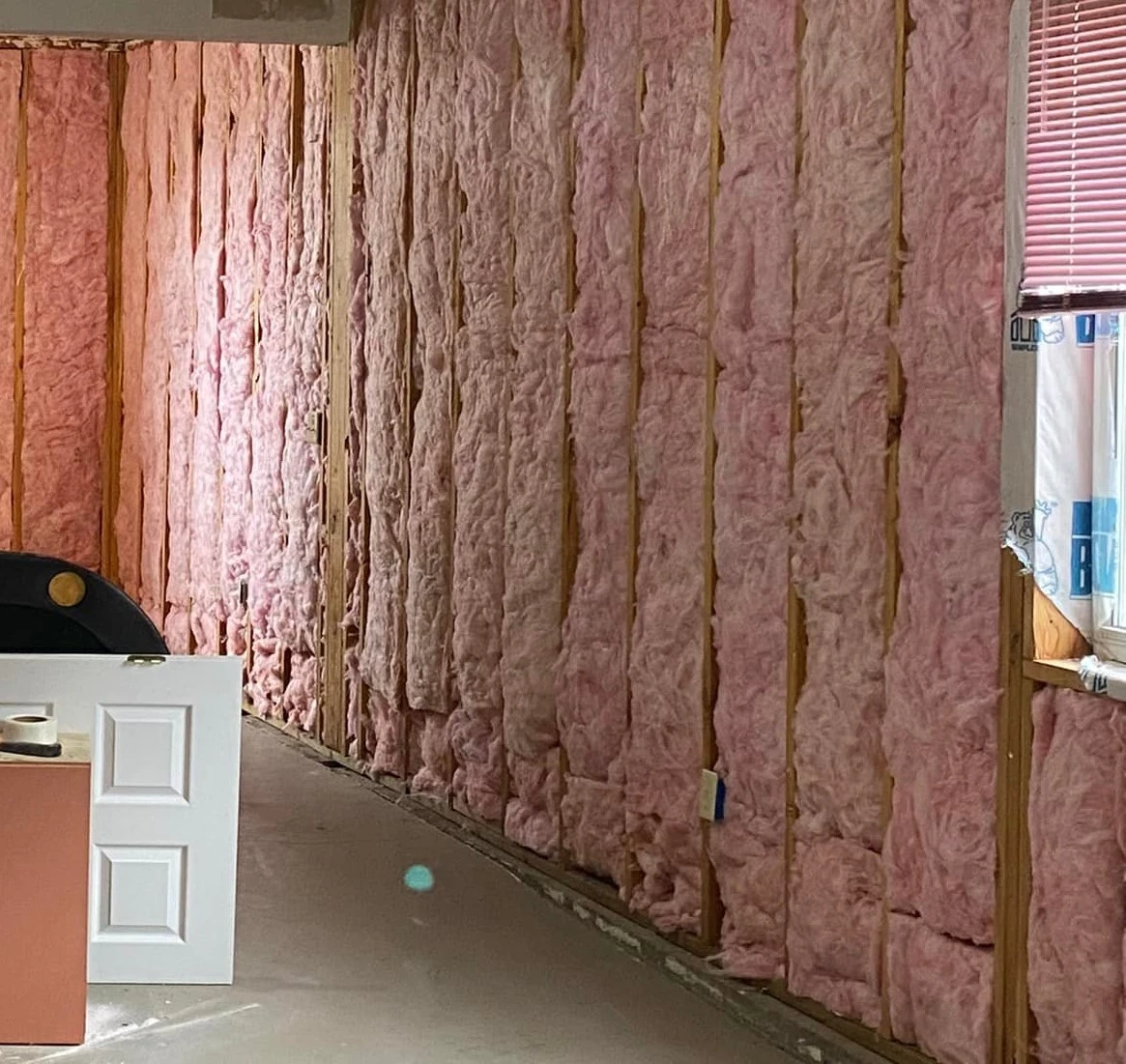
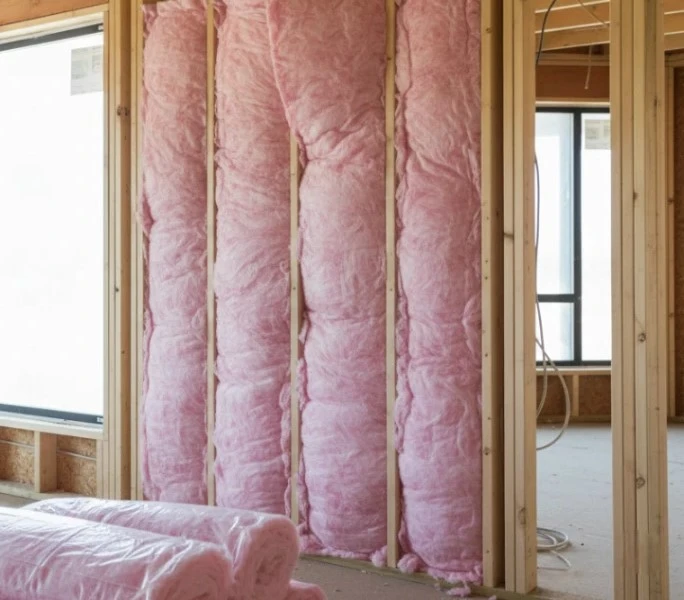
Installing fiberglass insulation properly comes down to three fundamentals: selecting the right R-value for your climate zone, preparing the work…


If you’ve ever stood in your living room during a winter cold snap and felt a draft you couldn’t locate, or lain awake at night listening to traffic noise bleed through your walls, you’ve already experienced the two problems mineral wool insulation solves better than almost anything else on the market. Most homeowners know they need insulation, but fewer understand that the type they choose changes everything about how their home performs, feels, and even protects them in an emergency.
Mineral wool has been around for over a century, yet it’s only recently gained serious traction in residential construction. Builders and homeowners alike are rediscovering what industrial and commercial builders have known for decades: this material handles fire, sound, and moisture in ways that fiberglass and cellulose simply cannot match.
In this guide, you’ll learn exactly what mineral wool is and how it’s manufactured, how it stacks up against every major insulation alternative, where it makes the most sense in your home, what installation actually looks like, how much it costs, and whether it’s the right call for your specific situation. High Country Solution has worked with mineral wool across hundreds of residential projects, and this guide reflects that field-tested experience alongside the latest building science research.
Mineral wool is a fibrous insulation material made primarily from basalt rock and recycled slag from steel production. Unlike fiberglass, which is spun from melted sand and glass, mineral wool starts with volcanic rock that gets heated to roughly 3,000 degrees Fahrenheit, then spun into thin fibers. A small amount of binder oil gets added, and the fibers are compressed into the batts or boards you’d see at a building supply store.
There are two main categories you’ll encounter. Rock wool comes from basalt and diabase, which are volcanic rocks. Slag wool uses blast furnace slag, a byproduct of steel manufacturing. Most products on the market today blend both materials, typically in a ratio of about 70 percent rock and 30 percent slag. You’ll sometimes see the blended product referred to simply as mineral wool, while the individual types get specific names.
The manufacturing process gives mineral wool several physical properties that set it apart. The fibers are dense and interlocking, which means the material holds its shape over time without sagging or settling. It’s naturally hydrophobic, so it repels water rather than absorbing it. And because it’s made from rock, it can withstand extreme heat without melting, burning, or releasing toxic fumes.
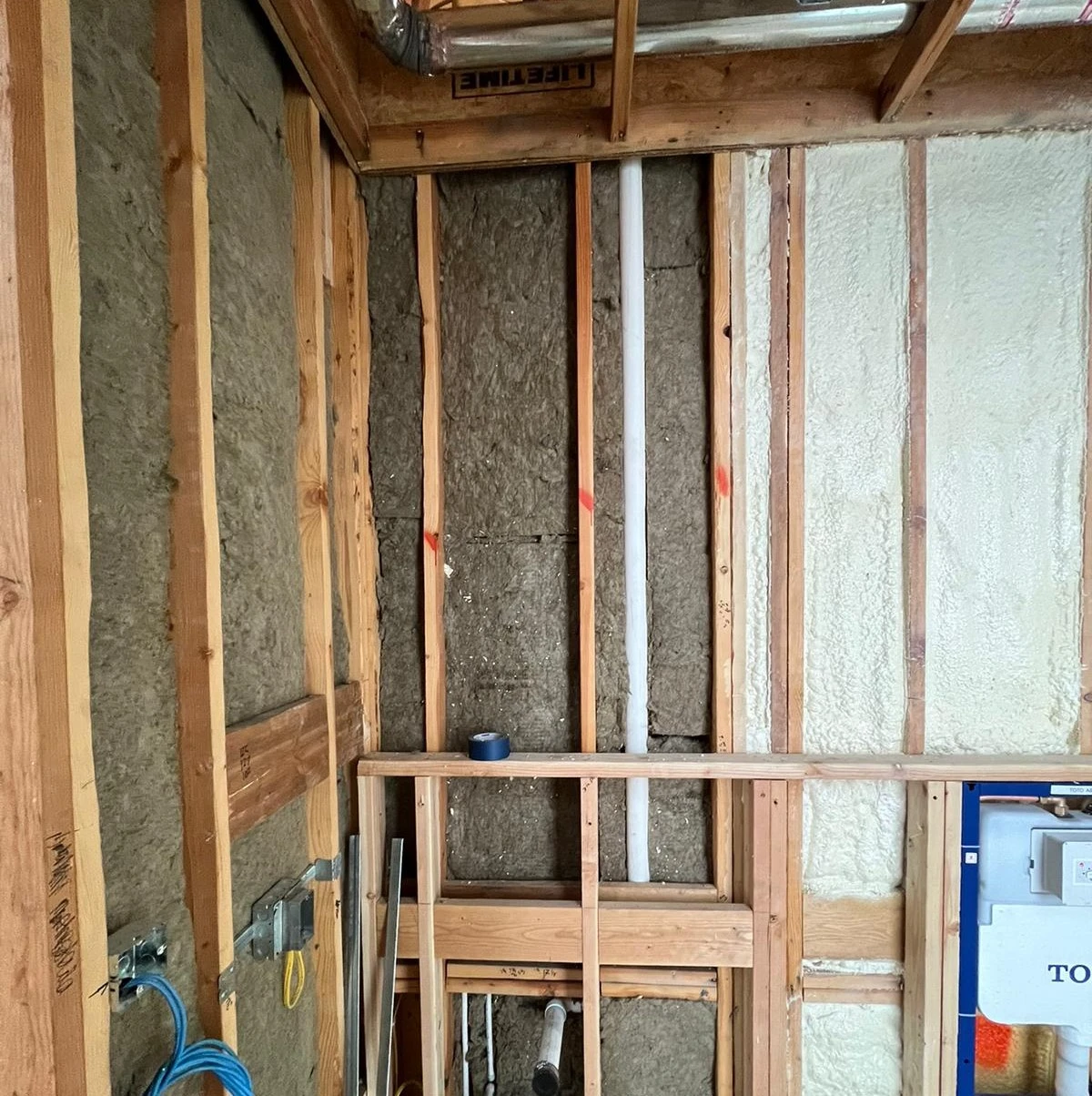
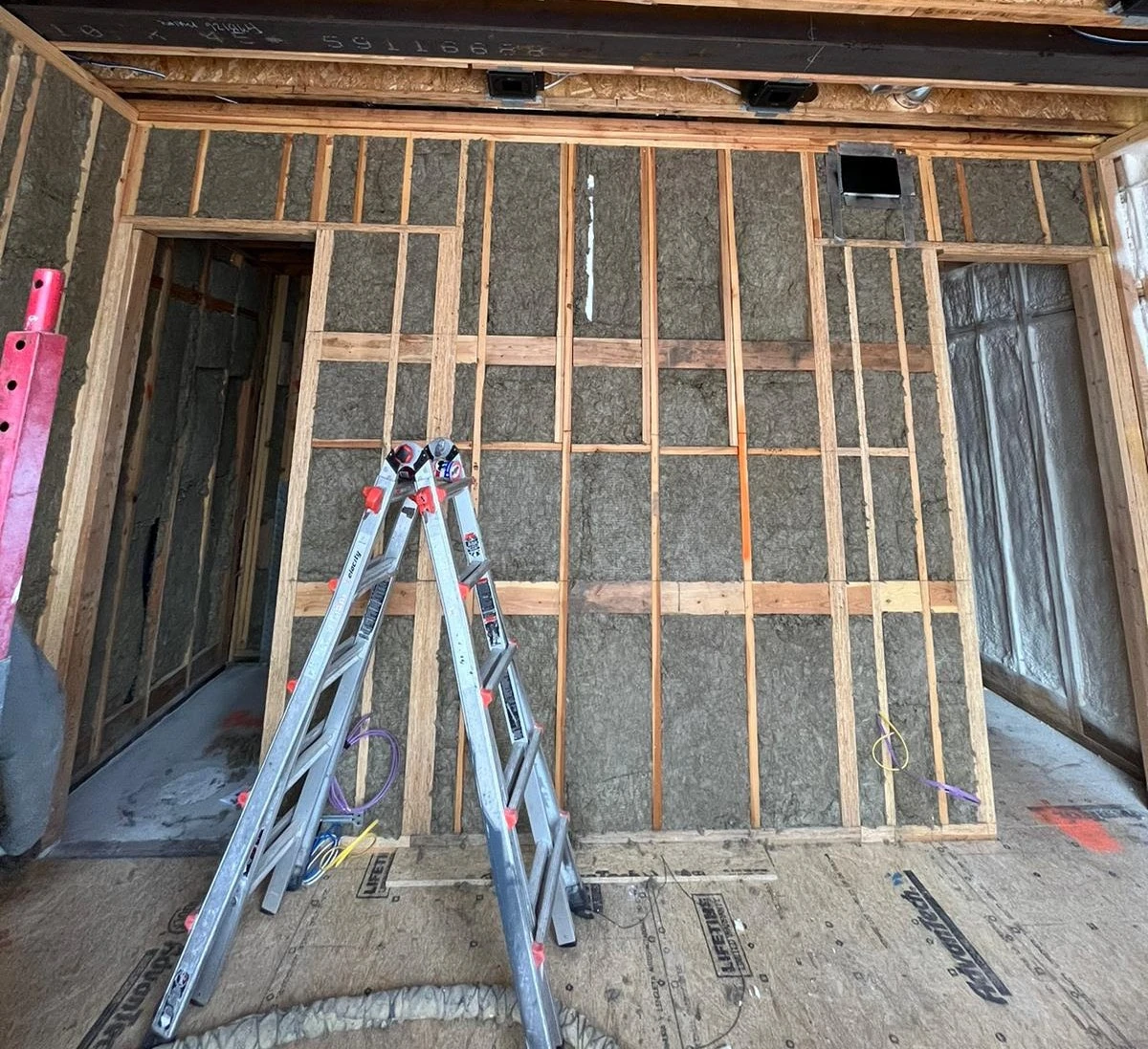
You’ll find mineral wool sold in a few different forms. Batts are the most common for residential use, coming in standard widths designed to fit between wall studs, floor joists, and ceiling rafters. Rigid boards work well for continuous insulation on exterior walls and foundations. Loose-fill mineral wool exists but is less common in residential settings because it requires special blowing equipment.
Choosing insulation means weighing tradeoffs. No single material wins in every category. The table below breaks down how mineral wool stacks up against the three other insulation types you’re most likely to consider.
| Feature | Mineral Wool | Fiberglass | Cellulose | Spray Foam |
|---|---|---|---|---|
| R-value per inch | 3.3 to 4.2 | 2.2 to 3.8 | 3.1 to 3.8 | 3.7 to 6.5 |
| Fire resistance | Non-combustible, melts above 2,000°F | Combustible, melts around 1,000°F | Treated to resist, but can smolder | Varies; some are combustible |
| Sound dampening | Excellent (STC 45-50+ with proper install) | Moderate | Good | Good to excellent |
| Moisture resistance | Repels water, dries if wet | Absorbs and holds moisture | Absorbs moisture, can mold | Acts as a vapor barrier (closed-cell) |
| Settling over time | Minimal to none | Can sag in walls | Settles 15-20% over time | None (rigid) |
| Typical cost per sq ft (R-15 wall) | $1.10 to $1.60 | $0.50 to $0.80 | $0.70 to $1.10 | $1.50 to $3.00 |
| DIY friendliness | Moderate (heavy, needs cutting) | High | Low (requires equipment) | Very low (professional only) |
The numbers tell part of the story, but real-world performance depends heavily on installation quality. A perfectly installed fiberglass wall cavity will outperform a poorly installed mineral wool one every time. Still, mineral wool gives you more margin for error because its density helps it friction-fit into cavities without gaps.
This is where mineral wool separates itself from the pack. According to the North American Insulation Manufacturers Association, mineral wool insulation is inherently non-combustible and can withstand temperatures exceeding 2,000 degrees Fahrenheit without melting or contributing to a fire. For context, a typical house fire peaks around 1,100 to 1,200 degrees Fahrenheit on the interior walls.
What this means in practice: if a fire starts in one room, mineral wool in the walls and ceiling acts as a barrier that slows the spread significantly. It buys time. In fire-rated assemblies, mineral wool is used specifically to meet one-hour and two-hour fire resistance ratings required by building codes in certain wall types, garage separations, and between dwelling units.
Fiberglass, by comparison, will melt and can contribute to fire spread once temperatures climb high enough. Cellulose is treated with fire retardants, but those chemicals can off-gas under heat, and the material can smolder. Spray foam varies by formulation, with many open-cell products being combustible.
Expert Tip: If you’re building an attached garage or finishing a basement, mineral wool in the garage ceiling or basement ceiling is one of the simplest fire safety upgrades you can make. It’s an assembly that building inspectors recognize and approve without extra documentation.
Mineral wool’s density makes it an effective sound barrier. The material absorbs sound energy rather than just blocking it, which means it reduces both airborne noise (voices, television, traffic) and flanking noise that travels through wall studs and floor joists.
A standard 2×4 wall with mineral wool batts and drywall on both sides typically achieves a Sound Transmission Class rating in the mid-40s. Upgrade to a staggered-stud wall with mineral wool, and you can push into the low 50s, which is the range where loud speech becomes inaudible on the other side. For homeowners building home theaters, bedrooms near noisy areas, or multigenerational homes with shared walls, this matters.
Fiberglass performs noticeably worse in side-by-side comparisons because it’s less dense. You can hear the difference, literally.
Mineral wool is hydrophobic. It repels liquid water, and if it does get wet, it drains and dries without losing its R-value or structural integrity. Fiberglass, once saturated, can lose up to 50 percent of its insulating power and may need to be replaced if it stays wet long enough to support mold growth. Cellulose is even worse in this regard because it absorbs and holds moisture like a sponge.
This matters in real-world scenarios like a plumbing leak inside a wall, a roof leak dripping into attic insulation, or moisture wicking through a basement foundation. With mineral wool, you fix the leak, let the material dry, and move on. With other materials, you might be tearing out and replacing insulation.
Key Takeaways: Mineral Wool Benefits
Mineral wool delivers an R-value of roughly 3.3 to 4.2 per inch, depending on the specific product and density. That puts it ahead of standard fiberglass batts and on par with or slightly better than cellulose. High-density mineral wool boards designed for continuous exterior insulation can reach R-4.2 per inch.
But the real advantage isn’t the per-inch number. It’s the fact that mineral wool doesn’t settle, compress, or degrade over time. A wall insulated with mineral wool today will have essentially the same R-value in 30 years. Fiberglass can sag in wall cavities, leaving gaps at the top. Cellulose settles 15 to 20 percent over its lifetime, creating voids at the top of framed cavities. Those voids are where air moves and heat escapes.
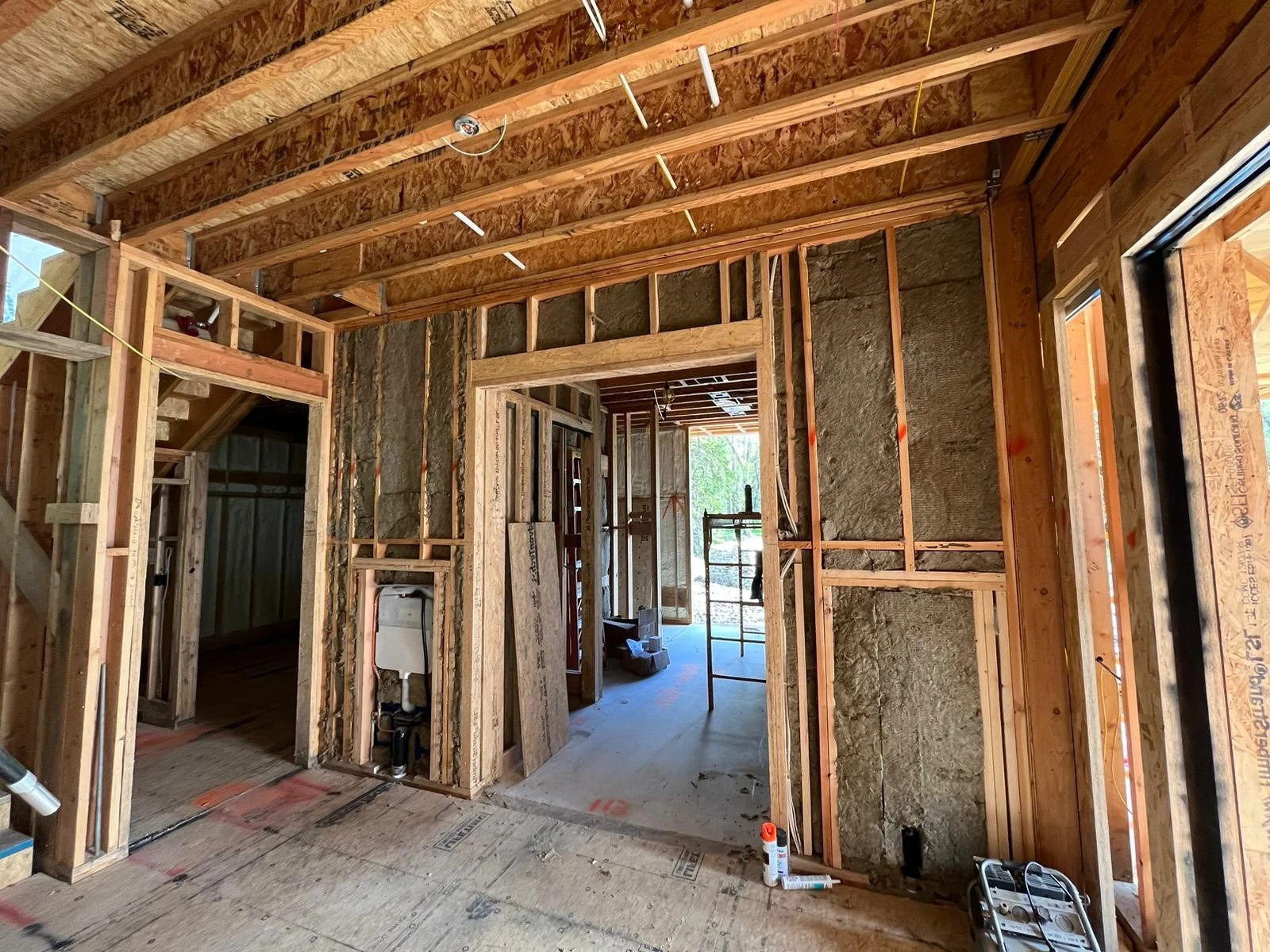
Not every location in your house needs mineral wool, and in some spots, other materials might make more sense. Here’s a practical breakdown.
This is where mineral wool delivers the most value for most homeowners. The friction fit between studs eliminates gaps, the density blocks sound from outside, and the fire resistance adds a layer of protection you can’t get from fiberglass. If you’re doing a gut renovation or new construction, mineral wool in exterior walls is an easy recommendation.
Mineral wool batts work in attics, but they’re heavier than fiberglass, which means you need to be more careful about positioning them above ceiling drywall without causing sagging. Blown-in cellulose or fiberglass often makes more practical sense for attic floors because it fills irregular spaces and covers the top plates of walls more effectively. Where mineral wool shines in attics is on the attic floor of a cathedral ceiling assembly, where the insulation needs to fit tightly between rafters.
Basement walls benefit enormously from mineral wool. The moisture resistance handles the damp environment better than fiberglass, and the fire rating adds safety in a space where furnaces, water heaters, and electrical panels often live. Mineral wool rigid boards installed against foundation walls with a framed wall in front is a well-established approach.
If sound control between rooms matters to you, mineral wool in interior walls is worth the upgrade cost over fiberglass. Bedrooms, home offices, bathrooms, and any room sharing a wall with a noisy space all benefit. It’s also effective in floor and ceiling assemblies to reduce sound transmission between levels.
Building codes often require non-combustible materials within a certain distance of fireplaces and chimneys. Mineral wool meets these requirements where fiberglass does not. For the ceiling between an attached garage and living space, mineral wool provides the fire separation that codes demand and that gives homeowners real peace of mind.
Installing mineral wool batts is something a capable DIYer can handle, but it’s more demanding than working with fiberglass. Understanding the differences before you start will save frustration.
The list is straightforward: a utility knife with sharp blades (mineral wool dulls blades faster than fiberglass), a straightedge or T-square for cutting, a tape measure, safety glasses, a dust mask or respirator, long sleeves, and gloves. Some people prefer a serrated insulation knife rather than a standard utility knife because it cuts with less compression of the material.
Mineral wool cuts best when you compress it slightly against a straightedge and score it with several passes of the knife rather than trying to cut through in one stroke. The goal is a batt that fits snugly between studs or joists with light friction, no gaps, and no compression. Gaps reduce performance, and compression reduces R-value.
Cut batts about a half inch wider than the cavity. Push them in and let them expand to fill the space. For electrical boxes, notch the batt around the box and use the scrap piece to insulate behind it. For pipes and wiring running through the cavity, split the batt and fit it around the obstruction.
Expert Tip: Mark your cuts on the interior face of the batt (the side with the printed information) before cutting. The knife blade should always enter from the uncompressed side and cut toward the compressed side for the cleanest edge.
Mineral wool is roughly 50 to 100 percent heavier than fiberglass, depending on the density. A standard R-15 mineral wool batt for a 2×4 wall weighs noticeably more than the fiberglass equivalent. This matters when you’re working overhead in ceiling cavities or lifting full bundles. Plan your work accordingly and don’t underestimate the fatigue factor on longer installs.
In most climate zones, mineral wool in wall cavities does not require an additional vapour barrier on the interior side, unlike fiberglass assemblies. The material itself is sufficiently permeable to allow drying while dense enough to slow moisture movement. Your specific climate zone and wall assembly details determine the correct approach, so check your local building code requirements and consult with a building professional if you’re unsure.
Expert Tip: When installing mineral wool in a basement against a concrete foundation wall, use rigid mineral wool board rather than batts. The board provides a continuous layer without the thermal bridging that occurs at every stud in a framed wall with batts.
Mineral wool costs more per square foot than fiberglass, typically 60 to 100 percent more depending on the product and your location. For a 1,500-square-foot home with standard 2×4 walls, you might spend $800 to $1,200 more on mineral wool versus fiberglass. That’s real money, and it’s the single most common reason homeowners choose fiberglass instead.
But framing the cost comparison in terms of upfront price alone misses what you’re getting. Mineral wool gives you fire resistance, sound control, and moisture durability that fiberglass doesn’t provide. If you had to add those features separately with fiberglass, the cost difference would shrink considerably or disappear.
Mineral wool is not as widely stocked as fiberglass. In some regions, you might find it at major building supply stores, while in others you’ll need to order it from a specialty supplier or lumber yard. Lead times can be longer, and product selection might be limited to a few R-values and widths. If you’re planning a project, check availability several weeks before your install date.
Mineral wool produces dust when cut, and the fibers can cause temporary skin itching similar to fiberglass. Proper protective equipment eliminates this issue entirely. A P100 respirator, safety glasses, long sleeves, and gloves are the minimum. Some homeowners find that a light misting of water on the cut line reduces dust during cutting, though this adds slight moisture to the material that dries quickly.
Expert Tip: If you’re sensitive to skin irritation, mineral wool fibers tend to be less prickly than fiberglass. Many people who can’t handle fiberglass without significant discomfort find mineral wool more tolerable. That said, always wear gloves until you know how your skin reacts.
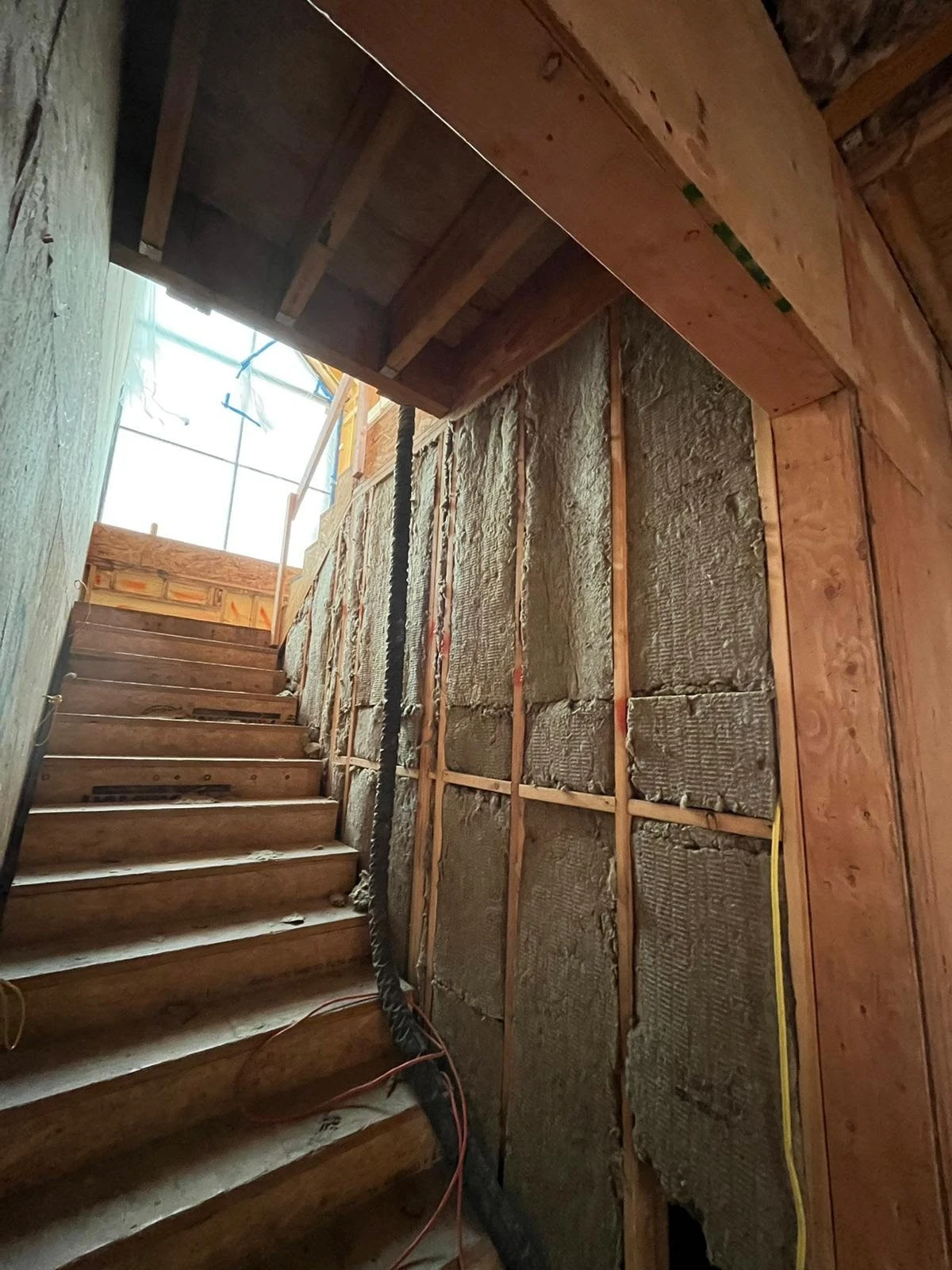
Let’s look at concrete numbers to understand whether mineral wool makes financial sense for your situation.
| Project Area | Mineral Wool Cost | Fiberglass Cost | Cost Difference |
|---|---|---|---|
| 1,500 sq ft exterior walls (R-15) | $1,650 to $2,400 | $750 to $1,200 | $900 to $1,200 more |
| 1,200 sq ft attic floor (R-30) | $1,560 to $2,160 | $840 to $1,200 | $720 to $960 more |
| 400 sq ft basement walls (R-15) | $440 to $640 | $200 to $320 | $240 to $320 more |
| Full house (typical 2,000 sq ft home) | $3,650 to $5,200 | $1,790 to $2,720 | $1,860 to $2,480 more |
These are material-only estimates and will vary by region, supplier, and current pricing. Labor costs are similar between the two materials because installation time is comparable.
The return on investment comes from several directions. The U.S. Department of Energy estimates that proper insulation upgrades can save homeowners between 10 and 15 percent on heating and cooling costs. For a home spending $2,000 annually on energy, that’s $200 to $300 per year in savings. The payback period on the mineral wool premium, depending on your climate zone and existing insulation levels, typically falls in the 6 to 12 year range.
Beyond energy savings, mineral wool adds value through fire protection and sound control that don’t have direct dollar figures but do affect home resale value and quality of life. A home with mineral wool in the garage ceiling and exterior walls has genuine safety and comfort advantages that a buyer’s inspector will notice.
According to market data from Allied Market Research, the global mineral wool insulation market was valued at approximately $10.3 billion in 2022 and is projected to reach $17.8 billion by 2032, growing at around 5.6 percent annually. That growth is driven largely by increasing building energy codes and growing awareness of fire safety, which suggests the material’s advantages are gaining mainstream recognition.
Key Takeaways: Cost and ROI
Homeowners increasingly want building materials that are safe for their families and are responsible for the environment. Mineral wool has a strong story on both fronts, though it’s not without tradeoffs.
On the positive side, mineral wool contains a high percentage of recycled content. Slag wool uses up to 75 percent recycled blast furnace slag, and even rock wool products typically incorporate 25 to 40 percent recycled material. The Environmental Protection Agency recognizes mineral wool as a recycled-content product, and many manufacturers have published environmental product declarations showing lifecycle impacts.
The material is also inert once installed. It doesn’t off-gas volatile organic compounds, it doesn’t support mold growth, and the fibers are bonded in a way that minimizes airborne release during normal use. If you’re chemically sensitive or building for someone who is, mineral wool is generally considered one of the safer insulation options.
The manufacturing process does require significant energy to melt rock to 3,000 degrees. This is an honest environmental tradeoff. Some manufacturers have made meaningful reductions by using renewable energy in their plants and improving furnace efficiency, but the fundamental process is energy-intensive compared to cellulose, which is simply recycled paper with fire retardants added.
On the health side, mineral wool fibers are classified as a Group 3 carcinogen by the International Agency for Research on Cancer, meaning they are “not classifiable as to their carcinogenicity to humans.” This is the same classification as fiberglass and cellulose. The concern is inhalation of airborne fibers during installation, not exposure from installed insulation in your walls. With proper protective equipment during installation, the risk is effectively zero for homeowners and installers alike.
Mineral wool isn’t the right choice for every home or every budget. It makes the most sense when one or more of these conditions apply:
It makes less sense when:
In most wall assemblies, mineral wool does not require a separate interior vapour barrier because the material itself manages moisture transport effectively. Requirements vary by climate zone, and some local codes may still require one. Check with your local building authority before proceeding.
Mold requires moisture, organic material, and time. Mineral wool is inorganic and hydrophobic, so it doesn’t provide the food source mold needs, and it doesn’t hold moisture the way fiberglass or cellulose can. If mineral wool gets wet and dries within a reasonable timeframe, mold growth is extremely unlikely.
During installation, the fibers can cause temporary skin itching and respiratory irritation, similar to fiberglass. Wearing long sleeves, gloves, safety glasses, and a respirator eliminates these issues. Once installed behind drywall, mineral wool poses no health risk to occupants.
Closed-cell spray foam has a higher R-value per inch (around 6.5) and acts as both an insulator and a vapour barrier. It’s more expensive than mineral wool and must be installed by a professional. Mineral wool offers better fire resistance, costs less, and can be installed by a homeowner. The right choice depends on your priorities and project scope.
In walls, no. Mineral wool needs to be installed in an open cavity for a proper friction fit. In attics, you could lay mineral wool batts over existing insulation, but blown-in material is usually more practical and cost-effective for this application. Adding mineral wool as a continuous layer on exterior walls during a re-siding project is another option entirely.
No. Mineral wool’s dense fiber structure maintains its shape and thickness for decades without settling, sagging, or compressing. This is one of its advantages over both fiberglass and cellulose, both of which can lose performance over time due to settling.
Mineral wool insulation offers a combination of fire resistance, sound control, moisture durability, and long-term thermal performance that no other single material matches at a similar price point. It costs more upfront than fiberglass, but the additional benefits are real and measurable, not marketing claims.
Start by identifying where mineral wool delivers the most value in your specific home. Exterior walls, garage ceilings, basement walls, and interior walls where sound control matters are all strong candidates. Get quotes from suppliers in your area to understand actual pricing, and factor in the installation method that works for your skill level and project scope.
Use this guide as a reference as you plan your project. The technical details, comparison data, and installation tips here will help you make informed decisions at every step, from selecting the right product to cutting and fitting your last batt.
If you’re planning an insulation project and want professional input on whether mineral wool is the right choice for your home, High Country Solution can help. Our team has worked with this material across a wide range of residential applications and can offer honest, straightforward guidance based on real installation experience. There is no pressure and no sales pitch, just practical advice. Reach out us at [email protected] or call (307) 248-9063 to discuss your situation.