Why ventilation is a critical partner to your insulation system in Idaho Falls, ID
Ventilation and insulation work as an essential team in Idaho Falls homes, where insulation keeps heat in during winter and…

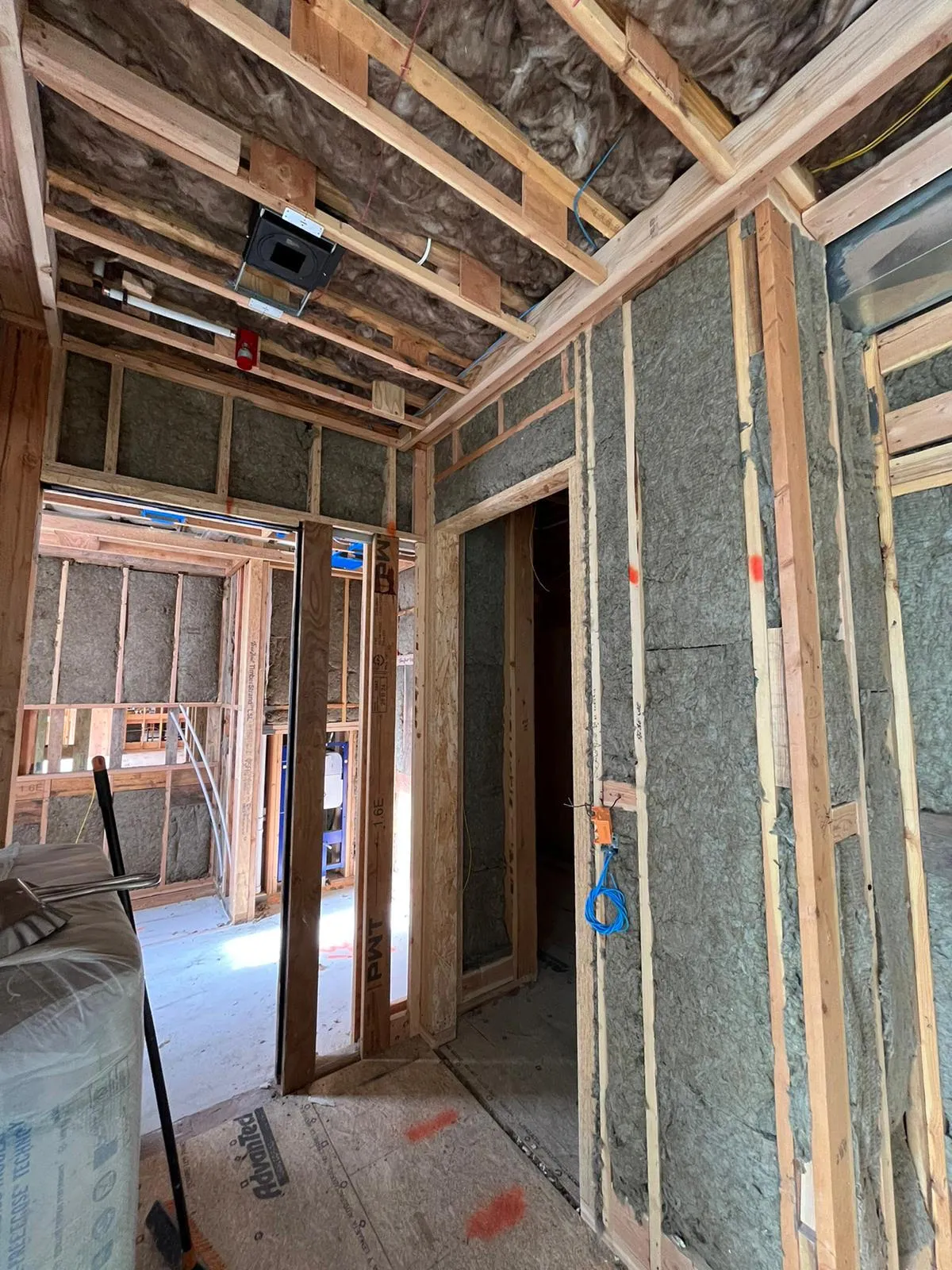
Calculating the return on investment (ROI) for an insulation project in Idaho Falls requires comparing the upfront installation costs against long-term energy savings. The basic formula divides annual energy savings by the total project cost to determine the percentage return. For Idaho Falls specifically, homeowners should factor in the region’s cold winters and heating-dominated climate, which typically yields higher returns due to significant heat loss prevention.
This guide provides comprehensive details on calculating insulation ROI specifically for Idaho Falls properties, including regional energy cost data, climate considerations, and practical calculation methods. The information comes from years of experience working on insulation projects in Idaho’s unique climate, ensuring calculations and recommendations reflect real-world performance in this market.
Idaho Falls residents face distinct energy challenges due to the region’s climate patterns. The area experiences approximately 6,500 heating degree days annually, meaning heating demands dominate energy consumption for most of the year. According to data from the U.S. Energy Information Administration, Idaho homeowners spend an average of $1,200-$1,800 per year on heating costs, with poorly insulated homes often falling at the higher end of this range.
The local utility rates also impact ROI calculations. Idaho Falls Power charges approximately $0.08 per kilowatt-hour, while natural gas costs an average of $0.85 per therm. These relatively lower utility rates extend the payback period compared to national averages, making accurate ROI calculations even more critical for homeowners considering insulation upgrades.
Regional Climate Impact on Insulation Performance: Idaho Falls’ altitude of 4,700 feet and continental climate create conditions where proper insulation dramatically affects heating efficiency. Winter temperatures regularly drop below 15°F, while summer highs reach the upper 80s. This temperature swing means effective insulation provides year-round benefits, though winter heating savings typically account for 70-80% of total energy cost reduction.
The fundamental ROI calculation follows this straightforward equation: ROI = (Annual Energy Savings ÷ Total Installation Cost) × 100
For example, if insulation costs $4,000 and reduces annual heating bills by $600, the ROI would be 15% ($600 ÷ $4,000 × 100). The payback period, another useful metric, would be 6.7 years ($4,000 ÷ $600).
Step-by-Step Calculation Process
Several variables influence how quickly insulation pays for itself in Idaho Falls homes:
Insulation Type and R-Value: Different materials offer varying performance levels at different price points. Here’s how common options compare:
| Insulation Type | R-Value per Inch | Typical Payback Period |
|---|---|---|
| Fiberglass Batts | 3.1-3.4 | 6-8 years |
| Spray Foam | 6.0-6.5 | 8-10 years |
| Cellulose | 3.2-3.8 | 5-7 years |
| Mineral Wool | 3.1-3.4 | 6-9 years |
Bonus Tip: For Idaho Falls homes, targeting R-49 for attics and R-21 for walls provides the best balance between cost and performance based on local climate conditions.
Local building codes and climate-specific factors significantly impact insulation ROI calculations in Idaho Falls:
Building Code Requirements: Idaho Falls follows the 2021 International Energy Conservation Code, which requires minimum R-values of R-49 for attics and R-21 for walls in new construction. However, many existing homes fall short of these standards, creating opportunities for substantial efficiency gains.
Climate-Specific Recommendations: The cold-dry climate in Idaho Falls means moisture control is less critical than in more humid regions. This allows homeowners to focus on maximizing R-value without extensive vapor barrier installations, reducing project costs by 10-15% compared to more humid climates.
Local Rebate and Incentive Programs: Idaho Power offers rebates up to $500 for insulation upgrades, while Rocky Mountain Power provides similar incentives through their Wattsmart program. These rebates directly reduce the net investment cost, improving ROI calculations by 10-25% depending on project size.
Several pre-decision factors determine whether an insulation project makes financial sense for your specific situation:
Home Assessment Requirements: Before calculating potential ROI, conduct a thorough energy audit. Professional audits cost $300-$500 but provide a detailed heat loss analysis that helps prioritize the most cost-effective areas for insulation improvements. DIY audits using thermal cameras can identify major problem areas for less than $100.
Structural Considerations: Idaho Falls has many older homes with limited access to wall cavities. These homes may require more expensive installation methods like blown-in insulation or removing siding, which impacts ROI calculations. Homes with accessible attics typically see faster returns on insulation investments.
Budget Planning High Country Solution recommends budgeting an additional 10-15% for unexpected issues like pest damage removal, air sealing, or structural repairs discovered during installation. These costs affect the true ROI but often provide additional long-term benefits beyond energy savings.
Air Sealing First: Always air seal before adding insulation. The Department of Energy reports that air sealing alone can reduce heating costs by 10-20%, making subsequent insulation more effective.
Phased Approach for Budget Constraints: If budget limits prevent a complete insulation upgrade, start with the attic. In Idaho Falls homes, attic insulation typically provides 40-50% of total possible energy savings but costs only 20-30% of a full-house insulation project.
Calculating insulation ROI requires understanding both the universal formula and Idaho Falls-specific factors. The region’s cold climate makes insulation particularly valuable, with most projects paying for themselves through energy savings within a decade. Remember to include local rebates, potential home value increases, and air sealing costs in your calculations for accurate results.
Before starting any insulation project, evaluate your home’s specific condition, prioritize the most cost-effective improvements, and consider both short-term energy savings and long-term home value impacts. Idaho Falls homeowners who combine proper insulation with air sealing typically achieve the best returns on their investment.
High Country Solution offers comprehensive energy audits and insulation installation services tailored to Idaho Falls homes. Contact the team at [email protected] or call (307) 248-9063 for a detailed ROI analysis specific to your property. Our experience with Idaho climate conditions ensures accurate savings projections and proper installation for maximum returns.
According to research by the National Association of Home Builders, proper insulation can increase home resale value by 2-5%, providing additional ROI beyond energy savings alone.
Most Idaho Falls homeowners see complete payback within 5-8 years for attic insulation and 7-12 years for full-house upgrades, depending on current insulation levels and installation quality.
Compare the installed cost per R-value rather than just the material cost. Higher R-value materials may have longer payback periods but provide better long-term returns, especially in Idaho Falls’ cold climate.
Even homes built within the last 10 years may benefit from insulation improvements. Energy codes have become stricter, and many builders have installed minimum code compliance rather than optimum insulation levels.
Energy-efficient homes typically sell faster and for higher prices. The increased resale value often exceeds the remaining investment, providing immediate ROI through the sale.
Compare utility bills from identical periods before and after installation, adjusting for weather variations using heating degree days. Most Idaho Falls homeowners see a 15-25% reduction in heating costs after proper insulation upgrades.