Why ventilation is a critical partner to your insulation system in Idaho Falls, ID
Ventilation and insulation work as an essential team in Idaho Falls homes, where insulation keeps heat in during winter and…


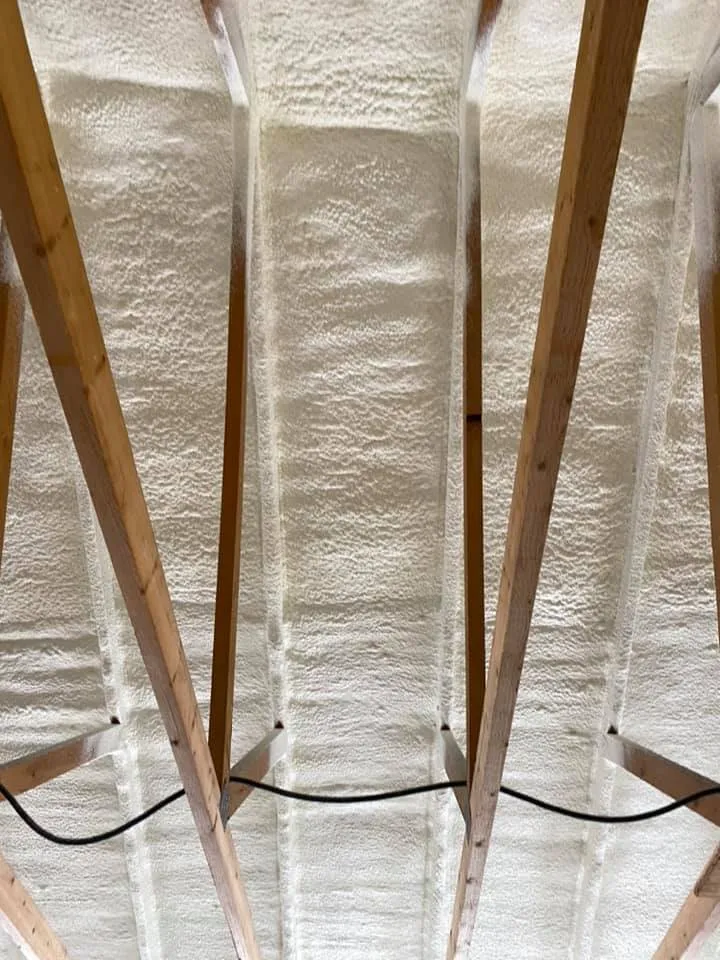
Proper insulation acts as the essential thermal barrier that stabilizes a home’s internal environment, effectively neutralizing the volatile temperature fluctuations of changing seasons. By creating a continuous thermal envelope, insulation installation severely slows the natural movement of heat energy, preventing indoor heat from escaping during cold weather and blocking intense solar heat from entering during warmer months. This process ensures predictable indoor comfort and dramatically reduces the load placed on heating and cooling systems.
Understanding insulation is about recognizing its primary function: resisting heat flow. The quality and placement of insulation determine a structure’s ability to maintain a consistent indoor temperature, safeguarding the building and its occupants from the stress associated with extreme weather variability. The following details explain the science behind this protection, the specific roles different insulation types play, and practical considerations for achieving year-round stability.
Thermal resistance is measured by R-value, a designation that quantifies an insulation material’s ability to resist conductive heat flow. A higher R-value means better insulating power. Achieving true protection against seasonal swings depends entirely on installing the appropriate R-value for the specific climate zone and ensuring coverage is complete. Ignoring gaps, voids, or thermal bridges in the ceiling, walls, or floor severely compromises the R-value of the entire system.
To effectively maintain this protection, it is essential to understand the three primary ways heat travels: conduction (touching), convection (air movement), and radiation (electromagnetic waves). Effective insulation manages all three. Dense materials primarily resist conduction. Air sealing addresses convection, which is often the biggest cause of energy waste. Radiant barriers, often used in attics in hot climates, manage the transfer of radiant heat.
Bonus Tip 1: In high-altitude or arid regions where daily temperatures can swing by 40 degrees or more, focusing on air sealing before insulating is critical. Stopping uncontrolled air exchange prevents rapid heat loss at night and limits humid air infiltration during the day.
Choosing the right material depends on where it is installed and the required R-value. Different materials offer different R-values per inch, impacting the total thickness required to meet recommended standards, as shown in the comparison table below:
| Insulation Material | Typical R-Value Per Inch | Common Applications |
|---|---|---|
| Fiberglass Batts | R-2.9 to R-3.8 | Walls, Attics, Floors (between joists) |
| Loose-Fill Fiberglass | R-2.2 to R-2.7 | Attics, Wall Cavities (blown in) |
| Cellulose (Loose-Fill) | R-3.2 to R-3.8 | Attics, Wall Cavities (excellent dense pack) |
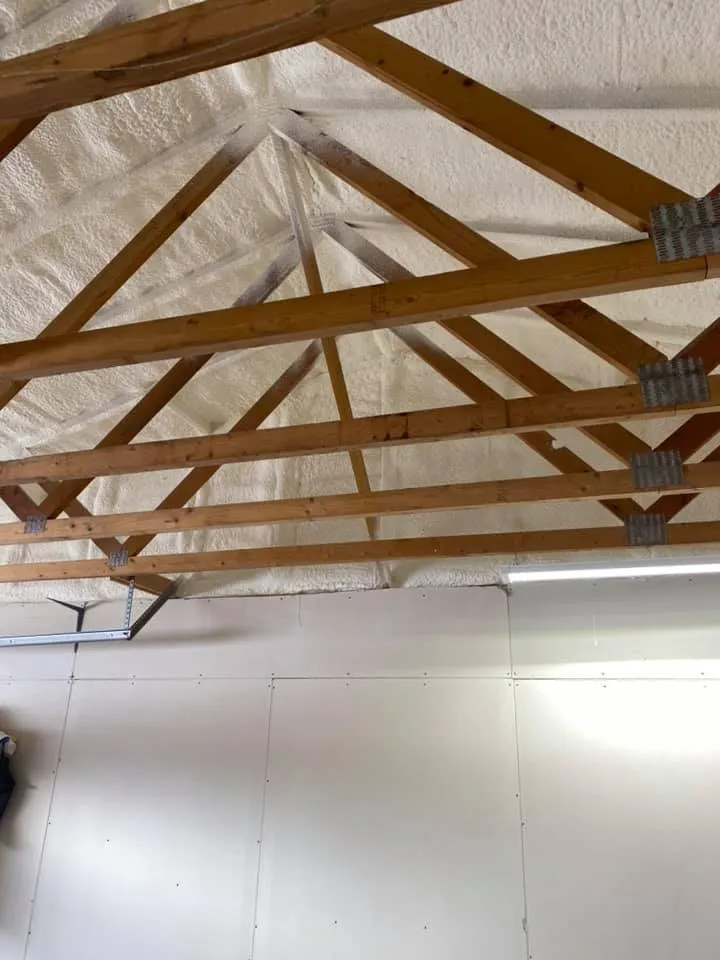
| Closed-Cell Spray Foam | R-6.0 to R-7.0 | New Walls, Rim Joists, Cathedral Ceilings (air sealing) |
| Open-Cell Spray Foam | R-3.5 to R-3.8 | Interior Walls, Ceilings (mid-range density) |
Protecting a home from seasonal changes means addressing the specific direction of heat flow during extreme conditions. While summer and winter present opposite challenges, proper insulation provides a unified solution by restricting energy movement both in and out.
During winter, the goal is to trap expensive indoor heat. Heat naturally migrates toward cold surfaces. When a home lacks sufficient ceiling or wall insulation, heat flows rapidly through the structure to the cold exterior. This forces the heating system to run almost constantly. According to the U.S. Department of Energy, the average home can lose 25% to 30% of its heat through insufficient ceilings, walls, and floors, demonstrating the severity of poor thermal resistance when temperatures drop.
Insulation materials create millions of tiny air pockets that act as thermal brakes. They limit the movement of heat molecules, significantly slowing the rate at which warmth escapes the living space. This results in stable, consistent interior temperatures even when harsh winds or freezing cold dominate the outside environment.
In summer, the process reverses. Solar radiation heats the roof and exterior walls, driving heat inward. Insulation’s job here is to prevent this intense heat gain. The attic often becomes the hottest area of the house, with temperatures easily reaching 140°F or higher. A thick layer of attic insulation acts like a shield, preventing that heat from radiating down into the living areas below.
In regions where summer heat can be dry and intense, a high R-value in the ceiling and proper ventilation are essential to managing attic temperatures. This dual approach ensures the thermal boundary remains cool, keeping the main living space comfortable without oversizing or overworking the air conditioning system.
Bonus Tip 2: For structures with ductwork running through unconditioned attics, insulating and air-sealing the ductwork itself is almost as important as insulating the ceiling. Unprotected ducts can lose up to 30% of their cooling capacity before the air even reaches the vents.
The protective qualities of good insulation extend far beyond just energy bills and comfort. When installed correctly, insulation safeguards the structural integrity of the home by controlling moisture and maintaining structural health.
Seasonal swings often lead to condensation issues. When warm, moist indoor air meets a cold surface (like an uninsulated wall cavity during winter), water vapor condenses into liquid. This condensation creates perfect conditions for mold and mildew growth and can deteriorate structural wood and drywall over time. Proper insulation keeps interior surfaces warm, preventing the temperature differential required for condensation to form, thereby managing moisture effectively. This protective function is crucial for longevity.
Evidence gathered by the Environmental Protection Agency (EPA) confirms that controlling moisture is the key to preventing mold and improving indoor air quality. By regulating surface temperatures, insulation plays a direct role in this environmental control.
A well-insulated home requires far less energy to heat or cool. When the energy load decreases, the HVAC system runs less often and for shorter durations. This reduction in cycling leads to less wear and tear on compressors and fan motors, extending the lifespan of expensive mechanical equipment. Data from the National Renewable Energy Laboratory highlights that minimizing thermal transfer through building envelopes is the most cost-effective path to achieving deep energy savings.
Before upgrading or installing new insulation, several factors must be assessed to ensure the chosen solution provides maximum protection against seasonal changes. Decisions should be based on science and specific home characteristics, not general advice.
Insulation does not typically need replacing unless it has suffered significant damage from water, pests, or fire. The primary reasons for inspection are settling (common in older loose-fill) and contamination. A professional inspection every five to ten years is recommended to confirm R-value integrity and check for moisture damage, especially in attics or crawl spaces.
Yes, the physics of insulation are independent of the season. Insulation works by resisting heat transfer. In winter, it resists heat moving from inside to outside. In summer, it resists heat moving from outside to inside. The R-value rating applies universally to the material’s ability to resist thermal flow regardless of direction.
A thermal bridge is a localized area of a building envelope where heat transfer is significantly higher than in surrounding materials. Common examples include wood studs in an insulated wall or uninsulated floor joists. Because wood conducts heat better than insulation, these areas act as pathways for heat loss or gain, diminishing the overall performance of the wall or roof system.
Prioritizing attic insulation yields the fastest and largest return on investment for most homes. Heat rises, meaning attics are responsible for the largest percentage of heat loss in winter and heat gain in summer. Once the attic is brought up to code, attention should shift to walls and then floors for maximum performance.
Insulation is fundamentally about preventative maintenance and energy stability. By prioritizing the continuous thermal envelope and selecting materials based on scientific R-value requirements, homeowners gain control over energy usage and maintain internal comfort despite external seasonal volatility. Take the time to evaluate your existing thermal defenses against your region’s climate challenges, focusing first on air sealing and then maximizing the R-value in the highest-impact areas like the attic.
Understanding the exact insulation needs of a specific structure requires a detailed assessment of the climate zone, existing air sealing quality, and material compatibility. High Country Solutions provides expert guidance for homeowners looking to optimize their thermal envelope against extreme seasonal changes. For a professional evaluation, reach out via email at [email protected] or call (307) 248-9063 to discuss improving your home’s long-term energy performance and stability.