Why ventilation is a critical partner to your insulation system in Idaho Falls, ID
Ventilation and insulation work as an essential team in Idaho Falls homes, where insulation keeps heat in during winter and…


For families in Lincoln and surrounding Central Idaho, insulation offers the most direct and effective way to achieve consistent home comfort while managing extreme temperature swings. The central answer to why insulation is the right choice lies in thermal resistance: properly installed insulation acts as a permanent barrier against heat flow, keeping cold mountain air out during the winter and oppressive summer heat from soaking in. This stability creates an immediate improvement in the living environment, eliminating cold spots and reducing the heavy load placed on heating and cooling systems.
Expert understanding confirms that in climates like Central Idaho, where temperatures drop well below freezing regularly, the efficiency of the home envelope determines daily comfort. By choosing the appropriate materials and ensuring professional insulation installation, homeowners directly address the high demands placed on properties in this area, securing long-term comfort and verifiable energy savings. This thermal stability is achieved primarily through consistent climate control.
Insulation is fundamentally about thermal regulation. A poorly insulated home struggles to maintain a set temperature because the walls, floors, and attic act as thermal bridges, allowing exterior conditions to quickly affect the interior. For families, this translates into uneven heating, cold drafts near windows and baseboards, and bedrooms that never seem warm enough during a typical Lincoln winter night.
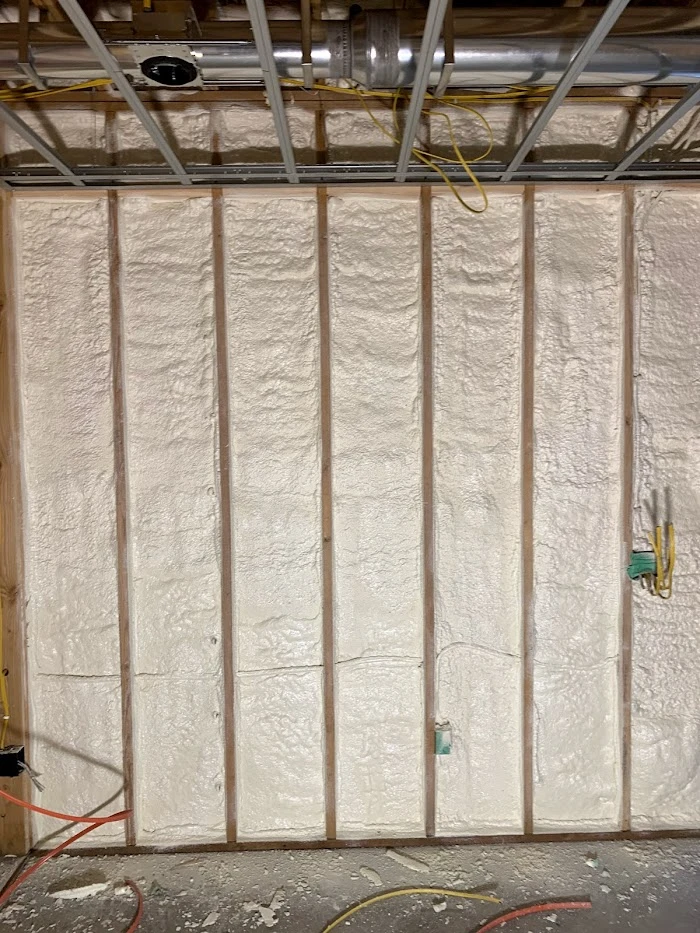
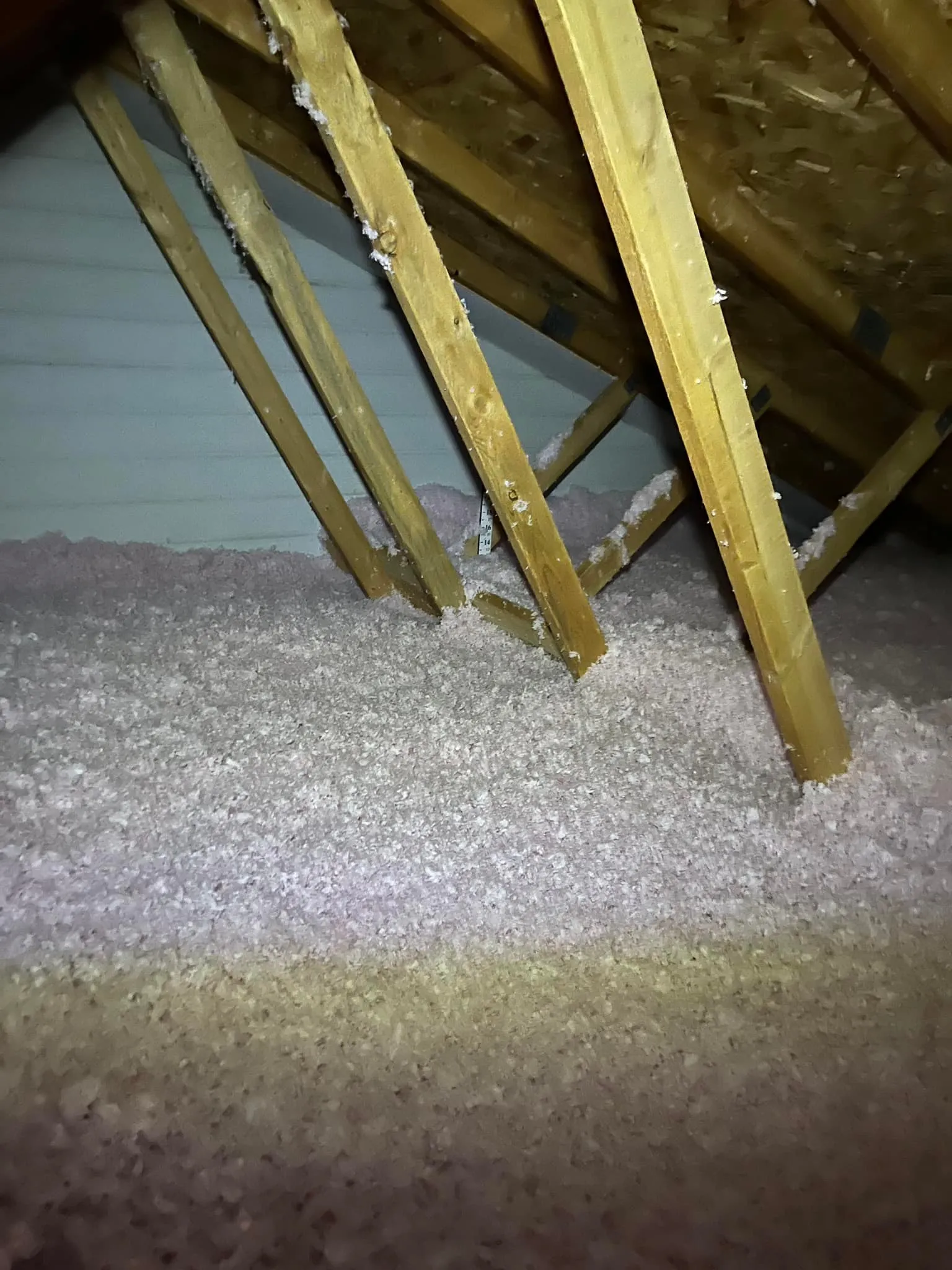
Properly specified spray foam insulation in Lincoln, ID, particularly in the attic and crawl spaces, addresses these common failures. In the attic, installing the correct R-value prevents the stack effect, where heated air rises and escapes through the roof, pulling cold air in through lower levels. In Idaho’s climate, the U.S. Department of Energy recommends R-values between R-49 and R-60 for attic floors in this region, depending on the current level of insulation and heating fuel type, according to the guidance from Energy Star.
Even excellent insulation cannot compensate for large air leaks. When considering improvements, request an air sealing evaluation first. Stopping conditioned air from escaping through gaps around pipes, wires, and fixtures often yields faster comfort results than insulation alone. This is particularly important for older homes, common in the Lincoln area.
The most tangible benefit of effective insulation is its impact on utility bills. Because heating and cooling systems do not have to run constantly to compensate for lost energy, they use less fuel or electricity. Data published by the U.S. Energy Information Administration (EIA) consistently shows that space heating and cooling make up the largest percentage of residential energy use.
By creating a stronger thermal barrier, families can typically reduce their overall heating and cooling energy consumption significantly. The initial investment in materials and installation generally pays for itself over several years through these realized savings, making it a reliable financial decision, not just an expense.
Choosing the right material depends on where it needs to be installed, the budget, and the desired R-value per inch. Each type offers distinct benefits for different parts of a Lincoln home:
| Insulation Type | Typical R-Value per Inch | Best Use Case | Key Advantage |
|---|---|---|---|
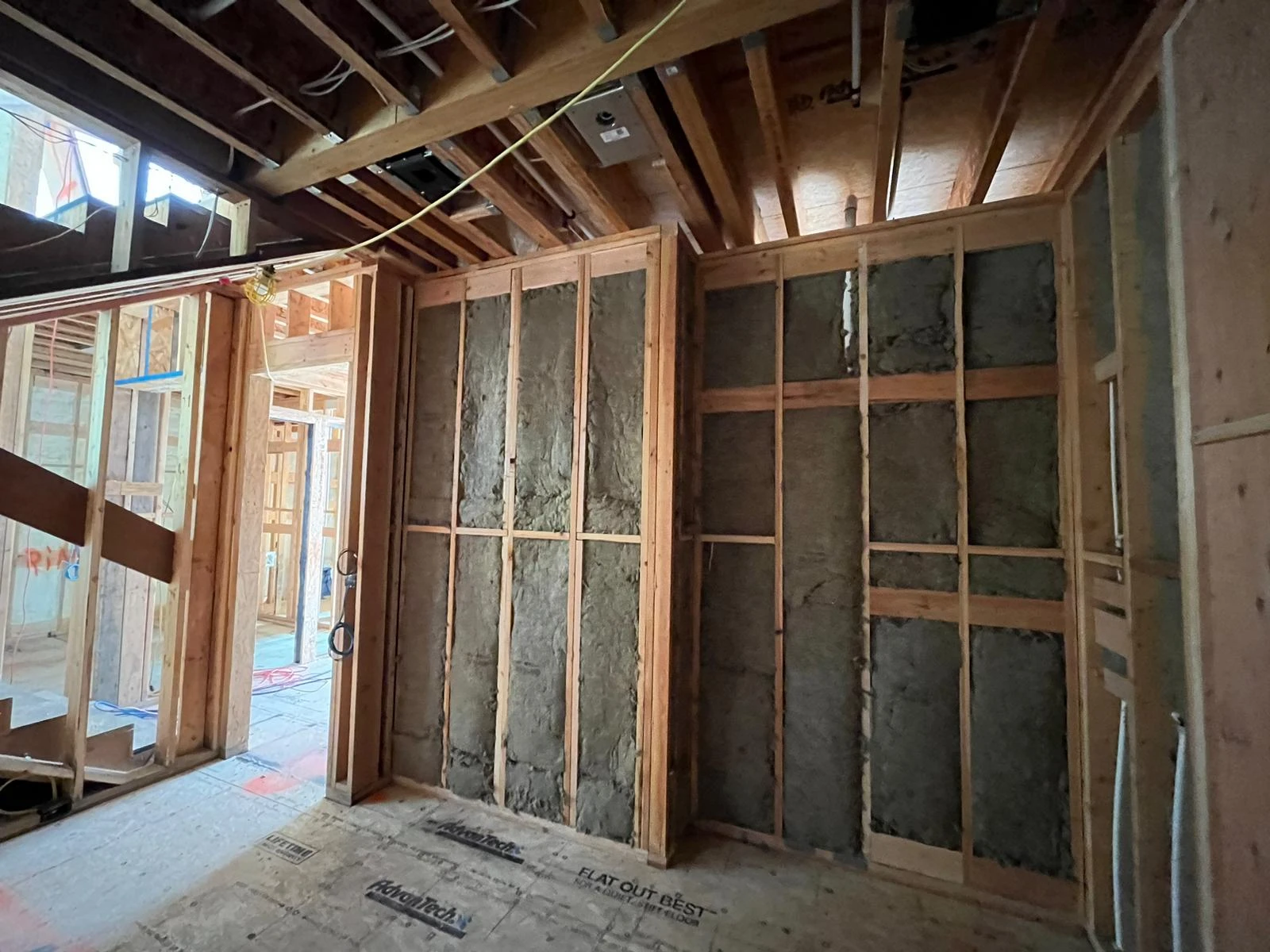
| Fiberglass Batts | R-3.0 to R-4.0 | Walls, Ceilings (New Construction) | Low cost, DIY potential |
| Cellulose (Blown-in) | R-3.2 to R-3.8 | Attics, Existing Wall Cavities | Good air-sealing properties |
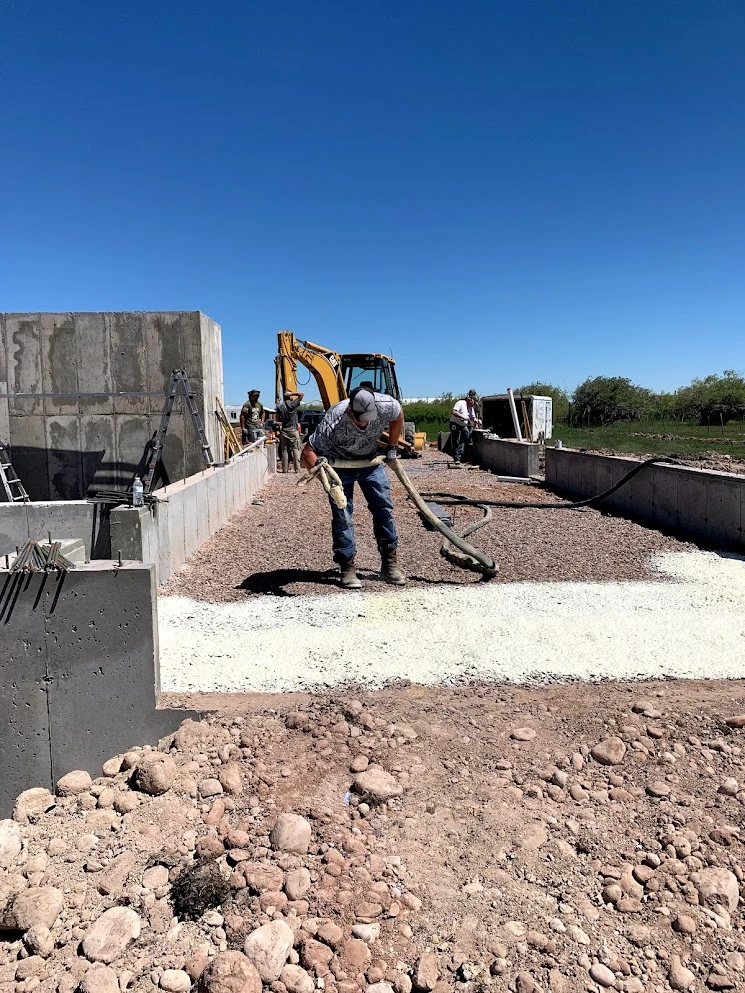
| Closed-Cell Spray Foam | R-6.0 to R-7.0 | Crawl Spaces, Rim Joists, Cathedral Ceilings | Highest R-value, moisture barrier |
Beyond temperature, insulation plays a direct part in the overall health of the home environment. When insulation is paired with proper air sealing, it limits the entry of outside allergens, dust, and moisture vapor. This is critical for families, especially those with allergy sensitivities. Environmental Protection Agency (EPA)
Furthermore, managing moisture is essential for the structural integrity of a home, especially in basements and crawl spaces, which are common sources of humidity and cold in Idaho homes. Spray foam, for example, is often chosen for crawl spaces because it provides a complete air and moisture barrier in addition to thermal protection. This specialized approach prevents condensation, which can lead to mold and rot over time.
Lincoln, ID, typically falls into a high-demand heating zone (Zone 6 or 7, depending on the specific location within the region). Because heating dominates the annual energy profile, prioritizing high R-value insulation in the ceiling and walls that face the most thermal stress yields the greatest return on comfort and investment. Don’t undersize the required R-value just to save on the initial material cost.
Before undertaking any insulation project, families should conduct a thorough evaluation of their current home structure. Installation quality matters more than the material itself. Poorly installed batts with gaps, for example, perform significantly worse than their listed R-value suggests.
Attention must be paid to three main preparatory steps, which we recommend for all Central Idaho homes:
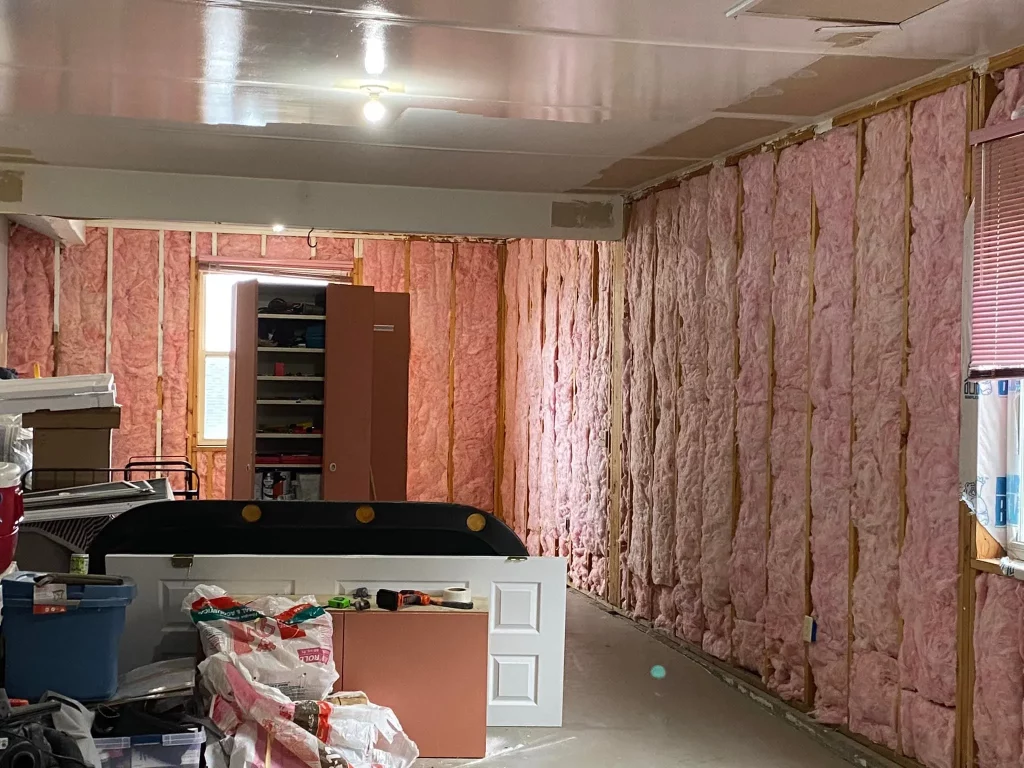
Insulation materials, particularly dense fiberglass batts or blown-in cellulose, are excellent sound dampeners. While thermal insulation is their primary job, the material density absorbs sound waves, reducing exterior noise from traffic and neighbors, which contributes significantly to a quieter, more relaxed home environment.
Mixing insulation types is common and often necessary. For instance, you might use spray foam to air-seal rim joists in the basement and then use fiberglass batts in the walls above grade. What matters most is achieving the required R-value for each area and ensuring materials are compatible and installed without leaving gaps.
Usually, adding insulation alone does not require a standard building permit unless the scope of work involves structural modifications, major electrical work, or altering fire-rated assemblies. However, it is always best practice to check with local county or municipal building departments to confirm specific regulations for larger projects or commercial properties.
Most high-quality insulation materials are designed to last the lifetime of the house. Fiberglass and cellulose generally maintain their R-value indefinitely if they remain dry and undisturbed. Spray foam offers similar permanence and often adds structural integrity to the walls or ceiling it adheres to, ensuring very long-term performance.
Investing in proper home insulation is a choice for stability, quiet, and reliable heating and cooling. It directly addresses the challenges presented by the volatile climate of Lincoln and Central Idaho. By focusing on air sealing first, selecting the correct R-values for critical areas like the attic and crawl space, and choosing appropriate insulation materials in Lincoln, ID, families secure comfort for years to come. Evaluating your home’s unique needs, especially moisture management and existing ventilation, should guide your decision, ensuring you achieve maximum efficiency and peace of mind.
Understanding the specific thermal needs of your Idaho home is the first step toward lasting comfort and savings. High Country Solution works with local families to evaluate existing conditions and determine the optimal insulation strategy tailored to the region’s intense weather patterns. To discuss how insulation can improve your family’s comfort and reduce energy waste, feel free to reach out via email at [email protected] or call us directly at (307) 248-9063.