Insulated vs Uninsulated Walls: How Big Is the Energy Difference?
The energy difference between insulated and uninsulated walls is substantial, typically ranging from 30% to over 50% in heating and…


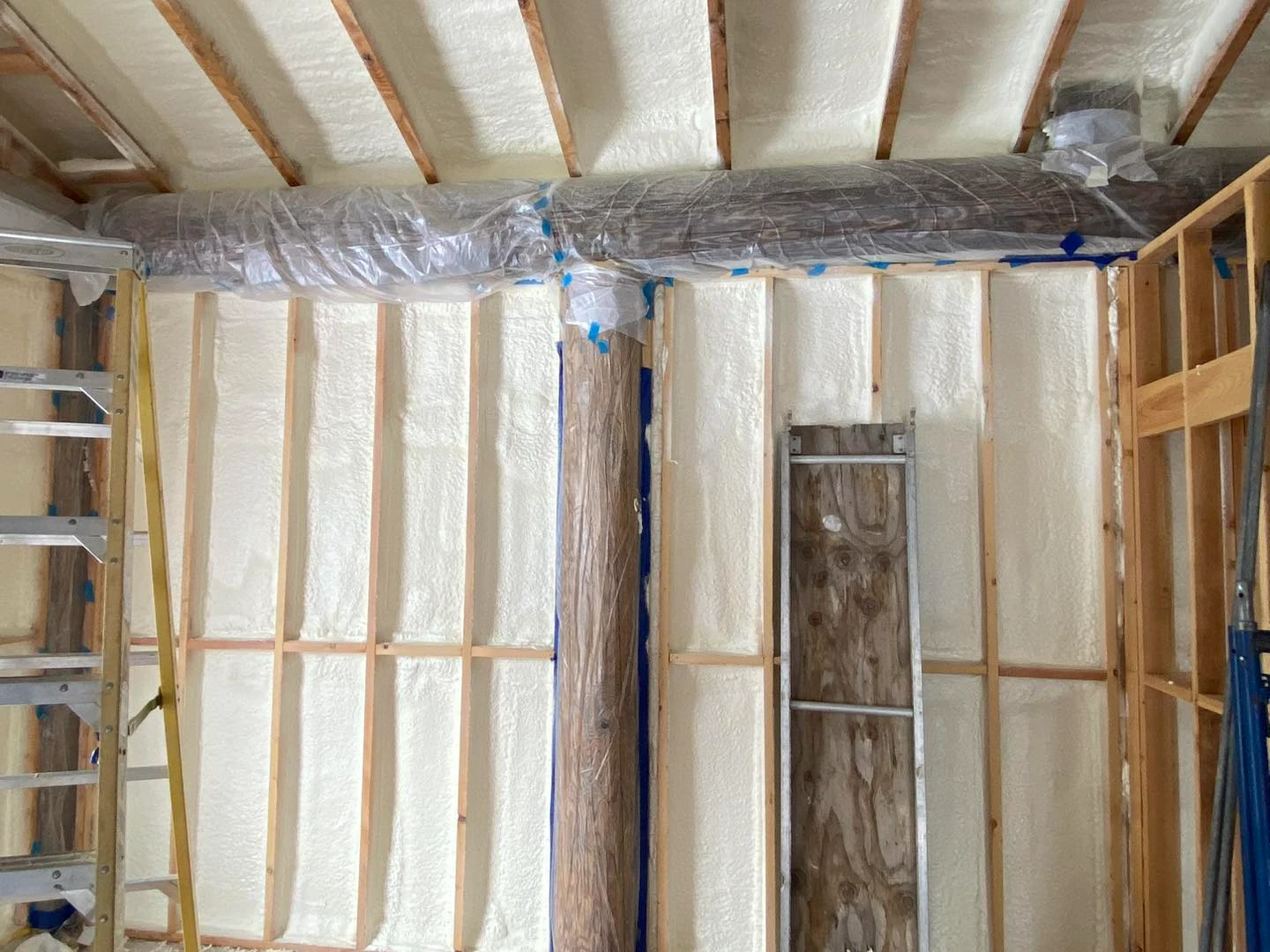
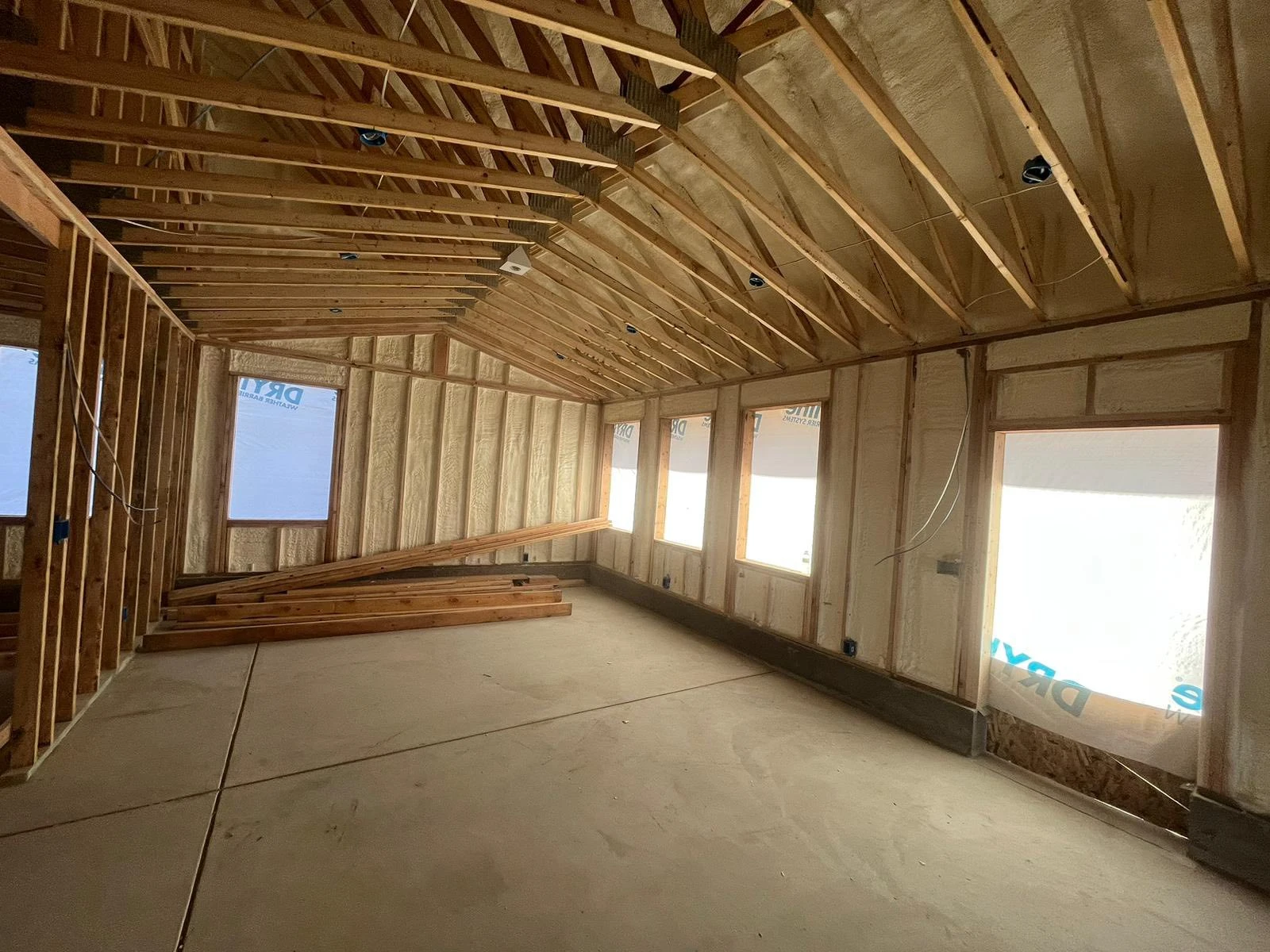
The energy difference between insulated and uninsulated walls is substantial, typically ranging from 30% to over 50% in heating and cooling energy savings, depending on the insulation material, climate zone, and building construction. Research published by ScienceDirect found that when exterior walls are properly insulated, heating consumption drops by more than 50% compared to uninsulated assemblies. Another study documented a 55% overall energy reduction using polyurethane insulation versus an uninsulated reference wall. The U.S. Department of Energy confirms that insulation provides direct resistance to heat flow, which lowers both heating and cooling costs year-round. In short, uninsulated walls act as open channels for thermal transfer, while insulated walls create a controlled thermal barrier that pays for itself over time.
To understand the energy gap between insulated and uninsulated walls, it helps to look at how heat transfer works. Heat moves through building envelopes in three ways: conduction (direct transfer through solid materials), convection (air movement carrying heat), and radiation (heat traveling via electromagnetic waves). Walls without insulation provide almost no resistance to conductive heat transfer. A standard 2×4 wood-frame wall with gypsum board on both sides and no insulation cavity fill carries an R-value of approximately R-3 to R-4. That same wall cavity filled with fiberglass batt insulation jumps to roughly R-13, more than tripling its thermal resistance, highlighting the importance of home insulation solutions in improving energy efficiency.
The University of Illinois explains that U-value predicts the rate of heat transfer through an assembly, while R-value predicts its resistance. The relationship is straightforward: R equals 1 divided by U. A lower U-value means less heat escapes or enters, and a higher R-value means the wall does a better job holding steady indoor temperatures regardless of what is happening outside.
In winter, uninsulated walls allow interior heat to escape rapidly. In summer, they let outdoor heat penetrate inward, forcing HVAC systems to work harder in both directions. This constant thermal exchange is what drives up energy bills and creates uncomfortable indoor temperature swings.
The table below summarizes the key performance differences between insulated and uninsulated wall assemblies based on common residential construction.
| Factor | Uninsulated Wall | Insulated Wall (Fiberglass Batts) | Insulated Wall (Spray Foam) |
|---|---|---|---|
| Approximate R-Value | R-3 to R-4 | R-13 to R-15 | R-14 to R-20+ (varies) |
| Heat Transfer Rate (U-Value) | ~0.25 to 0.33 | ~0.07 to 0.08 | ~0.05 to 0.07 |
| Typical Energy Savings | Baseline (0%) | 30% to 40% reduction | 40% to 55% reduction |
| Air Sealing Capability | None | Minimal (gaps possible) | Excellent (acts as air barrier) |
| Installed Cost (per sq ft) | $0 | $0.75 to $1.50 | $1.50 to $3.50 |
| ROI Timeline | N/A | 3 to 6 years | 4 to 7 years |
| Moisture Resistance | Low (wood cavity open) | Moderate | High (closed-cell foam) |
Research from the Insulation Institute shows that insulation also reduces greenhouse gas emissions tied to building energy use, making the environmental case alongside the financial one. Every uninsulated or under-insulated wall section contributes to wasted energy, and in commercial or multi-unit buildings, that waste compounds quickly.
One of the most important concepts for contractors and property owners to understand is the law of diminishing returns with insulation. As noted in building science discussions, roughly 95% of conductive heat transfer through a wall assembly is stopped by the time the assembly reaches R-20. Going from R-0 to R-13 delivers a massive reduction in heat loss. Going from R-13 to R-20 delivers meaningful but smaller improvements. Pushing beyond R-20 yields increasingly marginal gains per additional dollar spent, making insulation efficiency a key factor when planning upgrades.
This means the single most impactful upgrade for any building with uninsulated walls is getting that first layer of cavity insulation installed. The jump from no insulation to even a basic R-13 fill represents the largest single energy improvement a wall assembly can receive.
Not all insulation delivers the same energy performance. The material choice affects R-value per inch, air sealing, moisture control, and long-term durability. Here is how the most common wall insulation materials stack up.
| Material | R-Value per Inch | Air Barrier | Best Use Case |
|---|---|---|---|
| Fiberglass Batts | 2.9 to 3.8 | No | Standard new construction, open cavities |
| Blown-In Cellulose | 3.1 to 3.8 | Partial | Retrofit in existing wall cavities |
| Closed-Cell Spray Foam | 6.0 to 7.0 | Yes | High-performance builds, moisture-prone areas |
| Open-Cell Spray Foam | 3.5 to 3.7 | Yes | Sound damping, interior wall fills |
| Rigid Foam Board | 3.8 to 6.5 | Depends on install | Continuous exterior insulation, basement walls |
| Mineral Wool | 3.3 to 4.2 | No | Fire-rated assemblies, sound control |
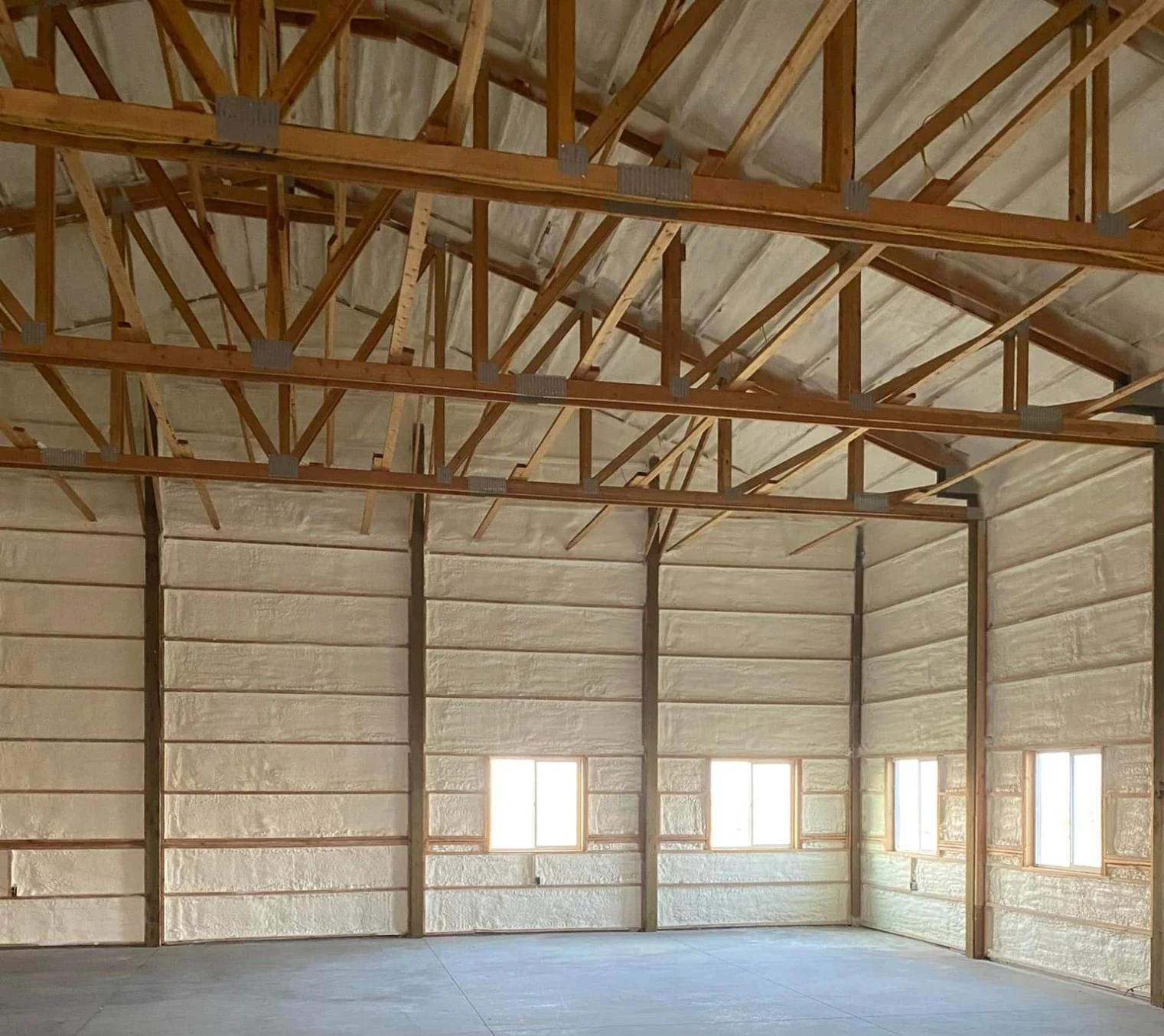
Spray foam delivers the highest R-value per inch and doubles as an air barrier, which is why it produces some of the highest energy savings percentages in field studies. However, fiberglass and cellulose remain the most cost-effective options for large-scale projects where budget is the primary constraint.
The energy difference between insulated and uninsulated walls is not uniform across all geographies. Climate zones dictate heating degree days and cooling degree days, which directly influence how much energy a building loses through its walls.
In cold climates (Climate Zones 5 through 7), uninsulated walls lead to severe heat loss during extended winter months, making wall insulation one of the highest-return investments available. In hot-humid climates (Zones 1 through 2), uninsulated walls allow heat gain that overworks air conditioning systems. In mixed climates (Zones 3 and 4), insulation serves a dual purpose, reducing both heating and cooling loads throughout the year.
The U.S. Department of Energy publishes recommended R-values by climate zone and assembly type. For example, wood-frame walls in Zone 5 are recommended at R-20 to R-21, while Zone 1 calls for R-13. These recommendations reflect the different thermal demands placed on building envelopes in each region.
| Scenario | Property Type | Recommended Option | Estimated Cost |
|---|---|---|---|
| 1960s ranch home with empty 2×4 cavities, Zone 5 | Single-family residential | Blown-in cellulose (retrofit) | $1,200 to $2,500 |
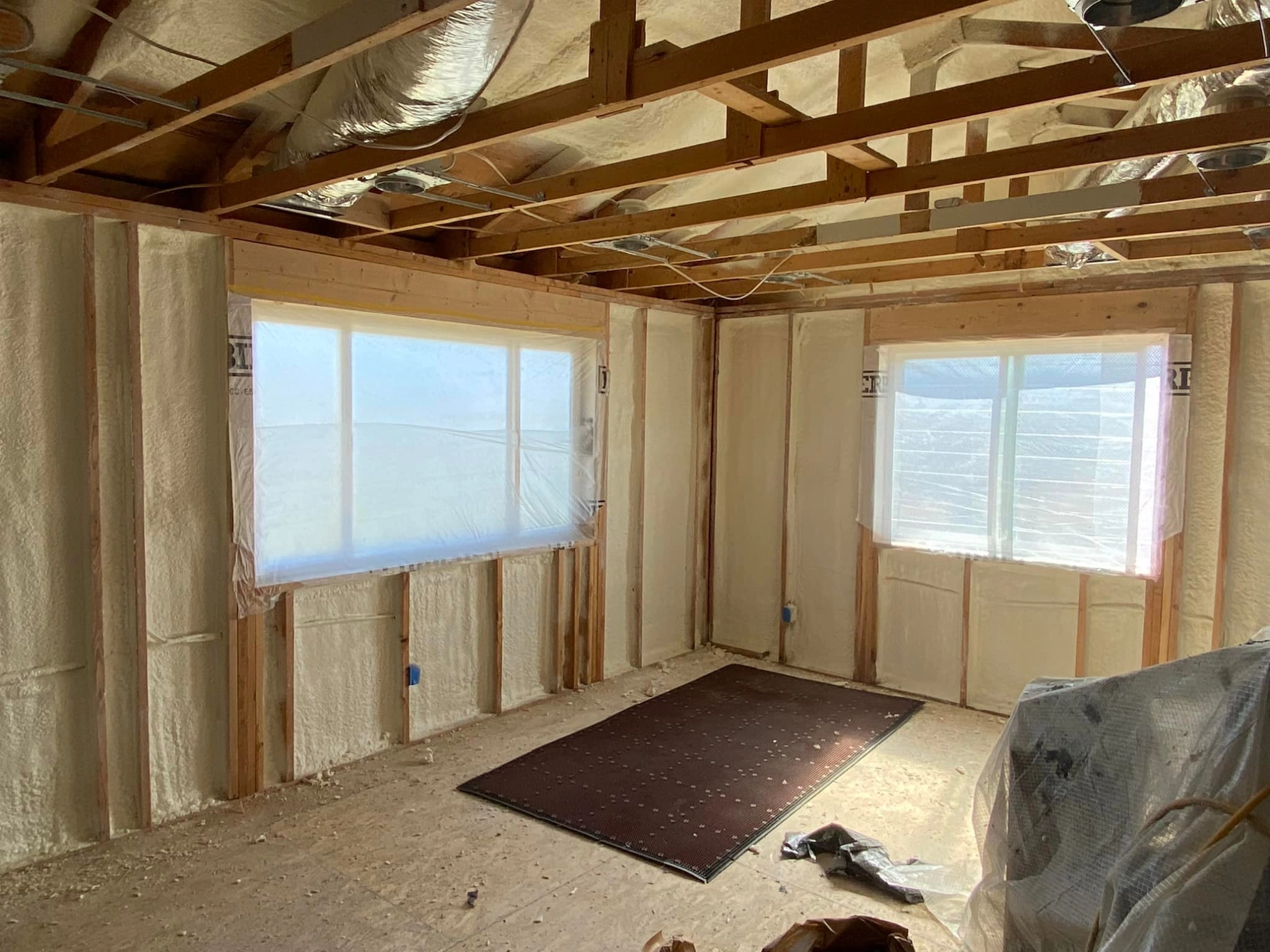
| New construction commercial warehouse, Zone 4 | Commercial / Industrial | Closed-cell spray foam + rigid board | $8,000 to $15,000 |
| Renovated 3-flat apartment building, Zone 6 | Multi-family residential | Fiberglass batts + mineral wool | $4,500 to $9,000 |
| Steel-frame shop with no existing wall fill, Zone 3 | Light commercial | Rigid foam board, continuous | $3,000 to $6,500 |
| Historic masonry building retrofit, Zone 5 | Commercial / Mixed-use | Closed-cell spray foam (interior) | $6,000 to $12,000 |
These figures are estimates based on typical project sizes and material costs. Actual pricing varies by market, labor rates, wall area, and complexity of access.
Several variables determine exactly how large the energy gap will be between insulated and uninsulated walls on any given project.
Wall insulation is a strong fit for:
Wall insulation may NOT be the right priority for:
Bar Chart Suggestion: Side-by-side comparison of annual heating and cooling costs for a 2,000 sq ft home in Climate Zone 5 with uninsulated walls (approximately $3,200/year) versus insulated walls (approximately $1,600 to $2,000/year). Use stacked bars to separate heating and cooling portions.
Line Graph Suggestion: Plot energy savings percentage on the Y-axis against R-value on the X-axis, showing the steep initial drop in energy loss from R-0 to R-13, then the flattening curve from R-13 to R-30. This illustrates the diminishing returns concept visually.
At High Country Solution, we help contractors, builders, and property owners make informed insulation decisions that deliver measurable energy savings. Whether you are evaluating options for a new build, planning a retrofit on an older structure, or comparing material performance for a commercial project, our team provides the expertise and guidance you need to get it right the first time.
Call us at (307) 248-9063 or email [email protected] to discuss your project. We respond quickly because we know your timeline matters.
Savings typically range from 30% to over 50% on heating and cooling costs, depending on your climate zone, insulation material, and the quality of air sealing. Buildings in extreme climates tend to see the highest dollar savings, while mixed-climate buildings see solid percentage improvements across both seasons.
Yes. The Department of Energy recommends a whole-building approach where all major envelope components, including walls, attic, and foundation, meet minimum R-value targets for your climate zone. Uninsulated walls remain a significant source of heat loss and gain even when the attic is well-insulated, and addressing both delivers the best overall performance.
Blown-in cellulose and dense-pack fiberglass are the most common choices for retrofit applications because they can be installed through small holes drilled in the wall, minimizing disruption to interior finishes. Spray foam is another option for higher performance, but it comes at a higher cost and may require more extensive wall access.
Yes. Many insulation materials, particularly mineral wool, fiberglass, and open-cell spray foam, provide meaningful sound attenuation in addition to thermal resistance. This makes wall insulation a dual-benefit upgrade in multi-family construction, office buildouts, and any project where noise reduction between spaces is a priority.
Payback periods generally fall between 3 and 7 years for most residential and light commercial projects, based on current energy costs and average material pricing. Higher-cost materials like spray foam have longer payback periods but deliver greater energy savings and air sealing benefits, which can accelerate the return in buildings with high energy demands.