Why ventilation is a critical partner to your insulation system in Idaho Falls, ID
Ventilation and insulation work as an essential team in Idaho Falls homes, where insulation keeps heat in during winter and…


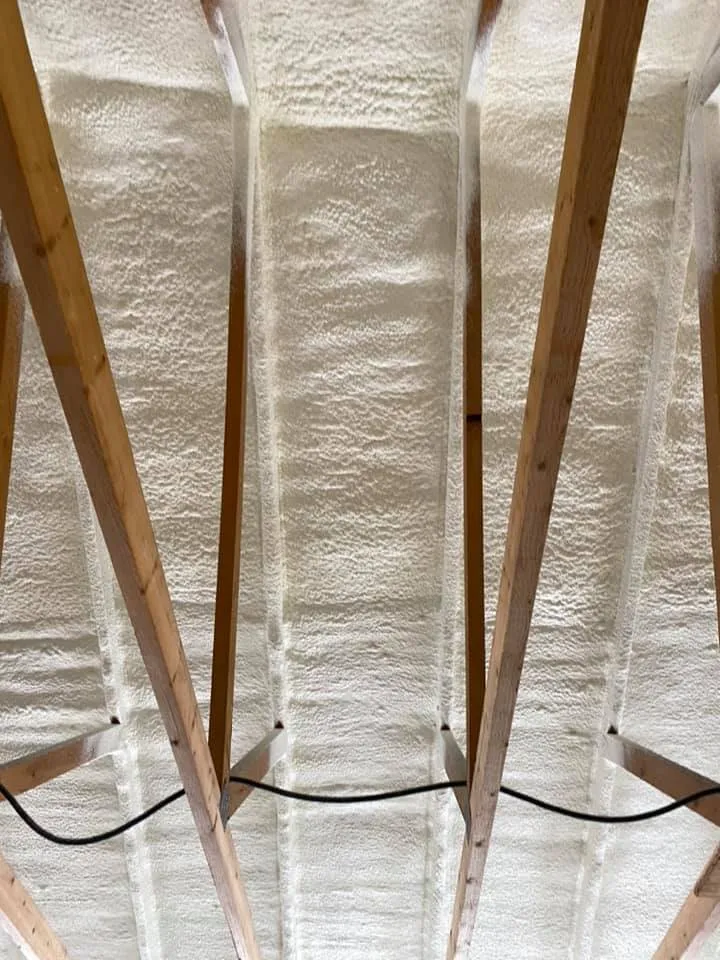
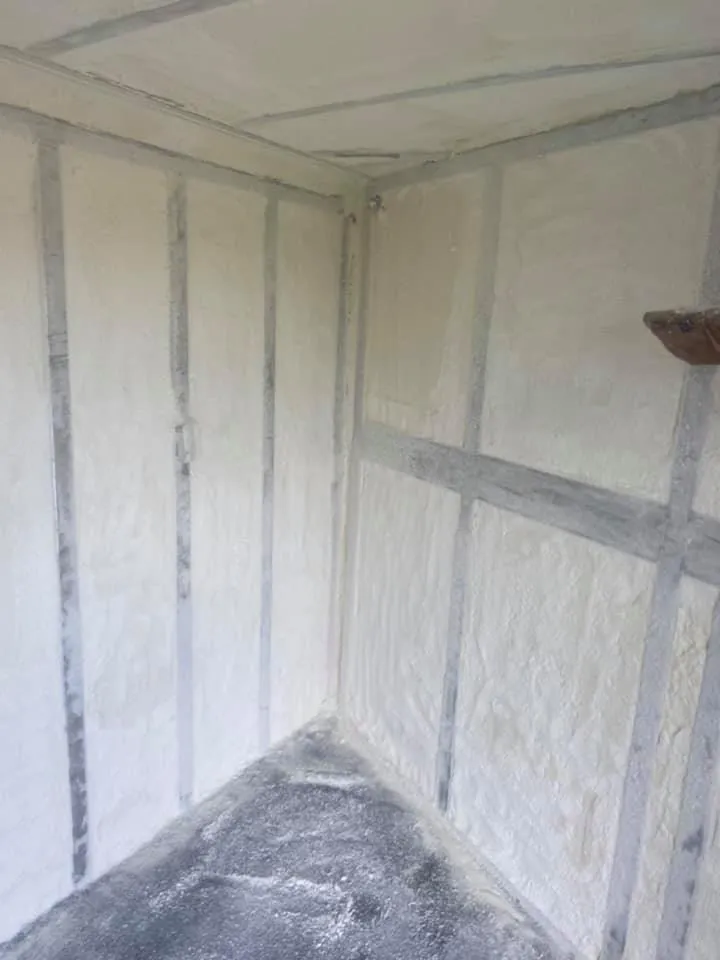
You can make your living space more comfortable with spray foam by creating a seamless thermal envelope that prevents air leakage, stabilizes indoor temperatures, and blocks outdoor noise. Unlike traditional insulation materials, which only slow heat transfer, spray foam expands to fill gaps, cracks, and crevices in walls, attics, and crawl spaces. This expansion creates an airtight seal that stops the “stack effect,” a process in which heated air rises through the roof and pulls in cold air from the bottom of the house.
High Country Solutions observes that many homeowners mistakenly blame their heating and cooling equipment for comfort issues when the actual problem lies in the building shell. By establishing a continuous air barrier, you reduce the workload on your HVAC system and eliminate the drafts that make rooms feel cold in winter or hot in summer. This upgrade fundamentally changes how a house manages energy, resulting in a consistent, quiet, and regulated environment that fiberglass or cellulose cannot match.
Comfort depends on controlling how heat and air move through your home. Traditional fiberglass batts function like a wool sweater. They hold heat effectively, but wind can blow right through them. Spray foam acts as both a sweater and a windbreaker. It provides high thermal resistance (R-value) while simultaneously stopping airflow.
Uncontrolled airflow is the primary enemy of comfort. When air leaks through wall outlets, window frames, and attic floors, it brings outside temperatures and humidity with it. Data from the Department of Energy indicates that air leakage accounts for 25 to 40 percent of the energy used for heating and cooling. Blocking these leaks is the most effective method to maintain a stable indoor climate.
A common frustration in multi-story homes is the temperature difference between floors. You might freeze downstairs while the upstairs bedrooms are sweltering. This stratification occurs because conditioned air leaks out of the structure before it can circulate properly. Spray foam insulation solves this by sealing the perimeter.
When the shell is airtight, the conditioned air stays inside the living space longer. The foam adheres directly to the studs and sheathing, leaving no space for air to bypass the insulation. This results in even temperatures from room to room and floor to floor. Your thermostat reading becomes a true reflection of the temperature throughout the house, rather than just the hallway where the sensor sits.
A comfortable home should be a quiet sanctuary. External noises, such as traffic, lawnmowers, and neighbors, can disrupt sleep and relaxation. The physical properties of spray foam make it an excellent sound barrier. It dampens airborne noise more effectively than loose-fill or batt insulation.
Open-cell spray foam is specifically known for its acoustic benefits. Its lighter, sponge-like density absorbs sound waves, preventing them from traveling through walls and floors. According to Spray Foam Soundproofing, open-cell foam significantly reduces noise transmission, creating a muffled, peaceful interior atmosphere. This is particularly beneficial for homes near busy streets or for insulating interior walls around laundry rooms and bathrooms.
Air leaks do not just let in hot or cold air; they also invite dust, pollen, mold spores, and exhaust fumes. In homes with standard insulation, the attic often serves as a dusty reservoir, pushing particulates down into the living areas through recessed lights and attic hatches.
By sealing the attic roof deck with spray foam, you turn the attic into a semi-conditioned space that effectively blocks these contaminants. The EPA notes that controlling the source of pollutants is the most effective way to improve indoor air quality. An airtight seal prevents outdoor allergens from infiltrating the home, which is a significant comfort factor for individuals with asthma or seasonal allergies.
Selecting the right material is necessary for achieving your specific comfort goals. The two primary types of spray foam, open-cell and closed-cell, offer different advantages depending on the application area.
| Feature | Open-Cell Spray Foam | Closed-Cell Spray Foam |
|---|---|---|
| Structure | Soft, flexible, sponge-like | Rigid, dense, hard |
| Density | 0.5 lbs per cubic foot | 2.0 lbs per cubic foot |
| R-Value (per inch) | R-3.5 to R-3.8 | R-6.0 to R-7.0 |
| Moisture Permeability | Permeable (allows drying) | Impermeable (vapor barrier) |
| Expansion Rate | High (approx. 100x) | Low (approx. 40x) |
| Sound Dampening | Excellent | Good |
| Structural Reinforcement | Low | High (adds racking strength) |
Data adapted from RetroFoam of Michigan
Open-cell foam is ideal for soundproofing interior walls and insulating roof decks in moderate climates. Closed-cell foam is denser and acts as a vapor retarder, making it the better option for basements, crawl spaces, and areas prone to moisture or flooding.
Upgrading to spray foam requires planning. You must evaluate the condition of your home and how the new insulation will interact with existing systems.
Removal of Old Insulation You cannot apply spray foam directly over old fiberglass or cellulose. The substrate must be clean to ensure proper adhesion. This means the project will likely involve a vacuum-out process to remove dusty, dirty insulation from the attic or walls before the new foam is applied.
Ventilation Needs A “tight” house is energy efficient, but it also traps stale air if not managed correctly. When you seal a home with spray foam, natural drafts disappear. You may need to install an Energy Recovery Ventilator (ERV) or a Heat Recovery Ventilator (HRV). These devices swap stale indoor air for fresh outdoor air without losing the heat or cool energy you have paid for.
Long-Term Value vs. Immediate Cost While spray foam requires a higher initial investment than traditional materials, the return comes through monthly savings and equipment longevity. Reports showed that effective spray foam application can lower heating and cooling bills by 20% to 50%. Additionally, because the home holds temperature better, your HVAC equipment runs fewer cycles, reducing wear and tear over time.
Bonus Tip: Check with your local energy provider before starting. Many utility companies offer rebates for air-sealing projects to help offset the investment.
The construction industry is increasingly moving toward high-performance insulation to meet stricter energy codes. A report shows the spray foam market continues to expand as builders and homeowners prioritize energy efficiency and long-term sustainability.
This trend is driven by the desire for “passive” comfort. Homeowners want houses that stay cool in summer without running the AC at full blast. They want warm floors in winter without cranking the heat. Spray foam delivers this passive performance by physically altering the structure’s thermal dynamics.
No, it manages moisture. Closed-cell foam acts as a vapor barrier, preventing warm, humid air from condensing on cold surfaces. Open-cell foam is breathable, allowing any moisture that gets in to dry out rather than getting trapped and causing rot.
No. While small “froth kits” are sold for tiny gaps, insulating a room or attic requires expensive, high-pressure equipment. The chemicals must be heated and mixed at precise ratios. DIY attempts often result in poor foam quality, bad odors, and ineffective insulation.
Spray foam is an indefinite material. It does not settle, sag, or degrade like fiberglass. Unless the building is physically damaged, the insulation will last for the life of the structure.
Yes. Once the foam has cured (typically within 24 hours), it is inert and non-toxic. It does not release gases or particles into the home. It actually improves safety by preventing the entry of outdoor pollutants.
“Too airtight” is a myth. You want the house to be airtight so you can control the ventilation mechanically. It is far better to rely on a filtered ventilation system than to rely on random leaks through dirty wall cavities for fresh air.
Improving the comfort of your living space requires addressing the root cause of drafts and temperature fluctuations: air leakage. Spray foam offers a comprehensive solution that seals the building envelope, stabilizes indoor temperatures, and dampens outside noise. By choosing this advanced insulation method, you create a healthier, quieter, and more energy-efficient environment that actively works to keep you comfortable year-round.
To determine if spray foam is the right solution for your home, contact High Country Solutions. The team is ready to assess your insulation needs and help you achieve a more comfortable living environment.