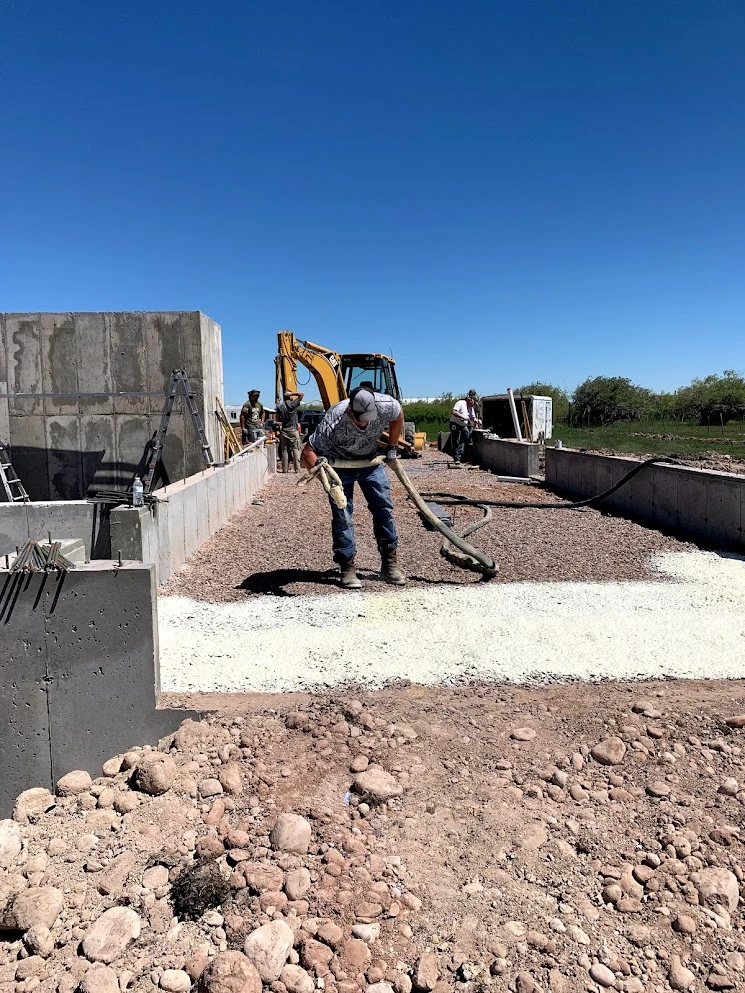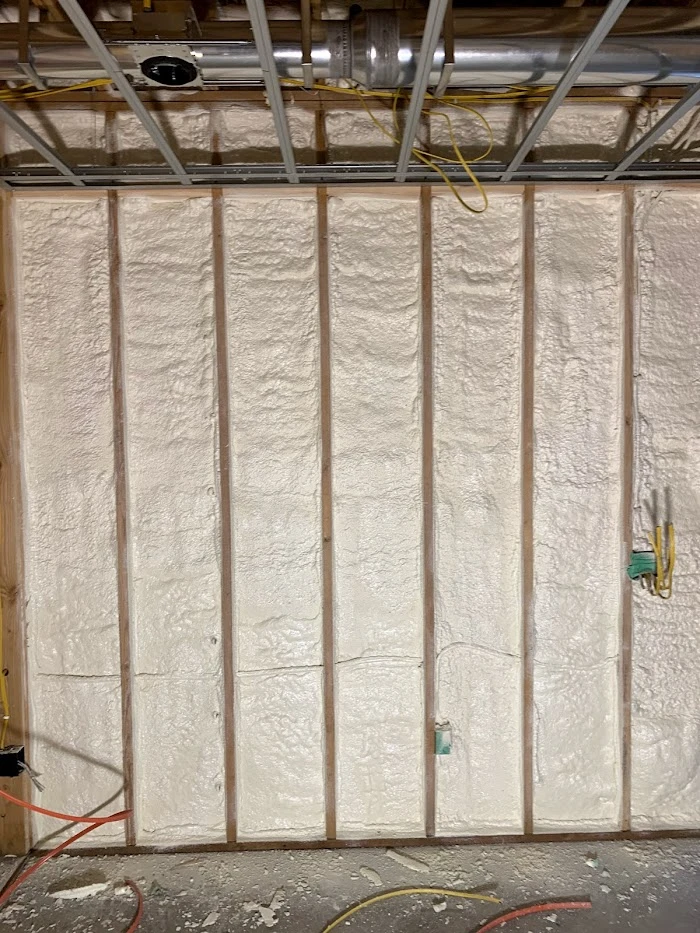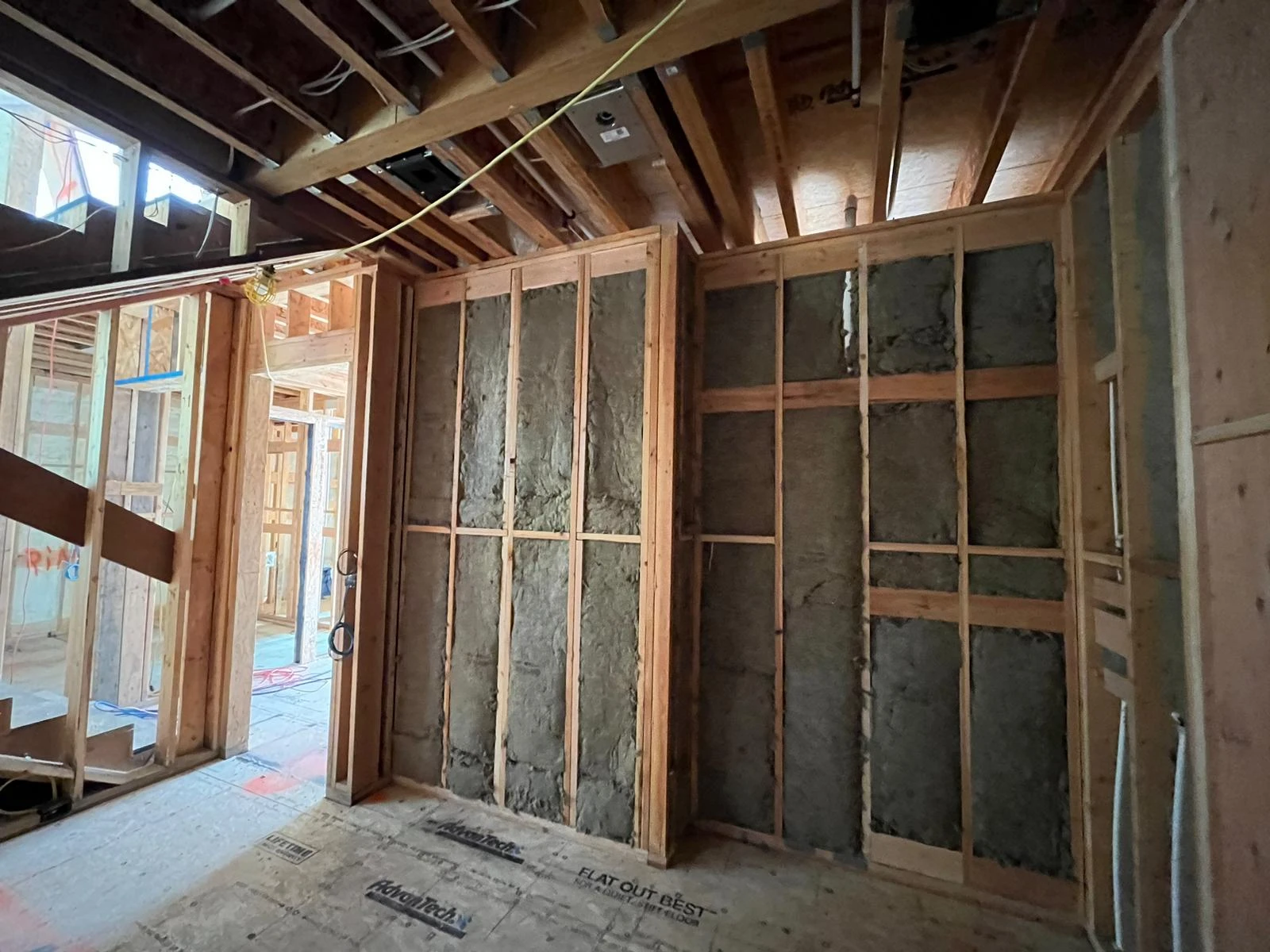
Why ventilation is a critical partner to your insulation system in Idaho Falls, ID
Ventilation and insulation work as an essential team in Idaho Falls homes, where insulation keeps heat in during winter and…


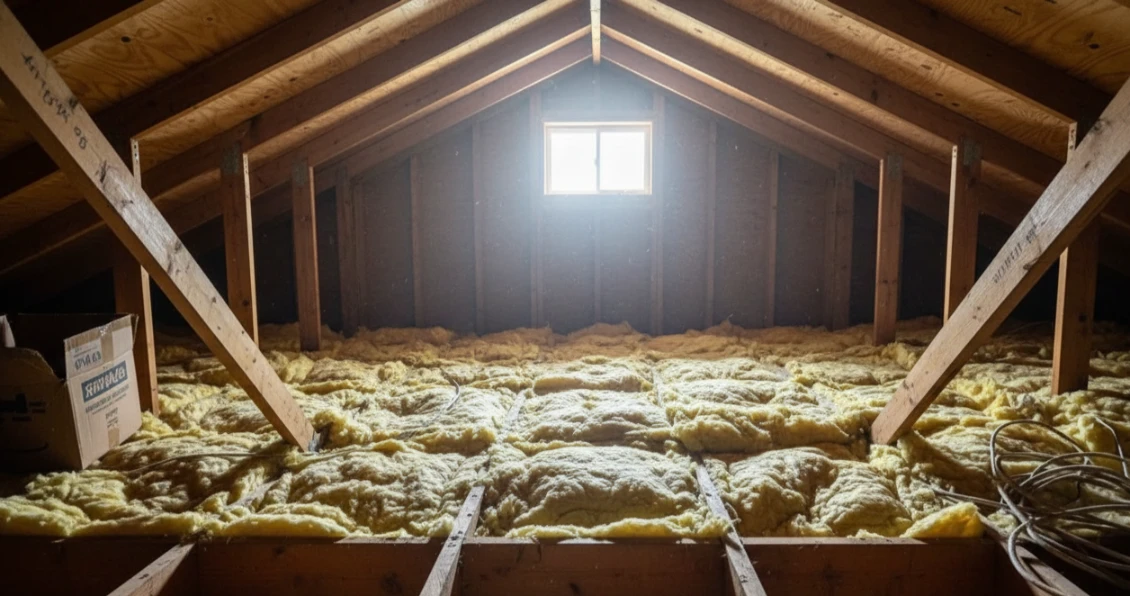
Your home feels drafty with fiberglass insulation primarily because fiberglass doesn’t stop air movement – it only slows heat transfer. The insulation may be present, but air still finds ways through gaps, around electrical boxes, and at framing connections. Fiberglass also settles over time, losing up to 20% of its effective R-value, creating cold spots and air pathways that you feel as drafts. The presence of insulation doesn’t guarantee an air-tight home, which is what actually eliminates drafts.
This article explains why fiberglass insulation alone can’t stop drafts, the specific problems that develop over time, and what actually creates a comfortable, draft-free home. With years of experience diagnosing insulation performance issues in hundreds of homes, the information here comes from real-world observations of what works and what doesn’t in home insulation systems.
Fiberglass insulation works by trapping air in tiny glass fibers, creating pockets that slow down heat movement through walls, attics, and floors. The R-value rating measures this resistance to heat transfer, not air movement. This distinction matters because drafts aren’t just about heat loss – they’re about air movement that you can feel on your skin.
Think of fiberglass insulation like a wool sweater. It keeps you warm by trapping body heat, but wind can still pass through the fibers, making you feel chilled. Your home needs both insulation (the sweater) and air sealing (the windbreaker) to eliminate drafts completely.
Installation quality dramatically affects fiberglass performance. Gaps around electrical boxes, plumbing penetrations, and framing connections become highways for air movement. When insulation is compressed into wall cavities, it loses its insulating ability – compressed fiberglass can lose up to 50% of its rated R-value.
Poorly fitted batts leave voids at the edges and corners. These gaps might seem small, but air pressure differences between inside and outside create constant air movement through these openings. During winter, warm air rises and escapes through ceiling penetrations, pulling cold air in through these gaps at the lower levels of your home.
Air sealing and insulation serve different but complementary purposes. Air sealing blocks the movement of air through your building envelope, while insulation slows heat transfer. Without proper air sealing, even the best insulation can’t stop drafts.
The most effective approach addresses both issues systematically. According to research from the Department of Energy, proper air sealing can reduce heating and cooling costs by an average of 15% nationwide. In colder climates like Wyoming, savings can reach 20% or more due to the greater temperature differences between inside and outside.
Bonus Tip: Check behind electrical outlet plates on exterior walls. These are often poorly sealed during construction and can be significant sources of drafts. Use foam gaskets behind outlet covers to seal these common air leaks.
Climate conditions impact how insulation performs. In areas with wide temperature swings, the constant expansion and contraction of building materials create new air pathways over time. Humidity levels also affect fiberglass – when insulation gets damp, it loses effectiveness and can even promote mold growth.
Regional Guidance: In high-altitude regions such as the Rocky Mountains, the thinner air and greater diurnal temperature swings create more pronounced pressure differences. This means air sealing becomes even more critical for comfort and energy efficiency in these areas.
Wind exposure matters too. Homes on open lots or hillsides experience more air pressure against their exterior surfaces, forcing air through any available opening. The same house in a protected wooded area might feel comfortable with identical insulation, simply because the wind forces are reduced.
Fiberglass insulation doesn’t maintain its initial performance forever. Several factors cause R-value loss:
Studies from Building Science Corporation show that poorly installed fiberglass can lose 20-30% of its effective R-value within the first few years. This degradation happens gradually, so homeowners might not notice the increasing discomfort until utility bills start climbing.
| Insulation Type | Air Sealing Ability | Typical R-value per inch | Settling Over Time | Moisture Resistance |
|---|---|---|---|---|
| Fiberglass Batts | Poor | 2.9-3.8 | Moderate | Good |
| Cellulose | Good | 3.2-3.8 | Minimal | Moderate |
| Spray Foam | Excellent | 6.0-7.0 | None | Excellent |
| Mineral Wool | Moderate | 3.0-3.3 | Minimal | Excellent |
| Rigid Foam | Good | 4.0-6.5 | None | Excellent |
Bonus Tip: When upgrading insulation, consider a hybrid approach. Use spray foam for critical air sealing around windows, doors, and penetrations, then fill larger cavities with more cost-effective materials like cellulose or dense-packed fiberglass.
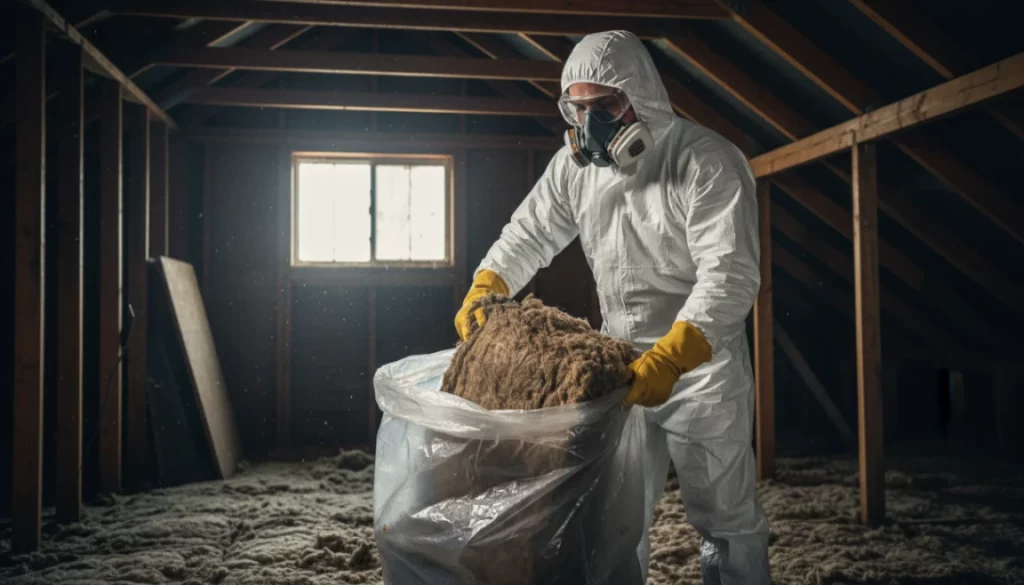
Before investing in insulation upgrades, conduct a thorough assessment. Professional energy audits use tools like blower door tests to measure exactly how much air leaks from your home.
Consider your home’s specific problem areas. If drafts are worst around windows and doors, targeted air sealing might solve most issues. If you have cold spots throughout entire walls, insulation replacement makes more sense. Climate plays a role, too; homes in extreme climates benefit more from comprehensive solutions.
Market Data: The North American Insulation Manufacturers Association reports that homeowners can save an average of 15% on heating and cooling costs by adding insulation and air sealing. In older homes with little insulation, savings can exceed 40%.
Think about the disruption involved. Some solutions require removing drywall, while others can be installed from the exterior or through small holes. Your timeline, budget, and tolerance for construction mess all factor into the best approach for your situation.
Drafty homes with fiberglass insulation suffer from air movement rather than inadequate heat resistance. The solution requires addressing both issues systematically. Air sealing should always come first, followed by proper insulation installation. The most effective solutions combine both approaches based on your specific home’s needs and climate conditions.
Evaluate your home’s particular problems before making improvements. Professional energy audits can identify the most cost-effective solutions. Consider the disruption and cost of different approaches, remembering that comprehensive solutions provide the best long-term comfort and energy savings.
If drafts are making your home uncomfortable despite having fiberglass insulation, contact High Country Solutions for a thorough assessment. Professional energy audits identify specific problem areas and prioritize solutions for maximum comfort improvement. Reach out at [email protected] or call (307) 248-9063 to schedule an evaluation of your home’s insulation and air sealing needs. High Country Solutions provides detailed analysis and practical recommendations based on your specific situation and local climate conditions.
No. Increasing fiberglass thickness improves heat resistance but doesn’t stop air movement. Drafts require air sealing, not just more insulation.
Cold floors typically indicate poor insulation and air sealing in the crawlspace or basement. Ground temperatures stay around 50-55 degrees year-round, and this cold transfers through poorly insulated floor systems.
Yes, but it won’t solve draft problems. Layering insulation improves R-value but doesn’t address the air movement that causes drafts. Air seal first, then add insulation.
Nighttime brings lower temperatures, creating greater temperature differences between inside and outside. This increases air pressure differences, making air movement through gaps more noticeable.
Only partially. New windows improve, but most air leaks come from gaps around windows, plumbing penetrations, electrical boxes, and foundation connections. Air sealing these areas often provides better results than window replacement at a lower cost.