Why ventilation is a critical partner to your insulation system in Idaho Falls, ID
Ventilation and insulation work as an essential team in Idaho Falls homes, where insulation keeps heat in during winter and…


Your home likely needs professional air sealing if you notice drafts, inconsistent temperatures between rooms, unusually high energy bills, or visible gaps around windows and doors. A professional assessment is necessary when DIY methods fail to resolve these issues or when your home’s energy performance doesn’t improve after basic sealing. The decision ultimately depends on balancing the cost of professional services against potential energy savings and comfort improvements.
This guide provides comprehensive details for homeowners to evaluate their specific situation, understand assessment techniques, and make informed decisions about air sealing investments. The information comes from extensive experience with home energy efficiency projects and building performance standards.
Homes communicate their air sealing needs through several obvious indicators. Drafty areas near windows, doors, electrical outlets, and baseboards suggest significant air leakage. If you can feel air movement when holding your hand near these locations, your home is losing conditioned air and drawing in outside air.
Temperature inconsistencies between rooms often point to air distribution problems stemming from leaks. Bedrooms that stay hot in summer or cold in winter while other rooms feel comfortable indicate poor air barrier performance. These temperature differentials force HVAC systems to work harder, increasing energy consumption.
High energy bills serve as another warning sign. A report from the U.S. Department of Energy shows that air sealing can reduce energy costs by 10-20% on average. If your monthly utility bills exceed those of similar-sized homes in your area, air leakage might be the culprit.
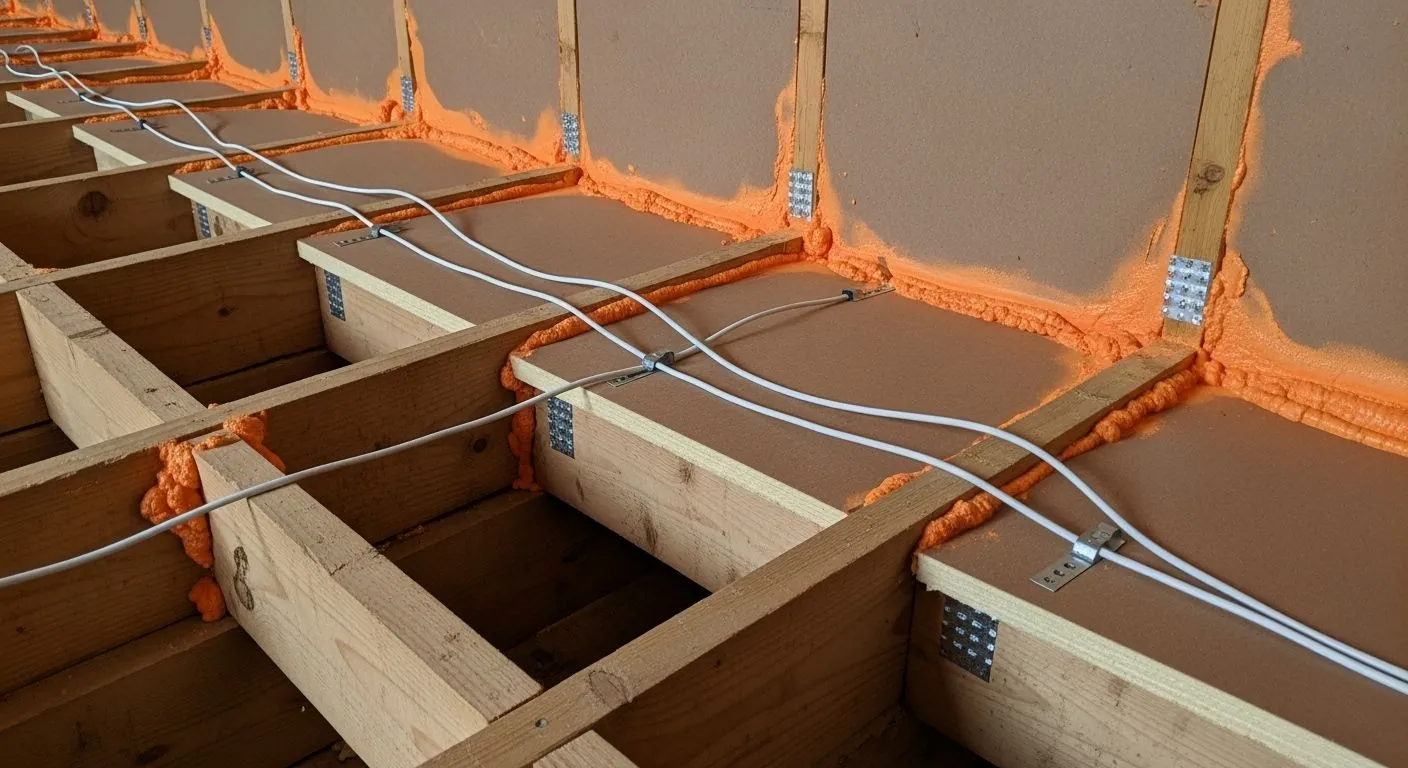
Visible gaps and cracks around building penetrations require attention. Look carefully where utility lines enter your home, around recessed lighting, and at rim joists in basements or crawl spaces. These common problem areas often need professional sealing techniques beyond basic caulk and weatherstripping.
Before calling professionals, homeowners can perform basic assessments to gauge air sealing needs. The blower door test remains the gold standard for measuring air leakage, but simplified versions exist for preliminary evaluation.
One effective method involves using an incense stick or smoke pencil on windy days. Hold it near potential leak points while watching the smoke movement. Any deviation indicates air flow. Test around windows, doors, electrical outlets, plumbing penetrations, and attic access points.
The building pressurization test offers another approach. Close all windows and doors, turn off all combustion appliances, then run bathroom and kitchen exhaust fans. Walk through your home feeling for drafts, which become more noticeable under these conditions.
Visual inspection often reveals obvious issues. Look for daylight gaps around exterior doors, stained insulation indicating air pathways, and spider webs (they form where air flows most freely). Document all findings with photos and notes to create a priority list for addressing problems.
Certain situations warrant professional air sealing services beyond DIY capabilities. Complex building structures with multiple penetration points, cathedral ceilings, or finished basements often require specialized equipment and expertise.
Professional air sealing becomes essential when energy bills remain high after DIY efforts. A thorough professional assessment typically includes blower door testing, infrared thermography, and combustion safety testing. These diagnostic tools identify hidden problems that escape casual observation.
Older homes present particular challenges that benefit from professional intervention. Houses built before energy codes existed often have numerous pathways for air leakage throughout the building envelope. Professionals understand how to address these without creating moisture problems or ventilation issues.
Homes with combustion appliances need professional air sealing to maintain safety. Proper sealing requires testing to ensure adequate ventilation for furnaces, water heaters, and fireplaces. Professionals assess depressurization risks that could lead to backdrafting or carbon monoxide intrusion.
| Factor | DIY Air Sealing | Professional Air Sealing |
|---|---|---|
| Effectiveness | 30-50% reduction in air leakage | 60-80% reduction in air leakage |
| Time Investment | 2-3 weekends | 1-2 days of professional work |
| Tools Required | Basic hand tools, caulk, foam | Blower door, infrared camera, specialized materials |
| Hidden Leaks | Often missed | Identified through diagnostic testing |
| Safety Risks | Low to moderate | Professional handles combustion safety |
Climate zones significantly influence air sealing priorities and methods. Cold climates require different approaches than hot-humid regions. Understanding your regional needs helps determine whether professional services provide better value.
In cold climates like Wyoming, preventing warm air escape remains paramount. Focus areas include rim joists, attic bypasses, and upper-level penetrations where stack effect drives heat loss. Data from the ENERGY STAR program shows that proper air sealing in cold regions can reduce heating costs by up to 15%.
Hot-humid climates face different challenges. Here, preventing moisture intrusion becomes as important as temperature control. Professional air sealing in these regions often involves specialized vapor barrier management to prevent condensation within wall assemblies.
Mixed climates experience both heating and cooling demands, requiring comprehensive air sealing strategies. Professional services become valuable in these regions because they address seasonal concerns through holistic building envelope improvements.
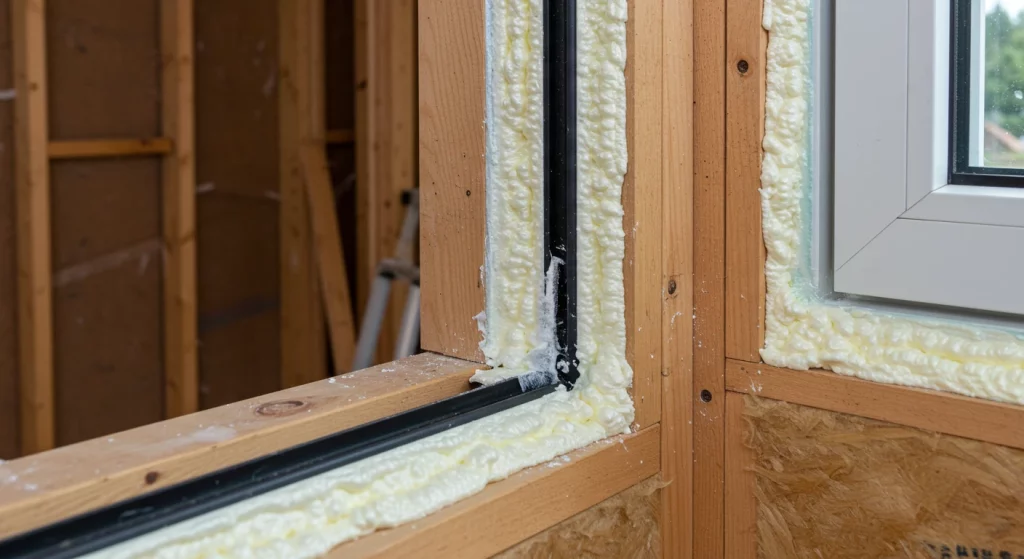
Several factors influence the decision to pursue professional air-sealing services. Start by evaluating your home’s age, construction type, and current condition. Newer homes generally need less extensive air sealing than older properties.
Assess your DIY skills honestly. While basic sealing tasks suit many homeowners, complex situations involving combustion appliances, difficult-to-access areas, or extensive leakage patterns often justify professional costs.
Calculate potential return on investment. According to Home Energy Saver, a Lawrence Berkeley National Laboratory tool, professional air sealing typically pays for itself within 3-5 years through energy savings. However, this varies based on local climate, energy costs, and current air leakage rates.
Consider your comfort priorities. If temperature variations between rooms bother you more than energy costs, professional air sealing might provide value regardless of pure financial calculations. Comfort improvements often justify the expense for many homeowners.
Plan related improvements strategically. Air sealing works best when combined with insulation upgrades and HVAC system optimization. Professionals often recommend comprehensive solutions rather than isolated air sealing treatments.
Seal from the inside out when working on exterior walls. This approach prevents moisture from being trapped between vapor barriers and enables proper detection of leakage pathways during the sealing process.
Focus on the biggest leaks first for maximum impact. The top 25% of air leaks typically account for 75% of total air leakage. Professional testing helps identify these priority areas efficiently.
Document before and after conditions with blower door test results. This verification step provides concrete evidence of improvements and helps calculate actual energy savings over time.
Consider your ventilation strategy during air sealing projects. Modern homes benefit from mechanical ventilation systems that provide fresh air without energy penalties associated with uncontrolled air leakage.
Evaluating your home’s air-sealing needs starts with recognizing obvious signs, such as drafts, temperature variations, and high energy bills. DIY assessments can identify simple problems, but professional services become valuable for complex situations, persistent issues, or homes requiring comprehensive improvements.
The decision between DIY and professional approaches depends on your home’s specific conditions, your capabilities, and your priorities for energy savings versus comfort. Consider the long-term value of reduced energy costs against upfront expenses, and remember that proper air sealing provides benefits beyond pure financial calculations.
Most homeowners find the greatest success by starting with DIY efforts for obvious problems, then calling professionals for comprehensive testing and treatment of remaining issues. This hybrid approach maximizes value while controlling costs.
High Country Solution provides comprehensive air sealing assessments using industry-standard diagnostic equipment. Our team evaluates your home’s specific needs and recommends targeted solutions based on building science principles. To schedule an evaluation or discuss your concerns, call (307) 248-9063 or email [email protected]. Our professional services help homeowners achieve optimal comfort and energy efficiency through properly sealed building envelopes.
Fall and spring offer optimal conditions for air sealing work. Moderate temperatures allow comfortable working conditions, and testing can occur without extreme weather interfering with measurements. However, urgent needs can be addressed year-round with appropriate precautions.
Properly installed air sealing materials typically last 20-30 years or more. Caulk joints may need periodic touch-up, but foam sealants and specialized gaskets maintain effectiveness for decades. Professional installations often include longer warranties than DIY approaches.
Yes, reducing air leakage also decreases sound transmission. Sealing gaps around windows, doors, and electrical openings prevents noise pathways, creating a quieter indoor environment. This secondary benefit often surprises homeowners after professional air sealing projects.
Professional air sealing combined with proper ventilation significantly improves indoor air quality. By preventing uncontrolled air infiltration through dusty attics and crawl spaces, sealed homes rely on filtered ventilation air, reducing allergens and pollutants indoors.
Most air sealing projects don’t require permits unless they involve major structural modifications. However, areas with strict energy codes might require documentation of improvements. Professional contractors typically handle permit requirements when applicable.