Why ventilation is a critical partner to your insulation system in Idaho Falls, ID
Ventilation and insulation work as an essential team in Idaho Falls homes, where insulation keeps heat in during winter and…


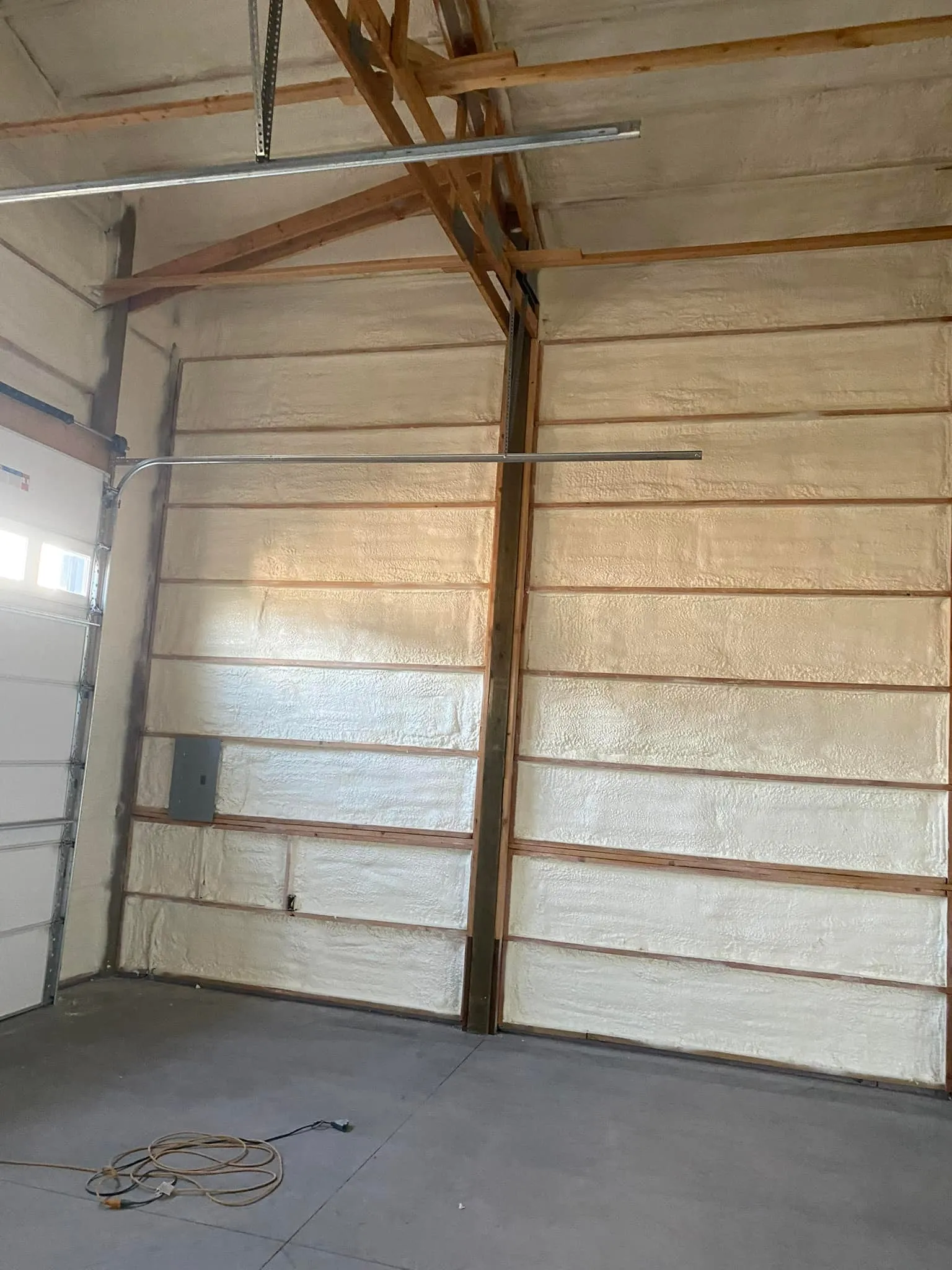
Closed-cell spray polyurethane foam provides superior structural support primarily by adding significant racking resistance and shear strength to wall and roof assemblies. Unlike traditional insulation methods that merely fill a cavity, closed-cell foam chemically bonds to the substrate, creating a solid, dense structure that effectively reinforces the building envelope. This ability to create a rigid, monolithic structure reduces movement within the building shell, making it crucial for longevity and safety, especially in demanding locations like Pinedale, Wyoming, which faces high wind loads and heavy, sustained snow burdens characteristic of high-altitude mountain environments.
Understanding the physical mechanics behind this reinforcement explains why closed-cell foam is the preferred choice for demanding climates like Sublette County, where insulating properties must combine with physical strength.
The structural advantage of closed-cell foam in Pinedale, WY hinges on two factors: its chemical adhesion to the substrate and its resulting high density. When closed-cell foam is sprayed, it expands rapidly and then cures into a high-density plastic. This density is the direct source of its structural capability. Standard closed-cell foam often has a density range between 1.75 and 2.25 pounds per cubic foot (pcf). This rigid foam adheres aggressively to wood studs, metal framing, sheathing, and sub-roofing materials. This adhesion effectively glues the entire assembly together, preventing movement that wood joints might otherwise permit.
Shear strength refers to the material’s resistance to forces parallel to its surface, like those created by strong winds pushing on a wall. Racking resistance is the ability of a wall assembly to resist deforming into a parallelogram shape, which is a common failure mode during lateral loading events. By bonding the sheathing to the framing, the foam prevents the wall from racking, distributing the stress evenly across the entire surface rather than concentrating it at connection points. Studies reported by BASF Building Science confirm that structural components treated with closed-cell spray foam show significant increases in both shear and racking resistance compared to uninsulated or conventionally insulated walls.
The density of closed-cell foam also means it has high compressive strength. This is crucial in roof applications, where it supports the sheathing and transfers the load of heavy snow directly to the rafters and trusses without bowing or compressing significantly. This is especially important in a region like Pinedale, where intense snow loads demand high compressive strength to maintain the roof’s intended geometry over many seasons. Insulation materials that compress or settle over time lose their intended load-bearing qualities, but closed-cell foam maintains its form and supportive capability indefinitely.
Bonus Tip 1: Cold Weather Application. For maximum adhesion and structural performance in Wyoming’s cold months, ensure the substrate temperature is within the manufacturer’s recommended range before application. Poor adhesion resulting from improper temperatures compromises the structural benefits.
It is helpful to compare closed-cell foam’s physical attributes against other common insulation materials to understand its unique role in structural support. Materials like fiberglass or cellulose are purely thermal barriers; they offer virtually no structural support and, if they become wet, can actually contribute to structural deterioration by retaining moisture.
Closed-cell foam, however, offers three distinct advantages: insulation, air sealing, and physical reinforcement. This multi-functional performance streamlines construction and improves overall building durability. Data from the Department of Energy shows that achieving comparable structural and air-sealing characteristics using conventional materials often requires multiple separate products, adding complexity and potential failure points.
The following table illustrates key differences in how closed-cell foam and other common types of insulation contribute to a building’s structure and performance.
| Feature | Closed-Cell Spray Foam | Open Cell Spray Foam | Fiberglass Batts | Key Structural Contribution |
|---|---|---|---|---|
| Density (pcf) | 1.75 – 2.25 | 0.4 – 0.7 | 0.5 – 1.0 | High shear and racking resistance |
| R-Value per inch | R-6.0 to R-7.0 | R-3.5 to R-3.7 | R-3.0 to R-4.0 | Thermal only |
| Air Barrier Performance | Excellent (Seals perfectly) | Moderate (Air can pass) | Poor (Requires vapor barrier) | Air sealing is inherent |
| Moisture Resistance | Excellent (Vapor barrier) | Poor (Absorbs water) | Low (Retains water) | Prevents moisture-related structural decay |
| Adhesion | High (Bonds rigidly) | Low (Fills cavity) | None (Friction fit) | Reinforces frame and sheathing |
Building in Pinedale requires special consideration for severe weather events and meeting specific structural code requirements for high wind and heavy snow loads. Closed-cell foam provides excellent practical solutions that align with these specific regional demands.
Wyoming structures are frequently subjected to powerful winds, particularly during winter storms. When closed-cell foam is installed in the wall and roof cavities, it acts as a secondary structural member, significantly bracing the exterior sheathing against uplift and lateral forces. This reinforcement supplements standard framing techniques, offering a level of resilience that is necessary for safety and insurance considerations in this area. Structural resilience against wind uplift and lateral loads is a critical factor in the high plains and mountainous regions, according to local regulations outlined by Wyoming Building Codes.
The high-density, closed-cell structure makes the foam highly resistant to water penetration. This is important in preventing moisture intrusion into the wood framing, which can lead to rot, mold, and eventual structural weakening. Because the foam acts as a robust vapor barrier, it protects the structural components from moisture damage caused by condensation migrating through the wall assembly from temperature differences. This defense against water migration is vital in a location experiencing extreme temperature swings, preventing the freeze-thaw cycles that can slowly break down porous materials like wood and concrete.
Bonus Tip 2: Foundation Protection. When applying closed-cell foam to crawl space walls or rim joists, the material protects the most vulnerable structural transition point of the building from ground moisture and cold air infiltration. This application not only saves energy but also limits the potential for cold-induced structural settling or damage.
The initial cost of closed-cell spray foam is typically higher than conventional insulation, but its long-term structural and energy savings capabilities often make it the most economical choice over the life of the building. The structural reinforcement reduces the need for expensive structural repairs down the line, especially following severe weather events. Additionally, the superior thermal performance due to its high R-value and excellent air-sealing results in substantial, predictable reductions in heating expenses, which are significant in Pinedale’s extended heating season.
This material is also recognized for its longevity. Once cured, closed-cell foam does not sag, settle, or lose R-value over time. This permanent performance means the structural and thermal benefits installed today will continue for decades, ensuring a stable and efficient building envelope well into the future. It is a one-time investment in both structural stability and energy independence.
Before deciding to use closed-cell spray foam for structural reinforcement, owners should evaluate several factors to ensure proper installation and maximum benefit:
Bonus Tip 3: Structural Inspection. When conducting routine maintenance inspections, look for any signs of cracking or delamination, especially around windows or doors. While rare with closed-cell foam, these indicate potential movement or improper application that should be addressed immediately to preserve the continuous structural bond provided by the insulation.
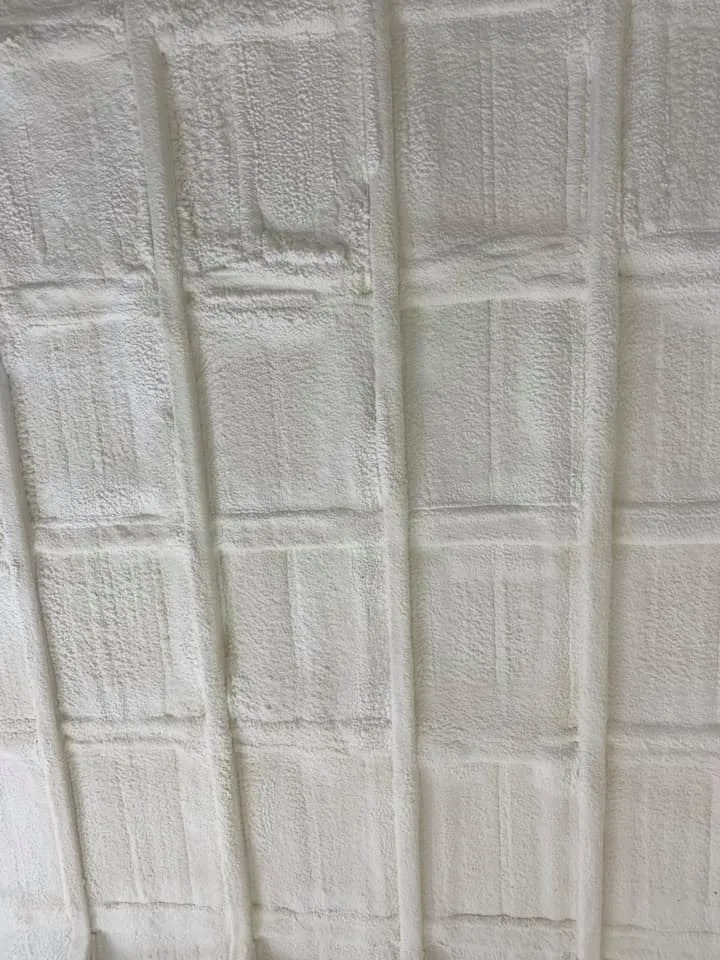
Because the foam adheres so aggressively, removing it for significant structural changes, like moving a wall or replacing damaged framing, does require more labor than removing traditional batt insulation. This is a trade-off for the superior structural connection it provides.
Closed-cell foam provides no food source for pests, and its density makes it difficult for rodents to tunnel through. While it is not an insecticide, it creates an undesirable physical barrier that helps protect the structural integrity of the wood frame from infestation damage.
Local codes dictate the minimum R-value required, but given the severe winters, using closed-cell foam’s high R-value (R-6.0 to R-7.0 per inch) allows builders to meet or exceed thermal goals in thinner wall assemblies, saving space while adding structural support.
Closed-cell spray foam is dimensionally stable once cured. It does not shrink, settle, or slump over time, ensuring that the structural support and thermal boundary remain consistent throughout the building’s life.
Yes, closed-cell foam can be successfully installed in existing structures, provided there is sufficient space to access and spray the cavities. It is an excellent choice for retrofitting older buildings in Pinedale to bring them up to modern structural and energy efficiency standards.
The structural benefit of closed-cell spray foam is rooted in its density, adhesion, and monolithic quality. It turns disparate framing members and sheathing into one unified unit, dramatically improving shear strength and resistance to racking. For structures in Pinedale, where high winds and heavy snow loads impose continuous stress on the building envelope, choosing spray foam insulation in Pinedale, WY that actively reinforces the structure represents a durable, long-term decision.
Evaluate your project’s specific load requirements and thermal needs. Recognizing that insulation can be a structural element, rather than just a thermal barrier, provides a distinct advantage in building durable, high-performance homes and commercial spaces in demanding environments.
Achieving this high level of structural performance requires precise product specification and expert installation. Because the density and curing process are crucial to realizing the full structural benefits discussed, it is critical to partner with professionals who specialize in building science and high-altitude climate demands.
High Country Solution offers expertise in high-performance building assemblies suitable for the demanding climate of Wyoming. Understanding the technical requirements for structural insulation applications is essential for achieving long-term performance and durability. Consult with qualified specialists to determine the optimal density and application methods for your specific structure. Contact High Country Solution by phone at (307) 248-9063 or send inquiries via email to [email protected] to discuss project details and technical specifications related to insulation and structural reinforcement.