Why ventilation is a critical partner to your insulation system in Idaho Falls, ID
Ventilation and insulation work as an essential team in Idaho Falls homes, where insulation keeps heat in during winter and…


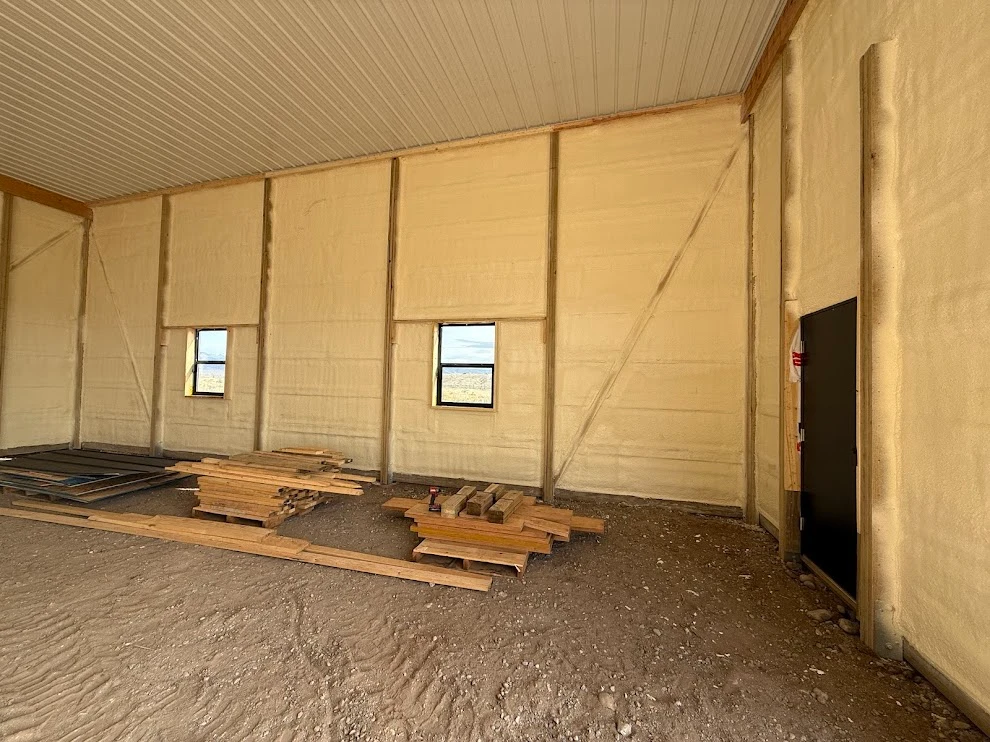
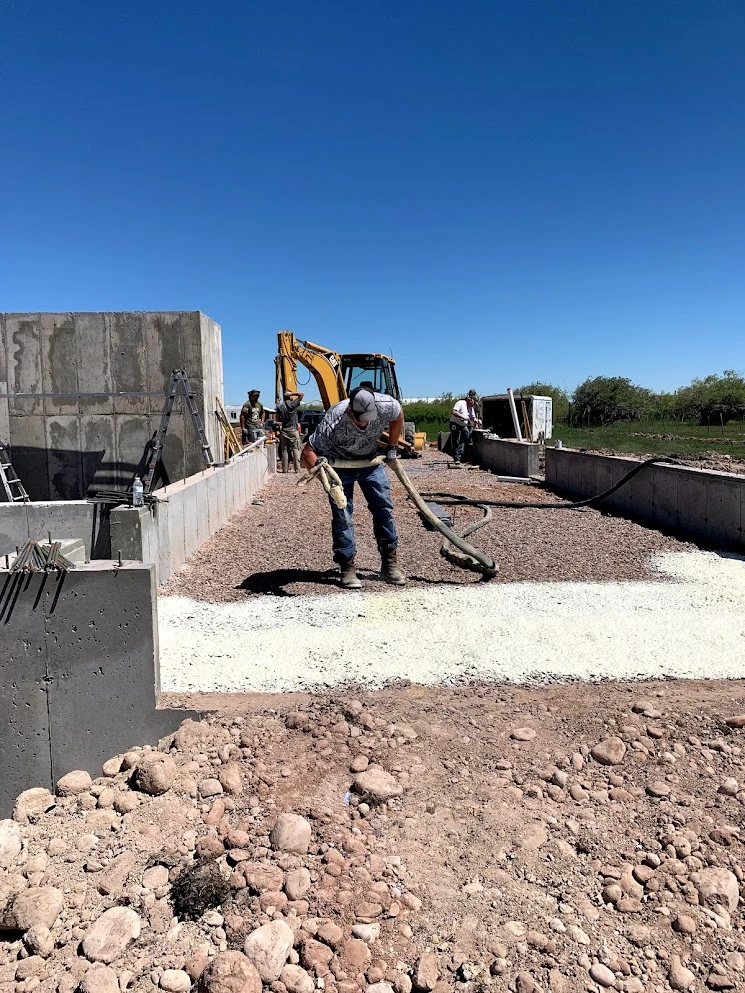
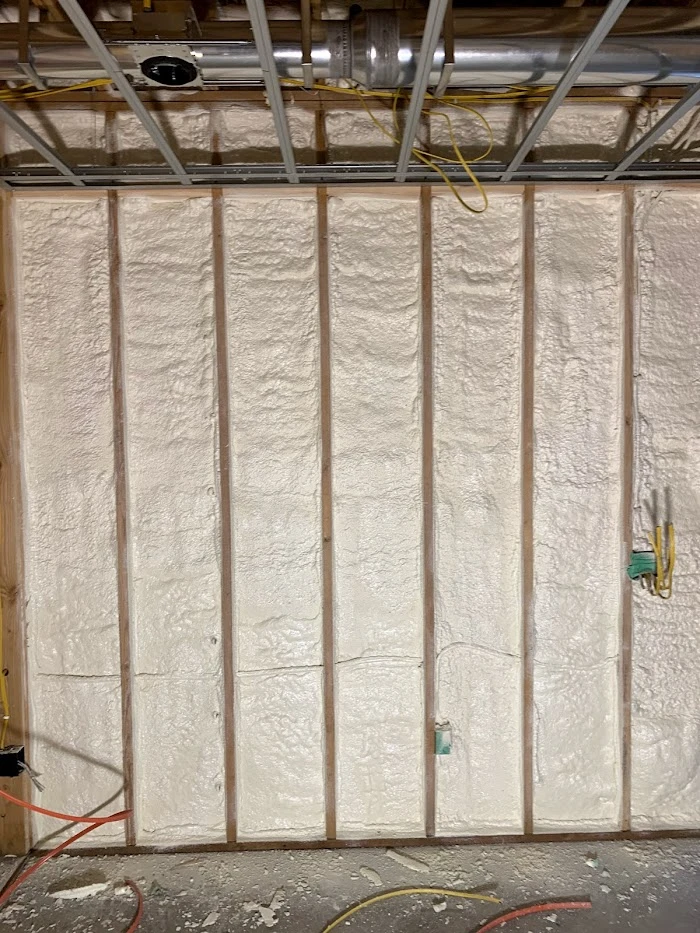
Closed-cell spray foam insulation delivers an R-value of approximately R-6.5 to R-7 per inch in Rigby, Idaho homes and buildings. This thermal resistance rating makes it one of the highest-performing insulation materials available, significantly outperforming traditional options like fiberglass or cellulose. The actual performance can vary slightly based on application quality and specific product formulation, but professional installation consistently achieves these numbers in the region’s climate conditions.
Understanding insulation performance matters greatly in Rigby’s variable climate, where temperatures regularly swing from below-zero winters to hot, dry summers. The information ahead provides practical, experience-based insights about how closed-cell spray foam performs locally, what influences its effectiveness, and how to determine if it fits your building needs. High Country Solutions has worked with numerous properties across eastern Idaho, giving direct knowledge of how this insulation performs under local conditions.
Closed-cell spray foam’s high R-value comes from its unique cellular structure. The foam contains millions of tiny closed cells filled with non-toxic blowing agents that resist heat transfer more effectively than air. Each cell acts as an insulating barrier, creating a continuous thermal blanket when applied properly.
The material’s density typically ranges from 1.75 to 2.2 pounds per cubic foot, which contributes to both its insulating properties and structural benefits. This density also provides air sealing capabilities that traditional insulation cannot match. According to the U.S. Department of Energy , air leakage accounts for 25-40% of heating and cooling energy costs in most homes, making the air sealing aspect particularly valuable for Rigby homeowners.
Here is the comparison data organized into a table:
| Insulation Type | R-Value Per Inch | Air Sealing | Moisture Barrier | Typical Application Thickness for R-49 |
|---|---|---|---|---|
| Closed-Cell Spray Foam | R-6.5 to R-7 | Excellent | Yes | 7-8 inches |
| Open-Cell Spray Foam | R-3.5 to R-4 | Good | Limited | 12-14 inches |
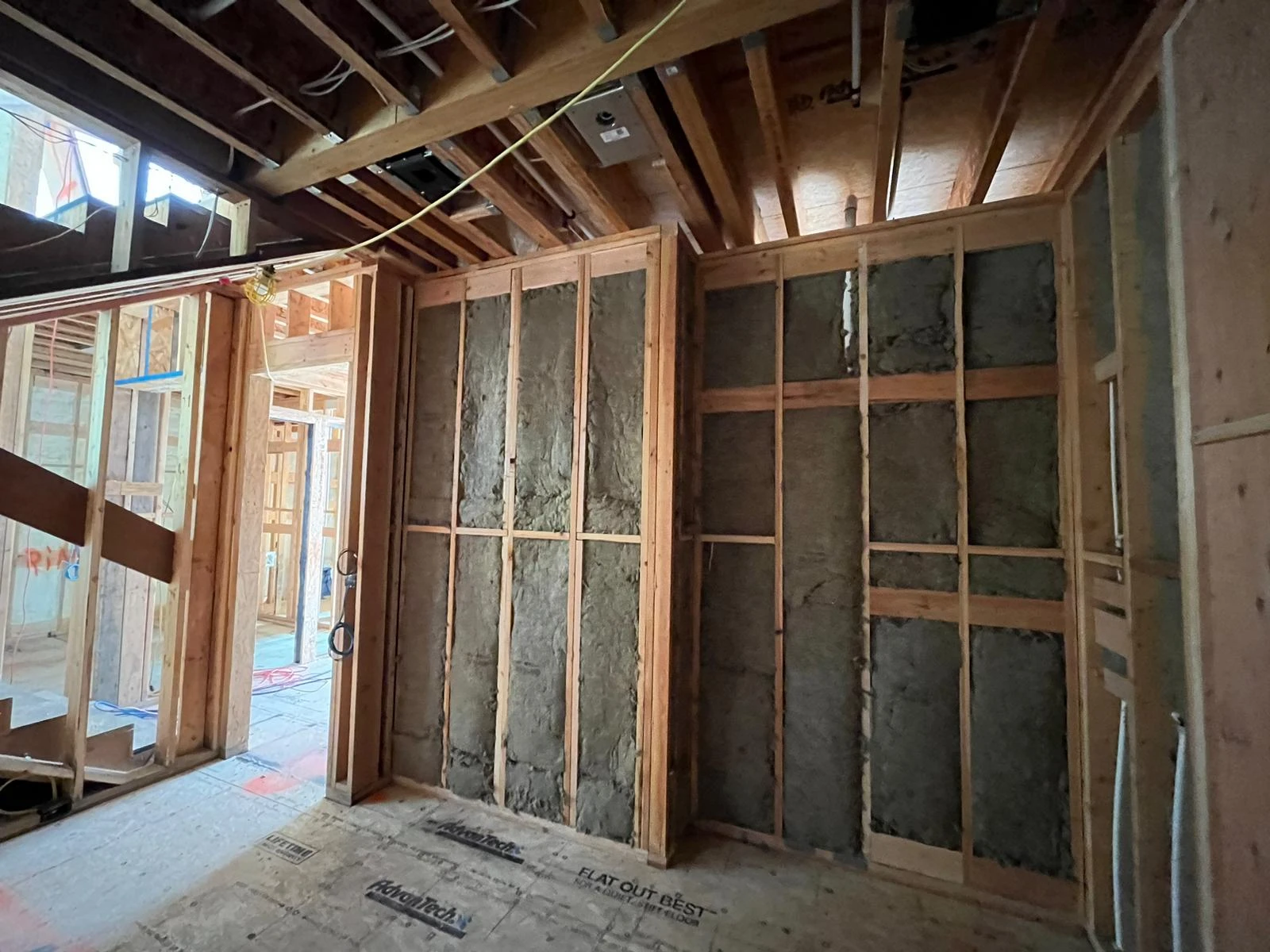
| Fiberglass Batts | R-3.2 to R-3.8 | Poor | No | 13-15 inches |
| Cellulose | R-3.2 to R-3.8 | Fair | Limited | 13-15 inches |
Rigby’s elevation at 4,820 feet above sea level and its location in the Snake River Plain create specific insulation challenges. The area experiences heating degree days numbering over 7,000 annually, according to climate data from Idaho State University Climate Data. This means effective insulation is essential for winter comfort and energy efficiency.
The low humidity common to eastern Idaho actually works in favor of closed-cell spray foam performance. Unlike some regions where moisture management dominates insulation decisions, Rigby’s arid climate allows homeowners to focus primarily on thermal resistance and air sealing. However, temperature swings between day and night can be extreme, sometimes varying 40-50 degrees within 24 hours. The foam’s thermal mass helps moderate these fluctuations.
Local building codes in Jefferson County require minimum insulation values that vary by application area. For attics, the code minimum is R-49, while walls require R-21 minimums. These requirements make closed-cell spray foam an attractive option since it achieves higher R-values in less space, preserving interior square footage while meeting or exceeding code requirements Jefferson County Building Department.
Bonus Tip: In existing Rigby homes with limited space for adding insulation, closed-cell spray foam’s higher R-value per inch can make the difference between achieving code compliance and falling short. A 2×4 wall cavity can reach R-21 with just 3 inches of closed-cell foam, which is impossible with fiberglass.
The initial cost of closed-cell spray foam runs significantly higher than traditional insulation options, typically 2-3 times more per square foot. However, lifecycle cost analysis often shows favorable returns when accounting for energy savings. Homeowners in Rigby report heating cost reductions of 30-50% after proper installation, though individual results vary based on building condition and usage patterns.
Installation quality directly impacts final performance. Proper application requires trained professionals who understand mixing ratios, ambient temperature requirements, and appropriate thickness techniques. In Rigby’s climate, professional installers must account for temperature variations during application, as extreme cold or heat can affect foam expansion and curing times.
The material’s vapor barrier properties deserve careful consideration in some applications. While beneficial in most Rigby situations, homes with specific moisture management needs might require partial application strategies. Interior walls between conditioned spaces typically don’t need closed-cell foam’s moisture barrier properties, making open-cell alternatives more cost-effective for these specific areas.
Bonus Tip: For maximum energy efficiency in Rigby homes, focus insulation efforts first on the attic ceiling. This area typically loses the most heat in winter and gains the most in summer. Prioritizing this space provides the fastest return on investment regardless of insulation type chosen.
Bonus Tip: When planning insulation upgrades, consider electrical and plumbing penetrations that may need resealing. Closed-cell spray foam excels at sealing these difficult areas, but identifying them before installation saves time and money compared to returning for spot treatments later.
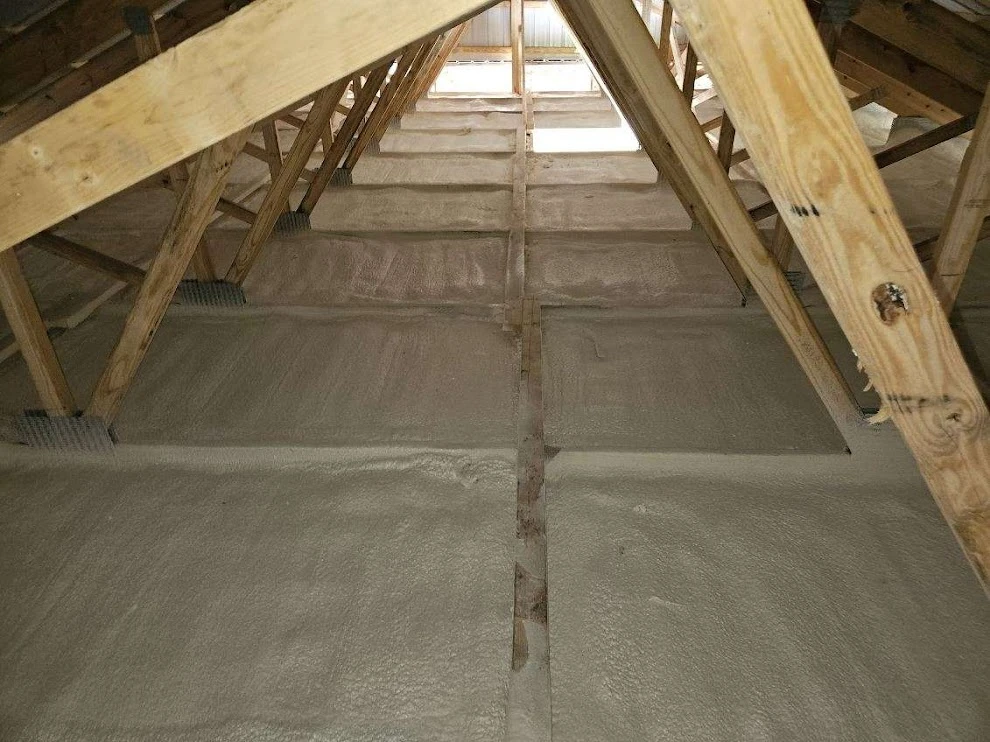
The decision to use closed-cell spray foam in Rigby properties ultimately depends on specific project goals, budget constraints, and existing building conditions. Its superior R-value per inch makes it ideal for space-constrained applications, while its air sealing properties benefit energy efficiency regardless of building type.
Carefully consider the long-term energy savings against initial investment costs, particularly given Rigby’s lengthy heating season. For new construction or major renovations, the combination of performance and space efficiency often justifies the additional expense. For smaller projects or limited budgets, strategic application in critical areas might provide better value.
Evaluate your specific building needs, climate factors, and budget constraints before making a final decision. Every Rigby property presents unique challenges that may favor different insulation strategies based on construction type, existing conditions, and occupancy patterns.
High Country Solutions provides detailed insulation assessments for properties throughout eastern Idaho, helping homeowners make informed decisions about their energy efficiency needs. Professional evaluations consider local climate factors, building characteristics, and budget parameters to recommend appropriate solutions.
Contact High Country Solutions at [email protected] or call (307) 248-9063 to schedule a comprehensive property assessment. The consultation includes thermal performance analysis, cost-benefit calculations, and specific recommendations tailored to your Rigby property’s unique requirements.
When properly installed, closed-cell spray foam insulation lasts the lifetime of the building without significant degradation. The material resists moisture, mold, and pest damage common in Idaho buildings. Most manufacturers offer 25-year warranties, but actual performance extends much longer.
Yes, but the approach depends on existing materials and application method. Spray foam can be applied over existing fiberglass in attics to create a superior thermal barrier, but it shouldn’t be used to fill enclosed wall cavities that already contain insulation without proper assessment.
The product is completely safe after proper curing, which typically takes 24 hours. During application, installers and occupants should vacate the area due to fumes. Look for products with low VOC formulations and third-party certifications like GREENGUARD for additional assurance.
Virtually none. Unlike other insulation types that can settle, compress, or absorb moisture over time, closed-cell spray foam maintains its performance characteristics indefinitely without intervention.
While not its primary purpose, closed-cell spray foam provides better sound reduction than fiberglass due to its density and air sealing properties. For significant soundproofing needs, additional specialized acoustic treatments may still be necessary.