Why ventilation is a critical partner to your insulation system in Idaho Falls, ID
Ventilation and insulation work as an essential team in Idaho Falls homes, where insulation keeps heat in during winter and…


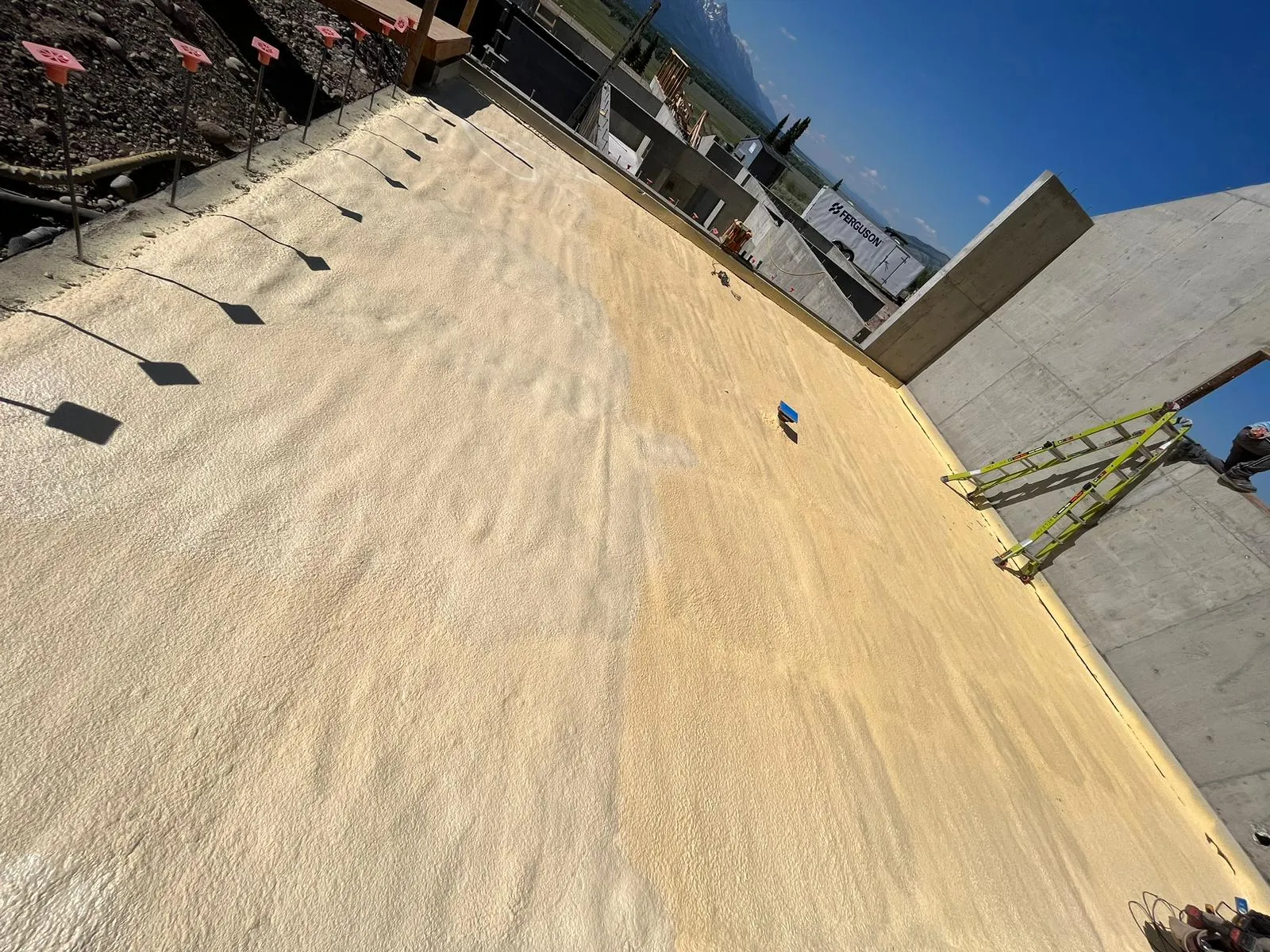
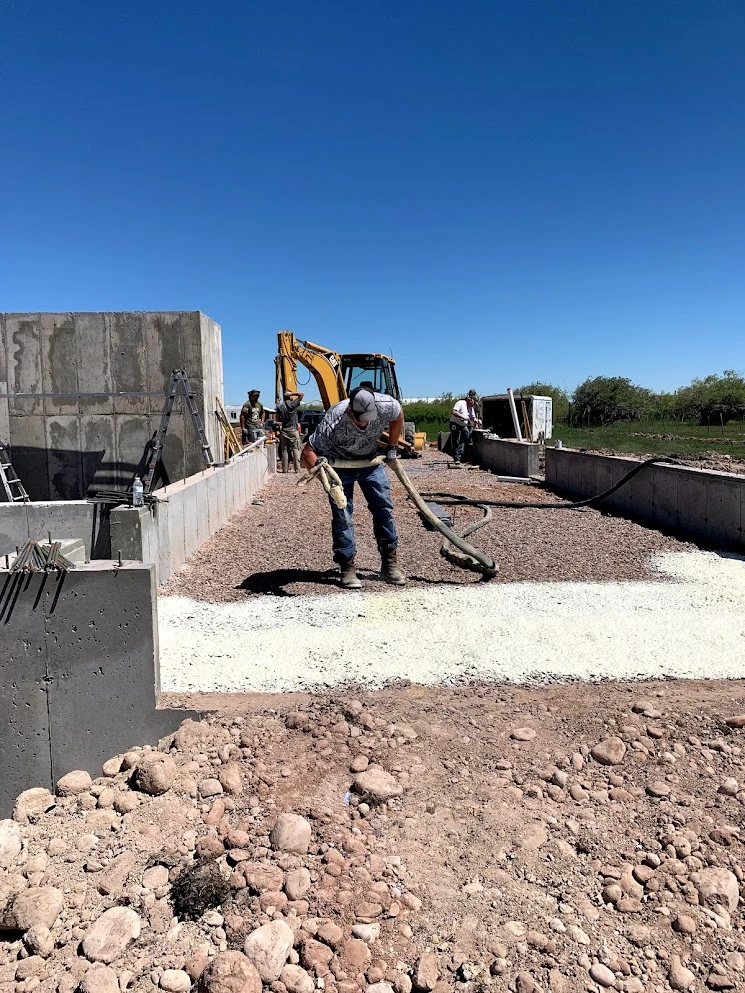
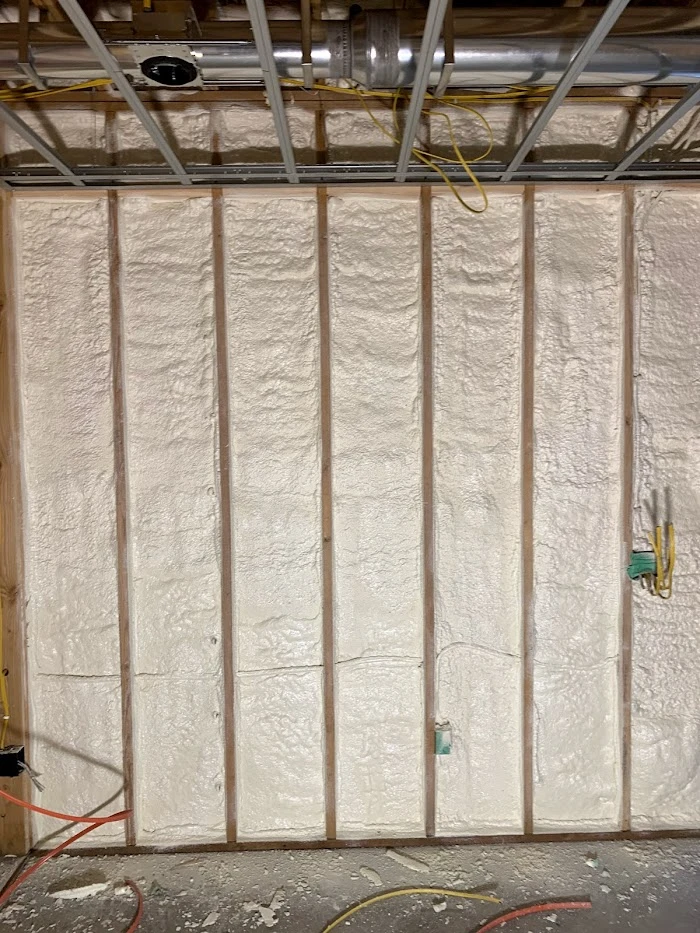
Closed-cell spray foam insulation requires specialized equipment and precise material handling to ensure the proper chemical reaction and resulting density. The installation follows three main stages: meticulous preparation and containment, the technical application phase, and required post-application curing and ventilation. Understanding these steps is essential for achieving the maximum thermal performance and air-sealing benefits this material offers.
Experienced contractors rely on detailed safety protocols and application standards developed through years of applying these high-performance materials in diverse climates, particularly where extreme temperature swings demand superior insulation effectiveness. This guide outlines the specific sequence and considerations required to successfully install closed-cell spray foam, focusing on the precision needed at every step.
The success of spray foam installation depends heavily on the preparation done before the spray rigs even start running; this phase is non-negotiable and ensures material adhesion, protects adjacent surfaces, and maintains worker and occupant safety.
Before insulation application can begin, the substrate must be clean, dry, and structurally sound. Any dust, oil, or loose debris interferes with proper adhesion, leading to potential foam failure. Surfaces like wood framing, concrete, or metal decking should be checked for moisture content; excess moisture prevents the foam from bonding correctly. The area must also be structurally ready; all electrical wiring, plumbing, and HVAC rough-ins must be complete in the area to be insulated.
Containment is critical. Because spray foam overspray can travel and is extremely difficult to remove once cured, contractors must use specialized plastic sheeting and tape to create a sealed environment. They must mask off all exposed surfaces that are not receiving foam, including windows, doors, pipes, and ventilation systems. Ventilation systems must also be temporarily sealed to prevent foam dust or vapors from entering the HVAC system.
Closed-cell foam chemicals are potent, requiring rigorous safety measures. The application crew must wear personal protective equipment (PPE), including full chemical suits, gloves, and respirators with independent air supplies, according to guidelines from organizations like the Occupational Safety and Health Administration (OSHA). This air-supplied respirator ensures applicators do not breathe the reacting chemicals during the spray process. Once the application starts, unauthorized personnel and occupants must vacate the area and remain outside until curing and ventilation are complete.
Bonus Tip: In cold climates, like those common to the High Country region, pre-heating the building materials is essential. If the substrate temperature drops below 40°F, the chemical reaction may slow down too much, resulting in substandard density and poor adhesion. Use temporary heaters to maintain temperatures between 60°F and 80°F for optimal results.
Once the site is prepared, the actual spraying begins; this phase is highly technical and demands expertise in handling the specialized proportioning equipment. The proportioner heats the two chemical components (A and B sides) to the correct temperature (often between 120°F and 140°F) and ensures they are mixed at a perfect one-to-one ratio by volume at high pressure. Incorrect calibration leads to off-ratio foam, which can fail to cure properly, resulting in soft spots, poor insulation value, or ongoing odor issues.
The applicator must maintain a consistent distance and speed while spraying to achieve the desired thickness and density. Closed-cell foam expands rapidly, usually up to 30 to 50 times its liquid volume, but less dramatically than its open-cell counterpart. It is often applied in layers, known as passes, especially when thicker insulation is required. This layering prevents excessive heat buildup during the chemical reaction, which could otherwise damage the foam or the substrate.
For example, if applying three inches of closed-cell foam to meet local requirements, the crew might apply it in two separate passes, allowing a flash-off period between each layer. Achieving consistent depth is vital for uniform thermal performance.
The work doesn’t stop when the spraying ends; crucial curing and ventilation steps must follow to ensure the foam stabilizes and the air inside the structure is safe for re-entry and subsequent finishing.
Once the foam cures (which usually happens within minutes), the crew must shave or trim any excess foam that extends past the framing members (studs or joists) flush with the framing. This process, often done with specialized rotary cutting tools, prepares the surface for the subsequent installation of drywall or other finish materials. Trimming requires careful technique to prevent damaging the installed foam.
While closed-cell foam sets up quickly, the chemicals must completely off-gas before the space is safe for unprotected workers or occupants. A standard rule, often recommended by manufacturers and organizations like the Environmental Protection Agency (EPA), suggests 24 to 72 hours of dedicated ventilation after application is complete. This time frame depends heavily on the volume of foam applied, the structure’s air exchange rate, and external weather conditions.
Choosing closed-cell foam involves considering several structural and environmental factors specific to the project.
Closed-cell foam offers a high R-value per inch, often ranging from R-6.0 to R-7.0. Because of its density and structure, closed-cell foam also acts as a powerful vapor retarder, sometimes eliminating the need for separate vapor barrier installation, depending on local building codes. This dual function makes it highly effective in demanding areas like crawl spaces, basements, and exterior walls in humid or very cold regions.
Bonus Tip: Closed-cell foam adds significant racking strength to wall assemblies. When building a pole barn or structure that requires enhanced lateral stability, the application of two inches of closed-cell foam can contribute noticeably to the structure’s rigidity.
While closed-cell foam has a higher upfront cost than open-cell foam or fiberglass, its superior long-term performance often justifies the expense. According to industry reports analyzed by IBISWorld, high-performance, spray-applied foam insulation has seen continued growth as energy efficiency standards tighten, reflecting the material’s long-term value proposition.
Here is a simple look at how application factors differ between the two main types of spray foam:
| Feature | Closed-Cell Spray Foam | Open-Cell Spray Foam |
|---|---|---|
| Density | High (2.0 lbs/cu. ft.) | Low (0.5 lbs/cu. ft.) |
| Vapor Retarder | Yes (Typically effective at 2-3 inches) | No |
| R-Value per Inch | R-6.0 to R-7.0 | R-3.5 to R-3.7 |
| Structural Contribution | Significant (Adds rigidity) | Minimal |
| Expansion Rate | Lower requires multiple passes for thickness | Higher fills large areas quickly |

Installation time varies widely based on the size and complexity of the area, but preparation and cleanup often take as long as the spraying itself. A typical residential attic and exterior wall insulation project might take one to three full days, including prep work, spraying, and dedicated ventilation time. Expect professional crews to spend considerable time masking and preparing the site before the first drop of foam is applied.
Off-ratio foam is a serious issue. If the chemicals are not mixed correctly, the resulting product may not cure to the expected density, remaining soft or sticky, and potentially off-gassing persistently. When this happens, the improperly cured foam usually requires complete removal, which is a labor-intensive and expensive correction that highlights the need for experienced applicators.
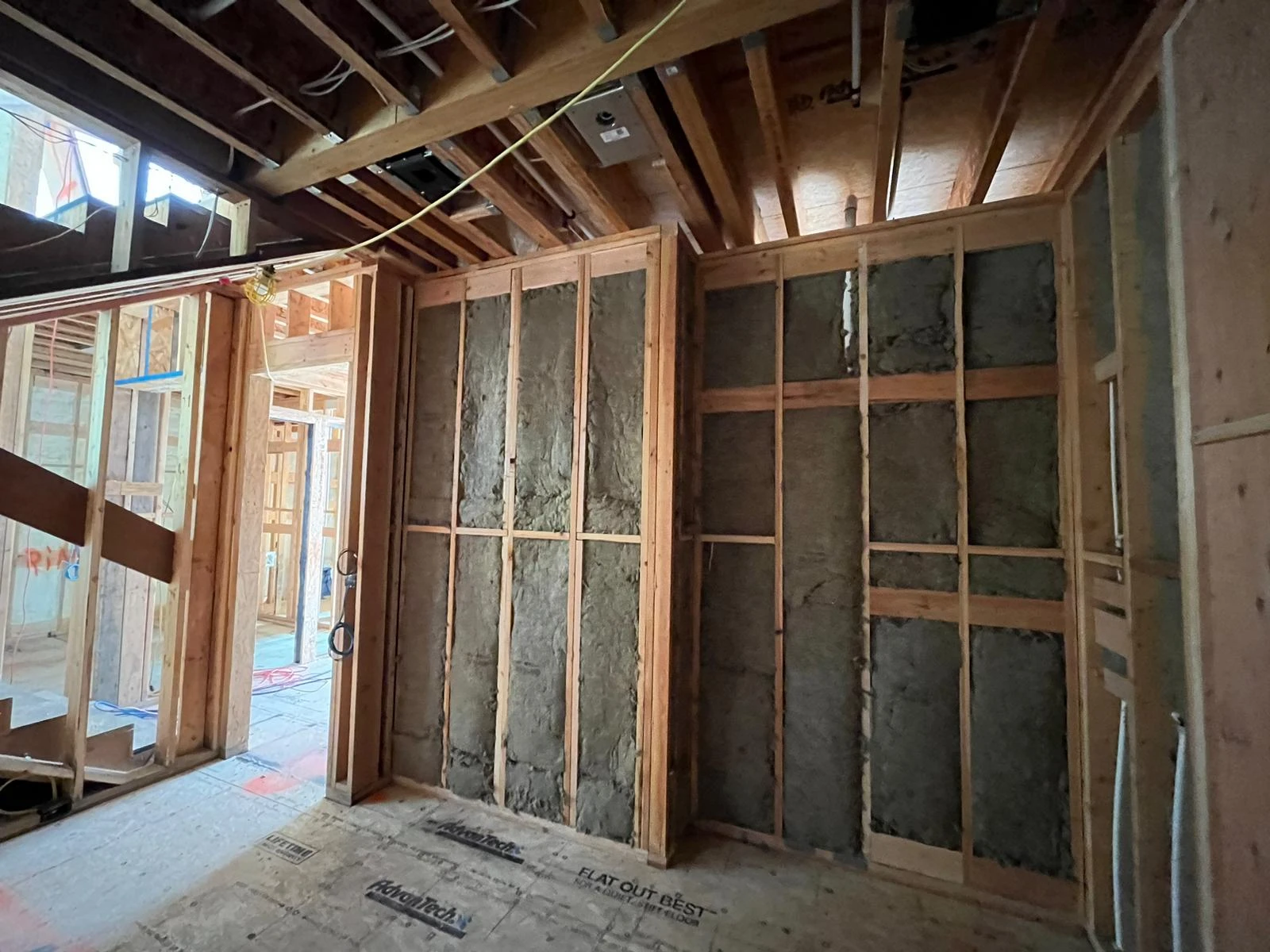
Applying closed-cell foam over existing loose-fill or batt insulation is generally discouraged. The old material can interfere with the bond between the new foam and the substrate, trapping moisture and potentially compromising the foam’s ability to act as an air barrier. It is always better practice to remove old insulation completely before installing spray foam.
Spray foam insulation, regardless of cell structure, must meet strict fire code requirements. Once cured, most modern closed-cell foams are classified as Class 1 fire-rated. However, exposed foam in occupied spaces (like basements or attics) must always be covered by an approved thermal barrier, such as drywall, to meet code requirements and prevent fire spread.
Achieving high-quality, durable results from closed-cell spray foam installation relies on a highly disciplined operation defined by three phases: comprehensive preparation to manage safety and protect the structure; precise chemical mixing and application that demands technical skill; and thorough post-application curing and ventilation. Recognizing the critical nature of calibration and containment ensures the final product delivers the expected airtightness and high R-value.
Readers should evaluate their specific structural needs, local climate, and long-term energy goals when selecting this premium insulation product. The initial steps of site readiness and professional execution are what define the quality and durability of the finished insulation system.
If planning an insulation project, ensuring the contractor follows rigorous safety protocols and uses properly maintained equipment is paramount. High Country Solution encourages individuals to seek expert advice specific to their building’s design and location. Discussing regional factors and required ventilation schedules with a professional helps streamline the process. Contact High Country Solution at [email protected] or call (307) 248-9063 for detailed information about preparing your property for high-performance spray foam installation.