Why ventilation is a critical partner to your insulation system in Idaho Falls, ID
Ventilation and insulation work as an essential team in Idaho Falls homes, where insulation keeps heat in during winter and…



Blown-in insulation provides superior coverage compared to rolls in Chubbuck, ID, because it fills gaps, crevices, and hard-to-reach areas that batts and blankets inevitably miss. This comprehensive coverage eliminates thermal bridging and air leakage, which is particularly valuable in Idaho’s climate, where temperature swings between freezing winters and hot summers demand consistent insulation performance. The specialized installation process ensures every nook and cranny gets sealed, creating a continuous thermal barrier that rolls simply cannot match due to their rigid form factor and the difficulty of fitting them perfectly around obstacles like electrical wiring, plumbing, and structural supports.
High Country Solutions has extensive experience with insulation installations across southeastern Idaho, understanding firsthand how the region’s unique weather patterns and building structures impact insulation performance. This guide will walk through the technical differences, climate-specific benefits, and practical considerations that make blown-in insulation the preferred choice for Chubbuck properties seeking optimal energy efficiency and comfort.
The fundamental advantage of blown-in insulation lies in its ability to create a seamless thermal blanket across any surface. While rolls (batts and blankets) must be cut and fitted around obstacles, blown-in material naturally flows into every cavity, eliminating gaps that compromise thermal performance. In a typical attic installation, this means complete coverage around rafters, joists, electrical boxes, and ventilation systems without the compression issues that plague rolled insulation.
Compression is a critical factor that many homeowners overlook. When rolls are forced into irregular spaces or compressed to fit, their R-value per inch drops significantly. A 3.5-inch thick R-13 batt compressed to just 3 inches loses approximately 15% of its insulating power. Blown-in insulation maintains its designed R-value because it’s installed loose and never compressed during application.
Professional blown-in insulation achieves near-perfect coverage ratios, typically filling 98-100% of the intended cavity space. Rolls, even when installed by experienced professionals, often leave 5-15% of the area under-insulated due to fitting challenges Building Science Corporation. These small gaps add up, creating thermal bridges that continuously leak energy and compromise comfort levels throughout the year.
The difference becomes most apparent in complex spaces like attics with multiple penetrations, walls with extensive electrical systems, or cathedral ceilings. In these areas, blown-in insulation adapts to the space rather than requiring the space to adapt to the insulation, resulting in consistently better performance across the entire building envelope.
Chubbuck’s location in southeastern Idaho presents specific insulation challenges that blown-in products address more effectively than rolls. The area experiences continental climate characteristics with summer temperatures regularly exceeding 90°F and winter temperatures often dropping below 20°F. This wide temperature differential puts significant stress on a home’s thermal envelope, making complete coverage essential for maintaining consistent indoor temperatures.
According to the U.S. Department of Energy, southeastern Idaho requires R-38 to R-60 insulation in attics for optimal energy efficiency. Achieving these higher R-values is easier and more effective with blown-in materials because they can be installed to greater depths without the weight and sagging issues that affect thick roll applications. The uniform density of blown-in insulation also prevents settling and maintains its R-value over time, which is crucial for meeting local building codes and energy standards.
Idaho’s dry climate also makes blown-in insulation particularly suitable. Materials like cellulose and fiberglass blown-in resist moisture absorption and maintain their insulating properties even in the low-humidity conditions common to the Chubbuck area. This contrasts with some regions where moisture concerns might limit blown-in options, making it an ideal choice for local applications.
Blown-in insulation comes in two primary materials, each with distinct advantages for Chubbuck properties:
| Material | R-Value per Inch | Best Applications | Settling Rate | Density |
|---|---|---|---|---|
| Cellulose | 3.2-3.8 | Attics, walls | 5-20% over time | 1.5-2.0 lbs/ft³ |
| Fiberglass | 2.2-2.7 | Attics, crawl spaces | Minimal | 0.5-1.0 lbs/ft³ |
Cellulose blown-in insulation, made from recycled paper products, offers higher R-values per inch and better air-sealing properties due to its smaller fibers that interlock when installed. It’s particularly effective in Chubbuck’s older homes with irregular framing and multiple air leaks. The material’s density also provides superior sound dampening, which homeowners appreciate when living near busy roadways or in denser neighborhoods.
Fiberglass blown-in insulation consists of tiny glass fibers and provides consistent thermal performance with minimal settling. It’s ideal for new construction projects or homes with moisture concerns, as it doesn’t absorb water and resists mold growth. The lighter weight makes it suitable for cathedral ceilings, where structural loading might be a consideration with heavier cellulose applications.
The installation methods for these insulation types represent another significant point of divergence. Blown-in insulation requires specialized equipment that disperses material at high velocity, allowing it to compact naturally and achieve the correct density. Professional installers calculate the exact amount needed based on square footage, desired R-value, and material type, then apply it systematically for uniform coverage.
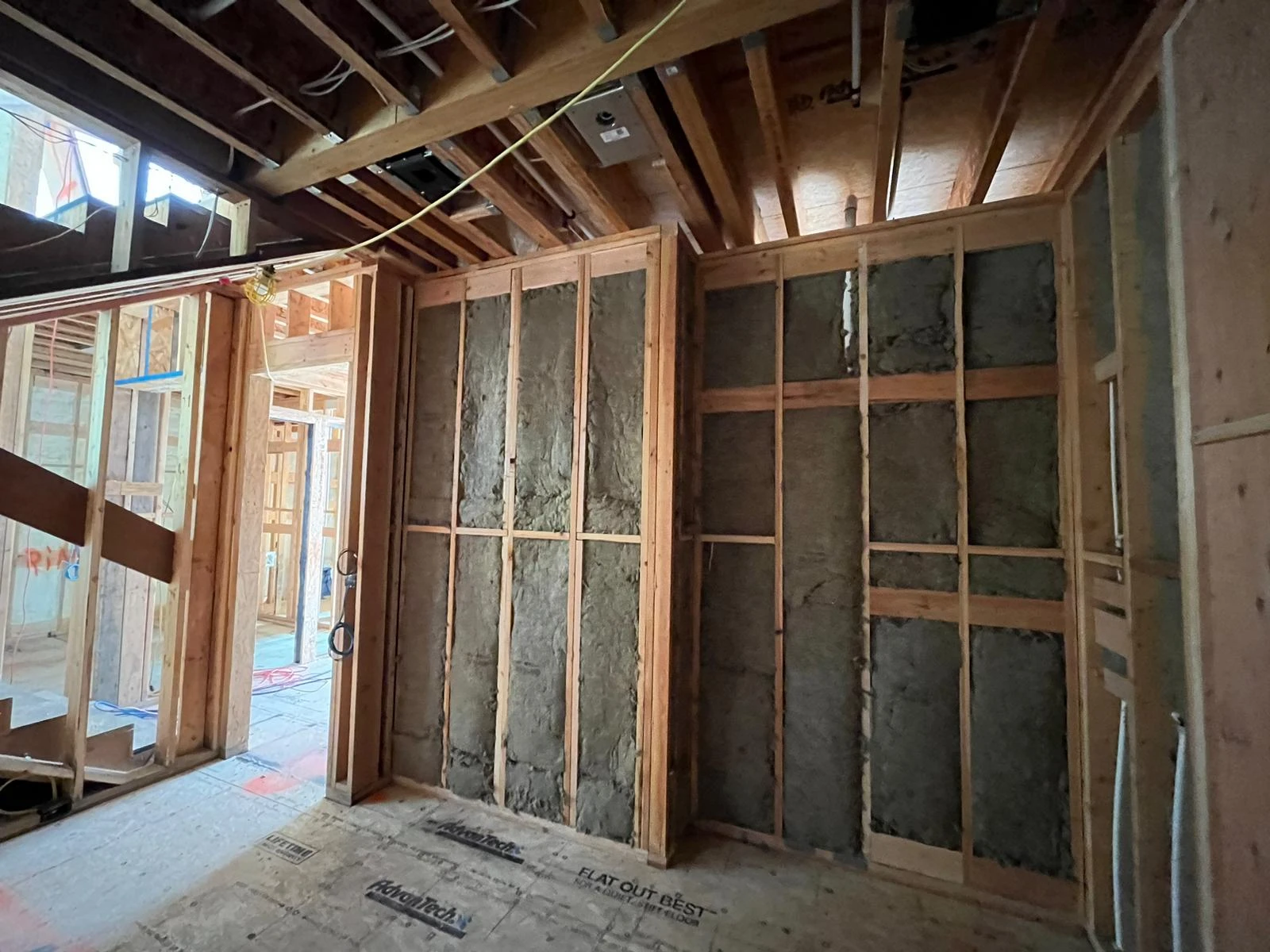
Roll insulation installation is fundamentally a manual process that involves measuring, cutting, and fitting each piece by hand. Even skilled installers struggle with irregular spaces, angled ceilings, and areas around obstructions. The quality of roll installation depends heavily on the installer’s attention to detail and the amount of time allocated to the project. Rushed installations often result in gaps, compression, and improperly fitted pieces that compromise performance.
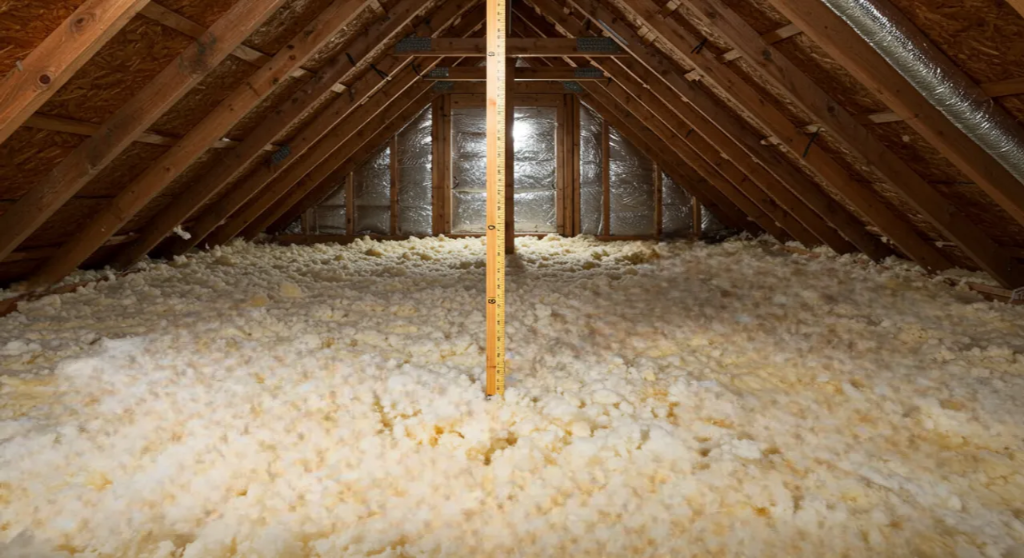
Blown-in insulation installation includes built-in quality control through depth measurements taken throughout the application area. Installers use rulers or laser devices to verify consistent depth across the entire surface, ensuring the specified R-value is achieved everywhere. This objective verification process eliminates guesswork and provides documented proof of installation quality.
Roll installations rely more on subjective assessment of fit and coverage. Without systematic depth measurements, it’s difficult to verify that the intended R-value has been achieved, especially in complex spaces. This uncertainty can lead to performance issues that only become apparent after heating and cooling bills arrive.
While the upfront cost of blown-in insulation typically runs 15-30% higher than rolls, the long-term economics favor the blown-in approach. The initial investment difference usually pays for itself within 3-5 years through reduced energy costs, particularly in Chubbuck’s climate, where heating and cooling demands span most of the year.
The Environmental Protection Agency’s ENERGY STAR program estimates that proper insulation can reduce heating and cooling costs by an average of 15% nationwide. In Idaho’s climate zone, these savings often exceed 20% when upgrading from poorly installed rolls to properly installed blown-in insulation. The superior air-sealing properties of blown-in materials also reduce the load on HVAC equipment, potentially extending system lifespan and reducing maintenance costs.
Longevity considerations further strengthen the economic case. Blown-in insulation maintains its R-value consistently over time, while rolled insulation can degrade due to settling, moisture exposure, or pest activity. This performance stability means energy savings remain consistent throughout the insulation’s lifespan, often 20-30 years or more.
When evaluating insulation options for your Chubbuck property, several factors deserve careful consideration beyond the basic coverage advantages. The age and condition of your home significantly influence which insulation method will provide the best results. Older homes with irregular framing, existing insulation, or air leakage issues typically benefit more from blown-in applications due to their gap-filling properties.
Access to the installation area presents another critical factor. Attics with limited headroom, multiple obstructions, or difficult entry points make roll installation particularly challenging and time-consuming. Blown-in equipment can often reach these spaces more easily, though some extremely confined areas may still require alternative approaches. Professional assessment of access challenges helps determine the most practical installation method.
Existing insulation materials in your home may affect the decision. Blown-in insulation can typically be installed over existing rolls without removal, creating a hybrid system that combines the benefits of both methods. However, some materials don’t work well together, and moisture barriers must be properly maintained to prevent condensation issues within the wall assembly.
The presence of pest problems or rodent activity also influences material choice. While both insulation types can support pest activity, cellulose’s borate treatment provides natural pest resistance that some homeowners find valuable. Fiberglass, while not a food source for pests, doesn’t offer the same deterrent properties and may require additional pest management measures.
The coverage advantages of blown-in insulation make it the superior choice for most Chubbuck properties, particularly those seeking optimal energy efficiency in Idaho’s demanding climate. The material’s ability to completely fill gaps and create a continuous thermal barrier provides performance benefits that rolled insulation simply cannot match, especially in complex spaces with multiple penetrations and irregular framing.
Beyond the immediate coverage benefits, blown-in insulation offers long-term advantages through stable R-values, reduced settling, and better compatibility with existing structures. These factors combine to create a more comfortable, energy-efficient home environment that maintains its performance characteristics for decades with minimal maintenance required.
Evaluate your specific situation carefully, considering access constraints, existing materials, and long-term energy goals. For most homeowners in the Chubbuck area, the investment in professional blown-in installation pays dividends through reduced energy costs, improved comfort, and increased property value over the life of the insulation system.
For detailed guidance specific to your Chubbuck property, contact High Country Solutions at [email protected] or call (307) 248-9063. Professional assessment helps determine the optimal insulation approach based on your home’s unique characteristics and energy efficiency goals. Experienced technicians can evaluate existing insulation, identify air leakage points, and recommend the most cost-effective solutions for your situation.
Yes, but modern blown-in materials are engineered to minimize settling. High Country Solutions applies materials at slightly greater depths to account for the minimal settling that occurs, ensuring the final R-value meets specifications. Most settling happens within the first few months after installation.
Yes, blown-in insulation can be added to existing closed walls through small access holes drilled between studs. This process requires specialized equipment and experience to achieve proper density without damaging the wall surface. It’s an effective way to improve insulation in finished spaces.
Both cellulose and fiberglass blown-in insulation are considered safe for most households. Modern cellulose products use borate treatments rather than harmful chemicals, and fiberglass comes with encapsulation options that reduce fiber exposure. Proper installation techniques minimize airborne particles during the application process.
Quality insulation improvements typically increase home resale value by reducing energy costs and improving comfort ratings. Energy-efficient homes often sell faster and at premium prices in competitive markets. Documentation of proper installation and material specifications helps demonstrate the upgrade value to potential buyers.
Blown-in insulation requires virtually no maintenance when properly installed. Annual visual inspections of attics and crawl spaces help identify any potential issues like moisture intrusion or pest activity, but the material itself remains stable for decades without intervention.