Why ventilation is a critical partner to your insulation system in Idaho Falls, ID
Ventilation and insulation work as an essential team in Idaho Falls homes, where insulation keeps heat in during winter and…


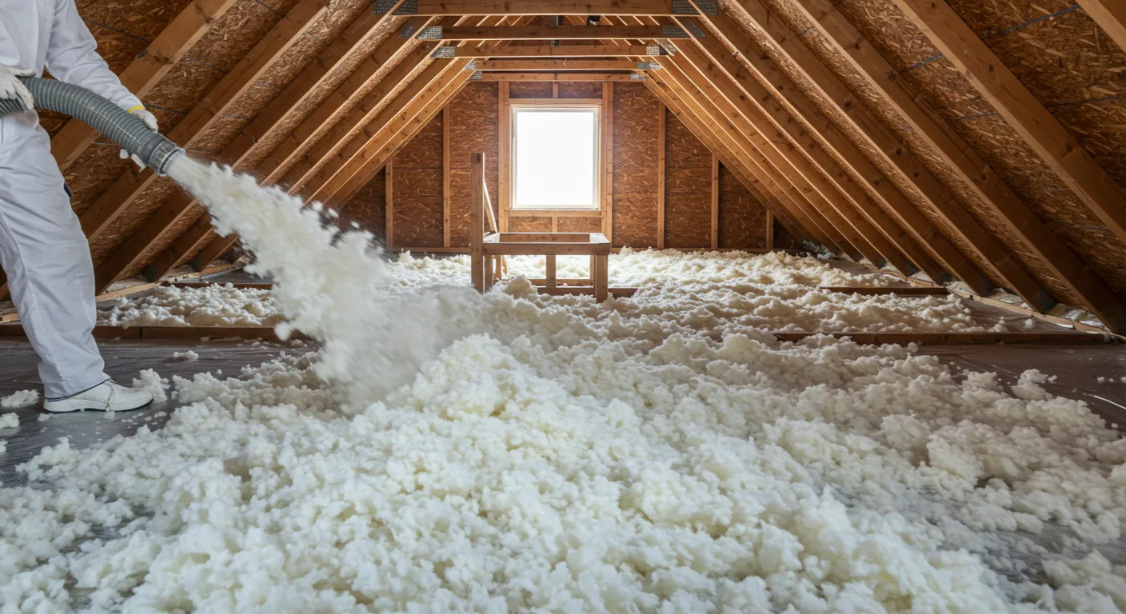
Blown-in insulation delivers a quick return on investment in 2026, primarily due to rising energy costs, improved tax incentives, and its ability to reduce heating and cooling expenses by up to 40% in the first year. The combination of lower installation costs compared to other insulation methods, immediate energy savings, and available federal and state rebates means most homeowners recoup their investment in 2-4 years rather than the traditional 5-8 year timeframe seen with traditional insulation upgrades.
This guide breaks down the specific market conditions, technical advantages, and financial calculations that make blown-in insulation one of the smartest home improvement investments for 2026. Drawing from extensive experience with insulation projects across various climate zones, the information provided reflects real-world performance data and current market conditions.
The energy market landscape has shifted dramatically in favor of insulation investments. According to the U.S. Energy Information Administration, residential electricity prices have increased by 14% since 2023, while natural gas costs have risen by 23% in the same period. These energy price hikes directly impact the calculation for insulation returns, making energy-saving upgrades more valuable than ever.
Federal tax incentives have also improved significantly. The Inflation Reduction Act of 2022 expanded tax credits for energy-efficient home improvements, offering a direct tax credit of up to 30% for insulation. Many states offer additional rebates that can stack with federal benefits, further reducing the effective cost of installation.
Blown-in insulation, particularly cellulose and fiberglass options, offers distinct installation advantages that contribute to faster ROI. The application process fills gaps and voids that traditional batt insulation often misses, creating a more complete thermal barrier. This comprehensive coverage eliminates cold spots and reduces air infiltration, which accounts for up to 40% of home energy loss.
The material properties also play a role. Modern cellulose insulation contains recycled content and fire-retardant chemicals that improve its performance over time. Unlike traditional insulation that can settle and lose effectiveness, properly installed blown-in insulation maintains its R-value for decades, ensuring consistent energy savings throughout its lifespan.
The return on investment varies significantly by climate zone, with colder regions showing faster returns due to higher heating costs. Here’s a breakdown of typical savings and payback periods:
| Climate Zone | Typical Payback Period | Best Insulation Type |
|---|---|---|
| Cold (Northern) | 2-3 years | Cellulose, R-49+ |
| Mixed (Central) | 3-4 years | Fiberglass, R-38+ |
| Hot-Humid (Southern) | 4-5 years | Fiberglass, R-30+ |
| Hot-Dry (Southwest) | 4-5 years | Cellulose, R-30+ |
These calculations assume a 2,000 square foot home with average insulation upgrades costing $2,400-3,600. The savings figures account for both reduced heating and cooling costs, with heating savings dominating in cold climates.
Bonus tip: In mixed climates, focusing on attic insulation typically provides the fastest ROI, accounting for 25% of home heat loss in winter and heat gain in summer.
The quality of installation directly impacts both energy savings and the speed of return on investment. Professional installation typically costs $1.50-3.00 per square foot but ensures proper density and coverage, which DIY projects often miss. Improper installation can reduce effectiveness by up to 30%, extending payback periods significantly.
The existing insulation condition also matters. Homes with no insulation or degraded insulation see the most dramatic improvements and fastest returns. Adding blown-in insulation over existing batt insulation still provides benefits, but with a slightly longer payback period.
Different regions face unique challenges that affect insulation ROI. In the Mountain West, where High Country Solution operates, the dramatic temperature swings between day and night make proper insulation especially valuable. The elevation and solar exposure patterns in these regions create specific insulation needs that blown-in products address effectively.
Coastal regions dealing with humidity require moisture-resistant insulation types to prevent mold and maintain effectiveness. In areas prone to wildfires, fire-retardant cellulose insulation provides additional property protection value beyond energy savings, factoring into overall ROI calculations.
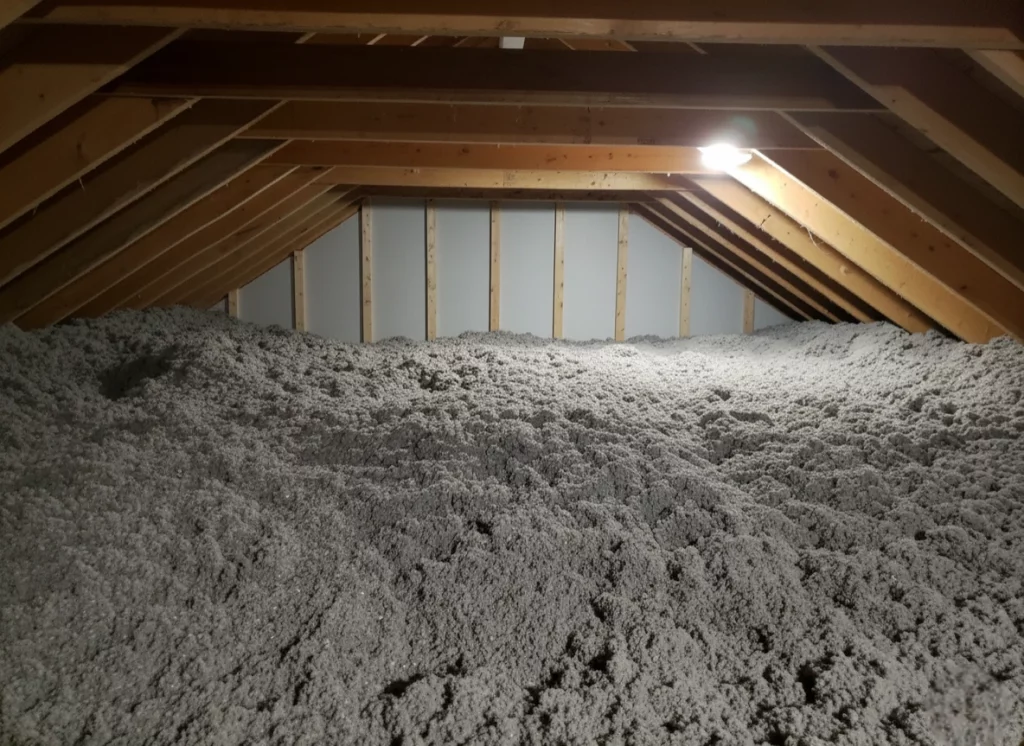
Before investing in blown-in insulation, evaluate several key factors that will affect your specific return on investment timeline. First, conduct a professional energy audit to identify the biggest problem areas in your home’s insulation envelope. This audit typically costs $200-400 but can save thousands by targeting the most cost-effective upgrades first.
Check local building codes and permit requirements, as these can affect installation costs and timeline. Some jurisdictions require vapor barriers or specific insulation types in certain applications. Also, verify warranty terms from installers, as professional workmanship warranties can protect your investment if problems develop.
Consider your home’s age and construction type. Older homes with balloon framing may benefit from additional air sealing measures combined with insulation. Newer homes might need fewer dramatic improvements to achieve optimal efficiency.
Bonus tip: Timing your insulation project during off-peak seasons (spring or fall) can result in 10-15% lower installation costs due to contractor availability.
Bonus tip: Ask potential installers about their blower equipment and experience. Modern insulation blowers with digital controls provide more consistent density than older models, directly affecting long-term performance.
Blown-in insulation offers compelling ROI in 2026 due to the perfect storm of rising energy costs, improved tax incentives, and proven technology that delivers immediate savings. The typical 2-4 year payback period makes it one of the fastest-returning home improvement investments available.
Homeowners should evaluate their specific climate zone, existing insulation condition, and local rebate programs to calculate their precise return timeline. Professional installation, while initially more expensive, provides the most reliable and fastest path to energy savings.
The decision ultimately depends on individual circumstances, including energy costs in your area, home construction type, and available incentives. However, for most homeowners, blown-in insulation represents a practical investment that pays for itself quickly while improving comfort for years to come.
Understanding your potential return on investment requires a personalized assessment of your home’s current insulation condition and local energy costs. High Country Solution provides comprehensive energy audits and insulation consultations that account for 2026 tax incentives and regional rebate programs.
Contact the team at [email protected] or call (307) 248-9063 to schedule a professional evaluation. The consultation includes a detailed cost-benefit analysis specific to your home’s characteristics and local climate conditions, helping you make an informed decision about blown-in insulation for your property.
When properly installed, blown-in insulation lasts 30-50 years without significant degradation. Cellulose may compact slightly over the first few months but then stabilizes, maintaining a consistent R-value for decades.
Professional installation involves the use of barriers and negative air pressure. While there’s some cleanup involved, certified contractors minimize mess and dust. DIY installation without proper equipment can be significantly messier.
Yes, blown-in insulation works well over most existing insulation types. It fills gaps and voids in the original insulation, creating a more complete thermal barrier. However, compression of existing insulation reduces its effectiveness.
Virtually none. Unlike some home systems, blown-in insulation needs no regular maintenance. Occasional checks for water damage or pest intrusion are recommended, but the material itself is maintenance-free.
Energy-efficient homes typically sell for 3-5% more than comparable properties. Blown-in insulation, being verifiable through utility bills and sometimes visible in attic spaces, contributes positively to appraisals and buyer perceptions.