Why ventilation is a critical partner to your insulation system in Idaho Falls, ID
Ventilation and insulation work as an essential team in Idaho Falls homes, where insulation keeps heat in during winter and…


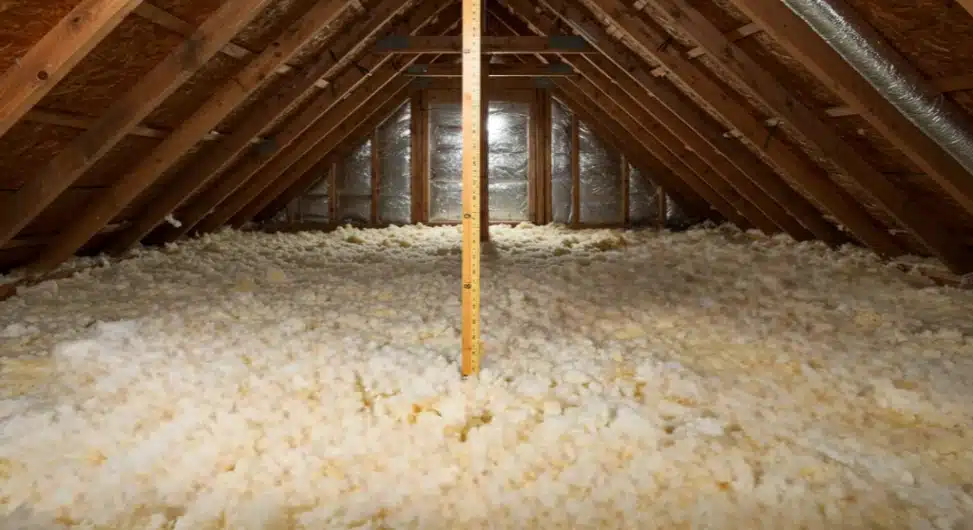
Blown-in insulation creates a thermal barrier around pipes by filling voids and gaps with loose insulation material, trapping air pockets that slow heat transfer and prevent interior warmth from escaping to cold outside temperatures. This method effectively maintains temperatures above the freezing point (32°F) around plumbing systems, even when external conditions drop well below that threshold. Unlike traditional batt insulation, blown-in insulation conforms to irregular spaces and completely encapsulates pipes in walls, crawl spaces, and attics, eliminating cold spots where freezing is common.
The effectiveness of blown-in insulation stems from its ability to achieve complete coverage and deliver higher R-values per inch than other insulation methods. When properly installed around plumbing infrastructure, it can reduce heat loss by up to 40% in exposed areas, significantly lowering the risk of frozen pipes during winter months. This comprehensive approach to pipe protection has become increasingly important as weather patterns become more unpredictable and extreme cold events occur more frequently across regions not traditionally prepared for sustained freezing temperatures.
Blown-in insulation works through simple physics principles. The insulation material – whether cellulose, fiberglass, or rock wool – contains millions of tiny air pockets that create resistance to heat flow. When heated air from your home tries to escape toward cold exterior surfaces, these air pockets dramatically slow the transfer process. The trapped air remains relatively stationary, acting as an insulator that keeps warmth where it belongs – near your pipes.
Cellulose insulation, made from recycled paper products treated with fire retardants, typically achieves R-3.2 to R-3.8 per inch. Fiberglass offers R-2.2 to R-2.7 per inch, while rock wool provides R-3.0 to R-3.3 per inch. This means that, for the same thickness, cellulose provides approximately 40% more insulating power than fiberglass, making it particularly effective for protecting plumbing in extreme cold.
The loose-fill nature of blown-in insulation allows it to flow into every cavity and gap, ensuring no voids exist where cold air can infiltrate. Traditional batt insulation often leaves gaps around pipes, electrical boxes, and structural elements, creating cold bridges that can lead to localized freezing even when the rest of the wall appears properly insulated.
Not all pipes need the same level of protection. Plumbing running through exterior walls, crawl spaces, attics, and garages faces the highest risk of freezing. These areas experience the greatest temperature differentials between interior and exterior environments, making them priority locations for blown-in insulation application.
Exterior walls pose the greatest challenge because they directly separate heated interior spaces from the cold outdoor conditions. Pipes running through these walls often freeze first during cold snaps, especially if they’re located in poorly insulated cavities. Blown-in insulation can completely fill these wall cavities, surrounding pipes with consistent thermal protection.
Crawl spaces create another problematic zone. These areas typically have minimal insulation and ventilation which introduces cold air directly beneath your home. When water pipes run through crawl spaces, they’re exposed to temperatures that can mirror outdoor conditions. Blown-in insulation applied to crawl space walls and overhead areas creates a buffer zone that moderates these temperature extremes.
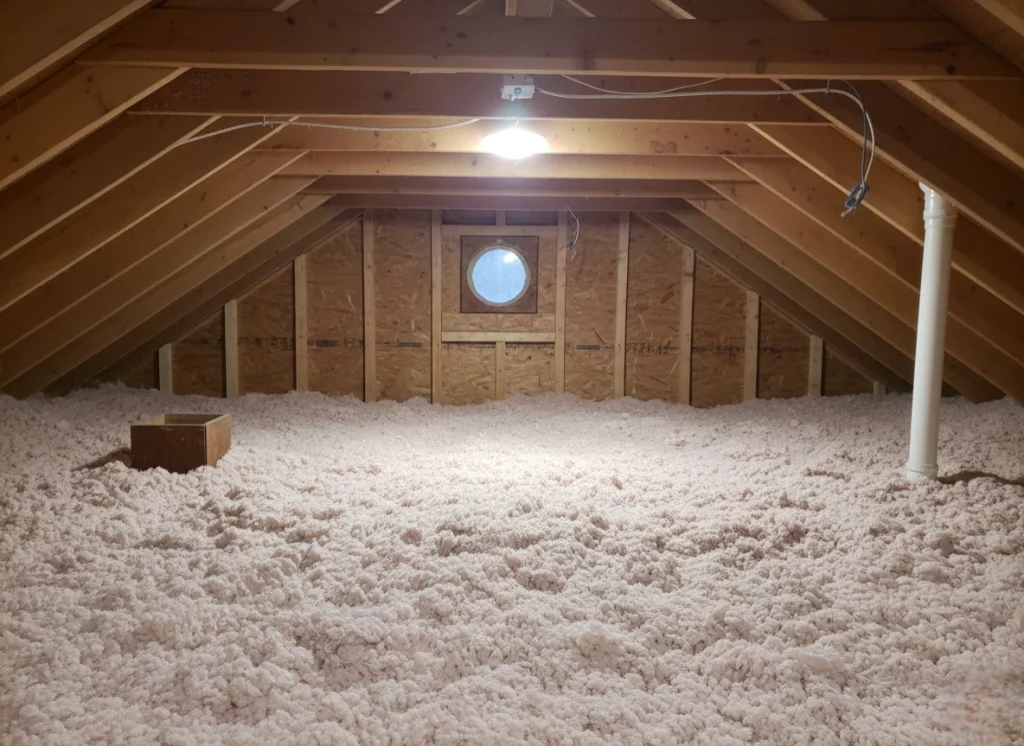
Attic spaces might seem like unlikely places for pipes, but many homes have plumbing running through attics for upstairs bathrooms or utility connections. These spaces can become extremely cold in winter, especially at night when heating systems cycle less frequently. Insulating the attic floor with blown-in material not only protects any pipes running through this space but also reduces overall heat loss from your home.
Professional installation of blown-in insulation requires specialized equipment and knowledge of proper application techniques. The process begins with a thorough inspection of the area to identify all plumbing runs and potential cold spots. Installers then calculate the required depth and density of insulation based on your climate zone and specific pipe locations.
The installation typically involves drilling small access holes in wall cavities or accessing attics and crawl spaces directly. The insulation machine breaks down the material into small, fluffy particles and blows them through a hose into the target areas. Installers carefully control the flow rate and density to ensure complete coverage without creating voids or compacting the material, which would reduce its insulating properties.
One critical factor often overlooked is the need to seal air leaks before adding insulation. According to research from the U.S. Department of Energy, air sealing can reduce heating and cooling costs by an average of 15%, and it’s especially important for pipe protection. Even the best insulation won’t perform well if cold air can bypass it through gaps around electrical boxes, window frames, or plumbing penetrations.
| Insulation Type | R-Value Per Inch | Settling Rate | Moisture Resistance | Pipe Protection Effectiveness | Installation Cost |
|---|---|---|---|---|---|
| Cellulose | R-3.5 | 20% over time | Treated for moisture | Excellent | Medium |
| Fiberglass (Blown) | R-2.8 | Minimal | Poor when wet | Good | Low |
| Rock Wool | R-3.2 | Minimal | Excellent | Excellent | High |
| Foam Board | R-4.0 | None | Varies by type | Good (if gaps sealed) | High |
| Spray Foam | R-3.5-R-6.5 | None | Excellent | Superior (fills gaps) | Very High |
Climate zone dramatically influences how much insulation your plumbing needs. The U.S. Department of Energy divides the country into eight climate zones, each with recommended insulation levels. For example, homes in Zone 7 (northern Minnesota, parts of North Dakota) need ceiling insulation rated at R-49 to R-60, while those in Zone 3 (parts of Texas, Louisiana, and Arkansas) require only R-30 to R-38 for the same application.
Bonus Tip: In regions with extreme temperature fluctuations, consider adding a moisture barrier on the warm side of the insulation in addition to the insulation itself. This prevents warm interior air from reaching cold surfaces where it might condense and potentially cause moisture problems around pipes.
Northern climates require comprehensive protection for all vulnerable plumbing due to prolonged periods below freezing. In these areas, blown-in insulation should be combined with pipe insulation sleeves for maximum protection, especially for pipes running along exterior walls or in unheated spaces.
Southern climates might not experience freezing temperatures as frequently, but when they do, homes are often poorly prepared because they lack the infrastructure common in northern regions. A moderate application of blown-in insulation in key vulnerable areas can prevent costly damage during unexpected cold snaps, which are becoming more common according to climate data from the National Oceanic and Atmospheric Administration.
Before installing blown-in insulation for pipe protection, evaluate several key factors that affect both performance and cost-effectiveness. The age and construction type of your home significantly impact the installation approach. Older homes with balloon framing may require additional air-sealing measures because wall cavities connect directly to the attic, allowing cold air to bypass insulation.
Access considerations play a crucial role in installation planning. Some wall cavities may be difficult to reach without removing drywall or siding, which increases project complexity and cost. A thorough inspection by a qualified installer can identify these challenges upfront and help determine whether blown-in insulation is the most practical solution for your situation.
Budget constraints often influence decisions about the scope of insulation. While comprehensive coverage provides the best protection, prioritizing the most vulnerable areas first – such as north-facing exterior walls, pipes in crawl spaces, and plumbing in attached garages – can deliver significant protection within limited budgets.
Local building codes may dictate specific insulation requirements, especially for new construction or major renovations. These codes often reference the International Energy Conservation Code (IECC), which sets minimum standards based on climate zones. Understanding these requirements helps ensure compliance and optimal protection.
Bonus Tip: For homes with a history of frozen pipes, consider installing temperature sensors in vulnerable locations. These devices can alert you when pipe areas approach dangerous temperatures, allowing intervention before freezing occurs.
Blown-in insulation offers one of the most effective methods for protecting plumbing from freezing temperatures by creating complete thermal barriers around vulnerable pipes. Its ability to fill every gap and void makes it superior to traditional batt insulation for preventing cold spots that lead to freezing. The combination of air sealing and blown-in insulation provides the most reliable protection system for your plumbing infrastructure.
When planning insulation upgrades, prioritize the most vulnerable areas first: exterior walls with plumbing runs, crawl spaces, and attics containing pipes. Consider your specific climate zone requirements and consult with qualified professionals to ensure proper installation technique and adequate coverage levels for your home’s unique characteristics.
Evaluate your current plumbing protection needs by identifying which pipes have frozen previously or run through poorly insulated areas. A targeted approach that addresses these high-risk locations first can deliver meaningful protection while working within budget constraints, with additional areas addressed as resources allow.
For a comprehensive evaluation of your home’s plumbing vulnerability and insulation requirements, contact High Country Solution at [email protected] or call (307) 248-9063. Professional assessment ensures proper identification of at-risk areas and determines the most cost-effective insulation strategy for your specific situation. Expert installers can evaluate accessibility challenges, calculate required insulation depths, and identify potential moisture issues before installation begins.
Pipes begin to freeze when surrounding temperatures drop to 20°F, but this can vary based on insulation levels, pipe location, and water flow. Poorly insulated pipes in exterior walls might freeze at higher temperatures, especially during prolonged cold periods.
Pipe rupture typically occurs within 4-6 hours after freezing is complete, though this timeline varies with pipe material, diameter, and water pressure. The real danger comes when frozen water thaws and escapes through cracks created during expansion.
Allowing faucets to drip slightly during extreme cold can prevent freezing by keeping water moving through pipes. This simple technique reduces pressure buildup if ice does form and is particularly effective for pipes on exterior walls.
Pipe insulation sleeves help, but cannot replace proper cavity insulation. Sleeves primarily protect from direct cold air contact but don’t address heat loss through wall cavities. The best approach combines both methods for comprehensive protection.