Why ventilation is a critical partner to your insulation system in Idaho Falls, ID
Ventilation and insulation work as an essential team in Idaho Falls homes, where insulation keeps heat in during winter and…


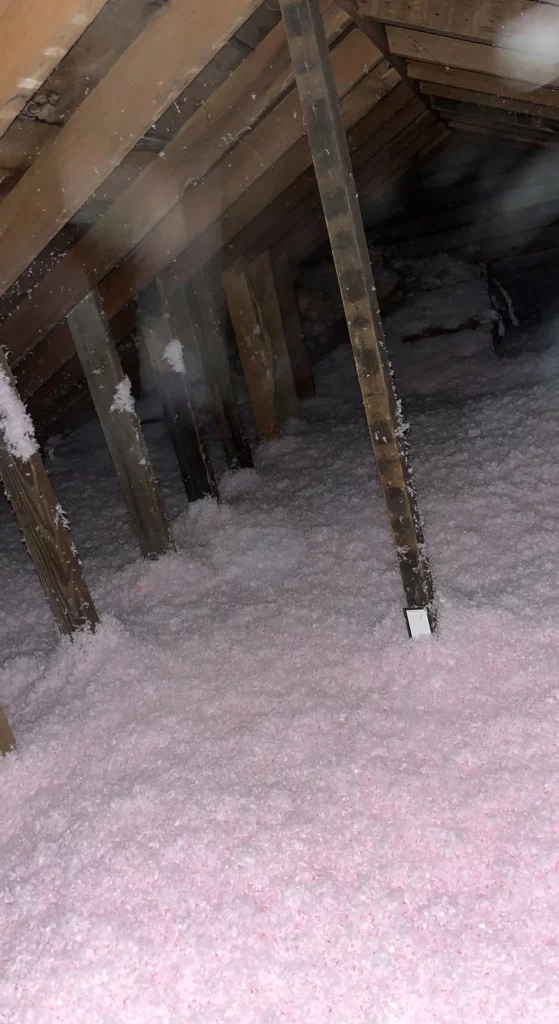
Blown-in insulation significantly reduces neighborhood noise transmission by creating dense barriers that absorb sound waves between homes. The material’s ability to completely fill gaps and voids eliminates pathways through which sound typically travels through walls, attics, and crawl spaces. When properly installed, blown-in insulation can reduce indoor noise levels by 50% or more, transforming how homeowners experience their living environment. This comprehensive guide explores the acoustic properties that make blown-in insulation an effective solution for creating quieter homes in busy neighborhoods.
The information below is based on extensive field experience installing insulation in residential properties across various climate zones. Understanding sound transmission principles and material science allows homeowners to make informed decisions about improving their home’s acoustic comfort without major renovations.
Blown-in insulation works through three primary acoustic mechanisms: absorption, damping, and mass loading. The fibrous structure traps air pockets that convert sound energy into heat through friction, effectively absorbing sound waves before they can pass through building assemblies. Unlike traditional batt insulation that leaves gaps and voids, blown-in materials flow around obstacles and completely fill cavities.
According to research from the North American Insulation Manufacturers Association, cellulose blown-in insulation provides superior sound attenuation compared to fiberglass batts of equal thickness. The material’s density and fiber composition create more effective sound barriers, particularly for mid-frequency sounds like human conversation, television audio, and traffic noise.
Different insulation materials vary significantly in their sound reduction capabilities. The table below compares common insulation types based on their Noise Reduction Coefficient (NRC) ratings, which measure how effectively materials absorb sound across different frequencies.
| Insulation Type | NRC Rating | Density (lbs/ft³) | Best For | Sound Reduction % |
|---|---|---|---|---|
| Cellulose | 0.80-0.90 | 3.0-3.5 | General purpose | 50-60% |
| Fiberglass (blown) | 0.70-0.80 | 0.5-1.0 | Wall cavities | 40-50% |
| Fiberglass (batts) | 0.50-0.70 | 0.5-1.0 | Standard walls | 30-40% |
| Rock Wool | 0.85-0.95 | 4.0-5.0 | High noise areas | 55-65% |
| Spray Foam | 0.20-0.30 | 1.5-2.0 | Air sealing | 15-25% |
The data clearly shows that dense fibrous materials like cellulose and rock wool outperform other options for sound control. These materials work particularly well in exterior walls, shared walls between townhomes, and ceiling assemblies below attics.
Proper installation technique directly impacts sound reduction effectiveness. The key is achieving consistent density without compression or voids. For retrofit applications in existing walls, the drill-and-fill method creates access points between wall studs, allowing insulation to completely fill the cavity from top to bottom.
In attic spaces, deeper insulation layers provide both thermal and acoustic benefits. The Department of Energy recommends insulation levels of R-49 to R-60 for most climate zones, which also provide excellent sound barriers against noise from above. Maintaining uniform depth prevents thermal bridging and acoustic weak spots.
High Country Solution has found that cellulose performs particularly well in mixed-humidity climates where seasonal expansion and contraction can affect other materials. The material’s natural borate treatment prevents moisture-related issues while maintaining its acoustic properties over time.
Climate conditions affect how insulation materials perform acoustically. In areas with extreme temperature variations, materials must maintain their structural integrity to continue providing sound reduction. High-humidity regions require moisture-resistant materials that won’t degrade or lose their acoustic properties.
Coastal areas benefit from cellulose’s natural resistance to mold and mildew, while desert regions with significant temperature swings might prefer rock wool for its dimensional stability. The choice between materials should consider both acoustic performance and long-term durability in specific climate conditions.
Bonus Tip: In neighborhoods with frequent aircraft noise, adding a second layer of drywall with Green Glue compound between layers can increase sound transmission class (STC) ratings by 10-15 points when combined with proper blown-in insulation.
Several factors influence the effectiveness of blown-in insulation for noise reduction. First, identify the primary noise sources affecting your home. Traffic noise requires different solutions than noisy neighbors or upstairs footsteps. Second, assess your home’s construction type—wood frame structures behave differently than concrete or masonry when it comes to sound transmission.
Consider the accessibility of insulation cavities. Some retrofits require significant drywall work, while others can be completed with minimal disruption. Budget constraints also play a role, as rock wool typically costs 20-30% more than cellulose or fiberglass options.
Third-party testing from the Environmental Protection Agency shows that proper air sealing combined with insulation creates the most effective sound barriers. Before installation, seal all air leaks around windows, doors, electrical outlets, and plumbing penetrations for optimal acoustic performance.
Bonus Tip: For homeowners near busy streets, consider installing acoustic-grade exterior windows along with blown-in insulation. Windows often represent the weakest acoustic link in exterior walls.
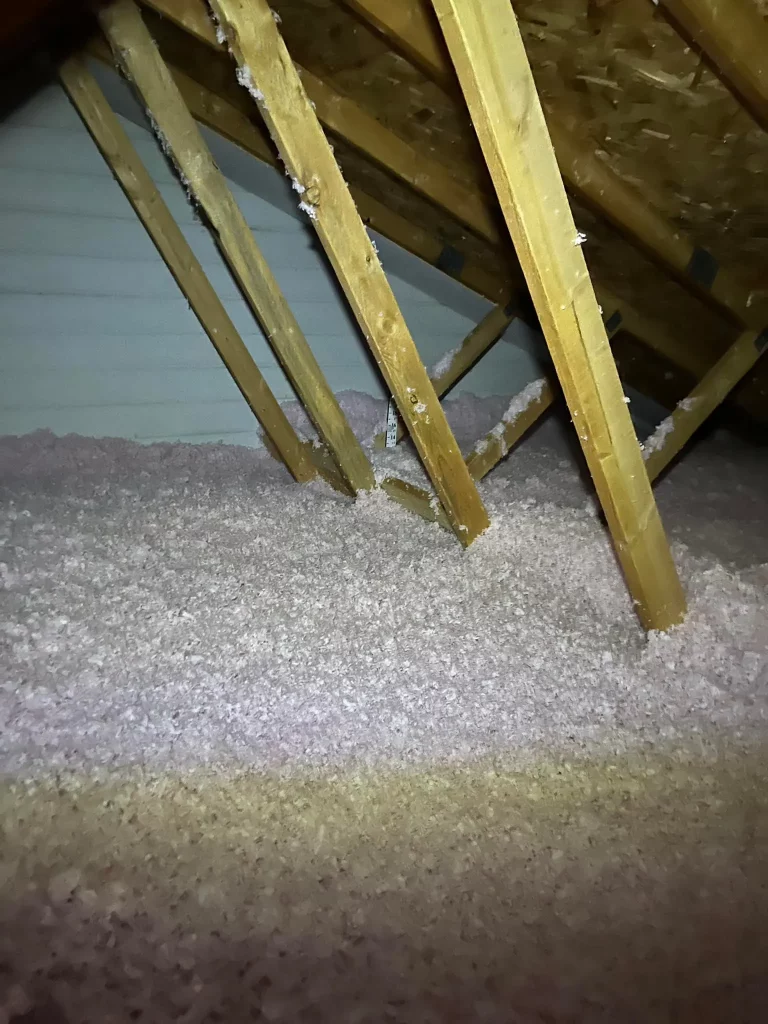
Blown-in insulation offers one of the most effective solutions for reducing neighborhood noise transmission through existing walls and ceilings. The material’s ability to completely fill cavities creates continuous sound barriers that traditional insulation methods cannot match. When combined with proper air sealing and installation techniques, homeowners can achieve significant improvements in acoustic comfort.
Evaluate your specific noise issues, budget constraints, and home construction before choosing materials and installation methods. Consider consulting with insulation professionals who can assess your situation and recommend the most appropriate solution for your acoustic goals.
High Country Solution provides comprehensive acoustic insulation assessments to help homeowners determine the most effective sound control solutions for their specific situations. Contact our team at [email protected] or call (307) 248-9063 to schedule a noise evaluation and receive customized recommendations based on your home’s construction and neighborhood noise challenges. Our experienced technicians can identify sound transmission pathways and develop targeted solutions that fit your budget and comfort needs.
Blown-in insulation and double drywall serve different purposes and work best together. Insulation fills cavities to absorb sound transmission, while additional drywall layers add mass to block sound. Using both provides the most comprehensive solution.
Blown-in insulation in ceiling cavities reduces airborne noise but has a limited effect on impact noise. For footstep noise, consider adding resilient channels between ceiling joists and drywall, or installing thicker carpet with quality padding.
Professional installation typically costs $1.50-$3.00 per square foot, depending on material type, accessibility, and geographic location. Wall installations cost more than attic work due to increased labor requirements.
Modern insulation removal systems use powerful vacuums with containment bags to minimize mess. Professional services include proper disposal and cleanup, leaving the space ready for new installation.
Quality insulation installation typically provides a 70-115% return on investment according to remodeling industry data. Energy savings and improved comfort make homes more attractive to potential buyers.