Why ventilation is a critical partner to your insulation system in Idaho Falls, ID
Ventilation and insulation work as an essential team in Idaho Falls homes, where insulation keeps heat in during winter and…


After installing blown-in insulation, homeowners typically experience seven distinct comfort improvements: more consistent indoor temperatures, elimination of cold spots and drafts, noticeable noise reduction from outside, better humidity control, fewer HVAC system cycling events, improved indoor air quality, and reduced energy bills. These changes happen quickly after installation and create a noticeably different living environment that feels more comfortable and controlled throughout the year.
The experience of these benefits varies depending on your home’s age, location, and previous insulation condition, but the improvements are generally immediate and measurable. Homeowners often report wondering why they waited so long to upgrade their insulation after experiencing these comfort gains firsthand. This guide breaks down each benefit with practical details from years of insulation installation experience, helping you understand exactly what to expect from your investment.
The most immediate difference homeowners notice is how temperatures stabilize across their entire living space. Before insulation, you might have found yourself constantly adjusting thermostats or avoiding certain rooms during extreme weather. After blown-in insulation installation, the temperature variation between rooms typically drops by 3-5 degrees, creating uniform comfort throughout your home.
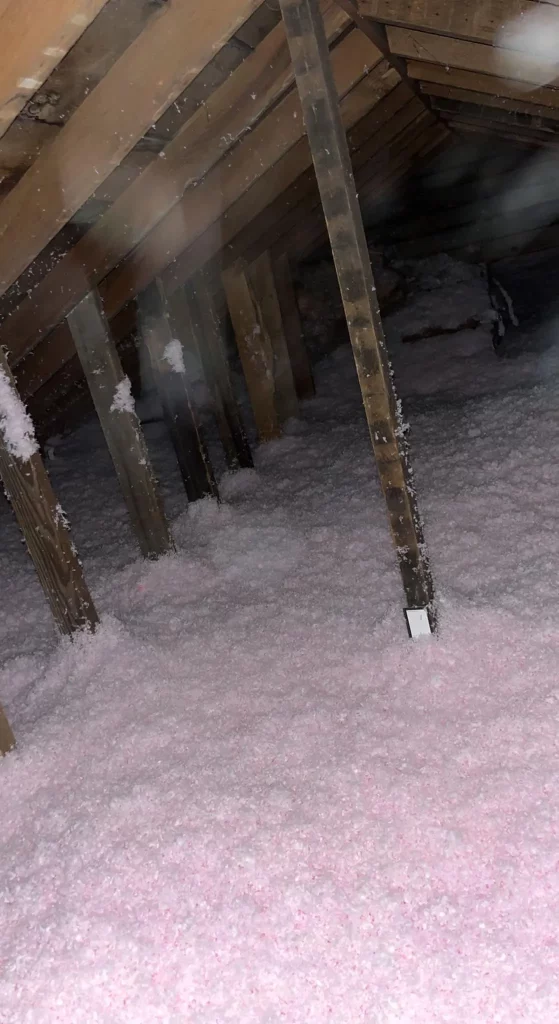
This consistency happens because blown-in insulation fills gaps and voids that traditional batt insulation often misses. It wraps around pipes, electrical boxes, and framing members, creating a continuous thermal barrier. The result is fewer temperature swings and more predictable comfort levels regardless of outdoor conditions. Many homeowners find they can set their thermostat to a single temperature and maintain comfortable conditions in every room without constant adjustments.
Cold spots near windows, doors, and corners virtually disappear after proper insulation installation. These uncomfortable areas typically occur where air leakage meets inadequate insulation, creating localized cold zones that make entire rooms feel drafty and uncomfortable. Blown-in insulation, particularly cellulose, has a higher density that helps block air movement while providing thermal resistance.
Homeowners often report feeling like they’re wearing a sweater even when their thermostat shows a comfortable temperature. This sensation comes from radiant heat loss to cold surfaces, which proper insulation eliminates. The difference is especially noticeable in rooms with exterior walls or those above unconditioned spaces like garages. After insulation, these spaces feel just as comfortable as interior rooms.
Sound transmission from outside decreases noticeably after blown-in insulation installation. The dense material acts as an effective sound barrier, reducing traffic noise, neighborhood sounds, and weather-related disturbances. Homeowners frequently comment on how quiet their homes become, especially during storms or in noisy urban environments.
This acoustic benefit extends to interior noise as well. Sound between floors and rooms diminishes, creating a more peaceful living environment. The reduction in noise pollution contributes significantly to overall comfort and can even improve sleep quality for occupants sensitive to sound. This benefit is particularly valuable for homes near busy streets, airports, or in densely populated neighborhoods where external noise is constant.
Proper insulation helps maintain more stable humidity levels inside your home. When your house is poorly insulated, warm moist air meets cold surfaces during winter, causing condensation that can lead to mold growth and uncomfortable humidity levels. Blown-in insulation keeps interior surfaces warmer, reducing this condensation cycle.
According to research from the U.S. Environmental Protection Agency (https://www.epa.gov/indoor-air-quality-iaq/ ) proper insulation combined with air sealing can reduce humidity problems by preventing moisture migration through building assemblies. Homeowners notice less static electricity in winter and less muggy feeling in summer. The result is a more comfortable environment that doesn’t feel too dry or too damp regardless of outdoor conditions.
Your heating and cooling system runs more efficiently after insulation installation, cycling on and off less frequently. This reduced cycling creates several comfort benefits: more consistent temperatures, less noise from system operation, and better air filtration since the system runs longer cycles less often. Most homeowners immediately notice the difference in how often their furnace or air conditioner kicks on.
Data from the U.S. Department of Energy shows that proper insulation can reduce HVAC runtime by 15-25% depending on climate zone and existing conditions. This not only improves comfort but also extends equipment life and reduces maintenance needs. The steadier operation creates a more comfortable living environment without the constant temperature swings that occur when systems cycle frequently.
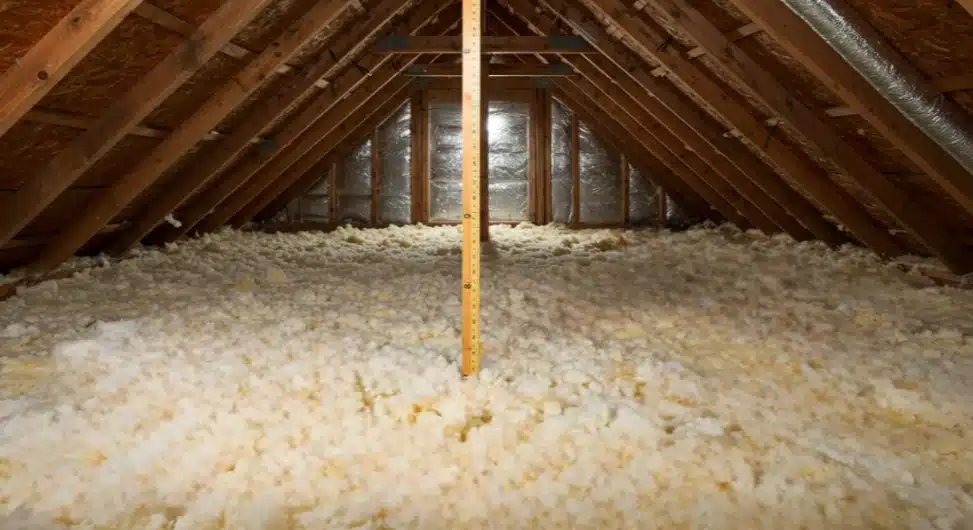
Blown-in insulation, particularly cellulose, can improve your home’s air quality by reducing air infiltration from unconditioned spaces. When your house has gaps and voids, air from attics, crawl spaces, and wall cavities can enter your living space, bringing dust, pollutants, and allergens. Proper insulation seals these pathways, creating a healthier indoor environment.
The reduction in air movement through wall cavities also means fewer pollutants circulating throughout your home. Many homeowners with allergies or respiratory conditions notice immediate improvement in their symptoms after insulation installation. This benefit compounds over time as reduced HVAC cycling means better filtration and less distribution of airborne particles.
While not a direct comfort benefit, reduced energy costs contribute significantly to overall comfort by removing financial stress related to heating and cooling. Homeowners typically see 15-30% reduction in heating and cooling costs after upgrading insulation with proper air sealing. These savings allow homeowners to maintain comfortable temperatures without worrying about utility bills.
Market data from the North American Insulation Manufacturers Association indicates that homeowners who upgrade insulation typically recoup their investment through energy savings within 3-5 years. The psychological comfort of knowing your home is efficient and affordable to heat and cool shouldn’t be underestimated – it removes a constant source of stress for many families.
| Insulation Type | Air Sealing | Sound Reduction | Moisture Control | Typical R-value per inch |
|---|---|---|---|---|
| Blown-in Cellulose | Excellent | Good | Excellent | 3.2-3.8 |
| Blown-in Fiberglass | Fair | Fair | Fair | 2.2-2.7 |
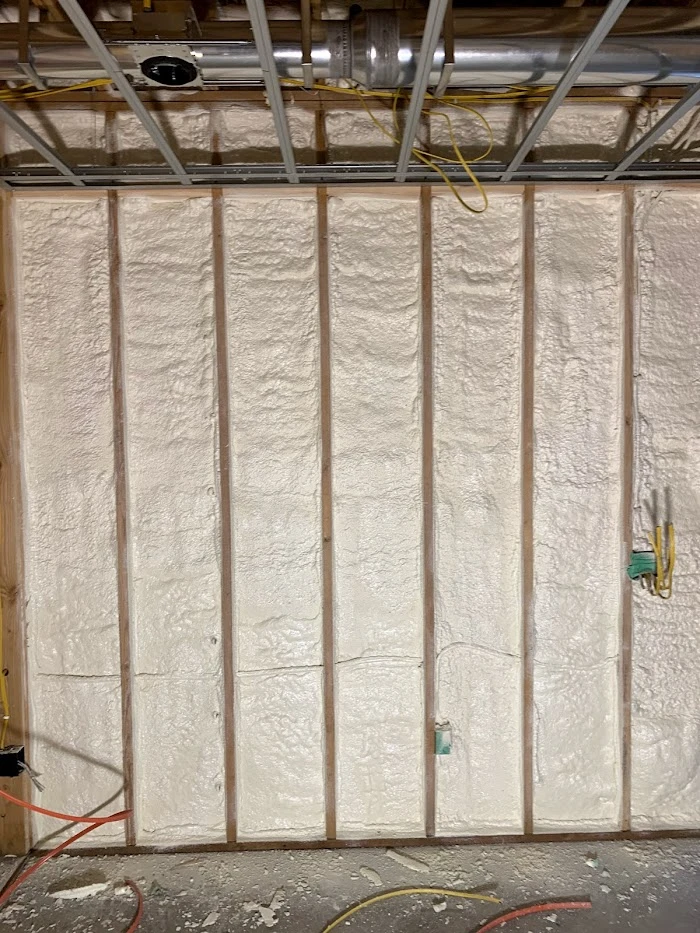
| Spray Foam | Excellent | Excellent | Good | 3.5-6.5 |
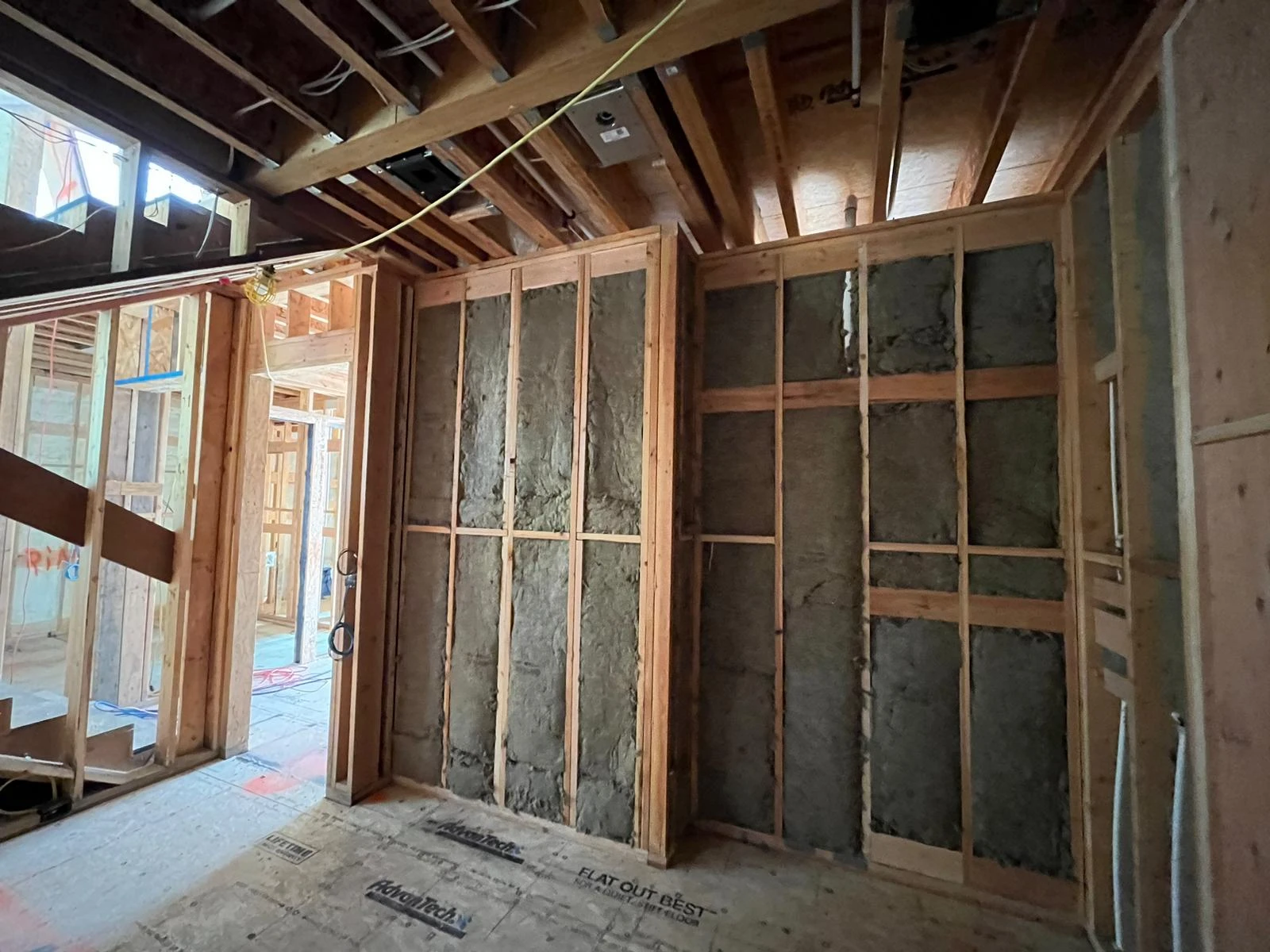
| Fiberglass Batts | Poor | Fair | Fair | 2.9-3.8 |
The effectiveness of blown-in insulation depends heavily on proper installation technique. The material must be installed at the correct density to achieve its rated R-value and avoid settling over time. In cold climates, the recommended insulation levels are higher than in moderate regions – homeowners in Wyoming should aim for R-49 to R-60 in attics for optimal comfort.
Existing conditions in your home affect the results. If you have significant air leakage issues, insulation alone won’t solve all comfort problems. The best results come from combining insulation with air sealing measures like weatherstripping, caulk, and foam sealant. Also consider that some types of blown-in insulation can disturb existing wiring or create dust during installation, so preparation is important.
The seven comfort benefits from blown-in insulation create a noticeably different living environment that most homeowners wish they had experienced sooner. From consistent temperatures to reduced noise and better air quality, these improvements affect daily comfort in ways that become quickly apparent. The financial savings add another layer of comfort by removing the stress of high energy bills.
To determine if your home would benefit from blown-in insulation, evaluate your current comfort issues – do you have rooms that are always too hot or cold? Do you feel drafts near windows and doors? Are your energy bills higher than neighbors with similar homes? Answering yes to these questions typically indicates that insulation upgrades would provide significant comfort improvements for your specific situation.
For a detailed evaluation of your home’s insulation needs and potential comfort improvements, contact High Country Solutions at [email protected] or call (307) 248-9063. A professional assessment can identify specific comfort issues in your home and recommend the right insulation solutions for your climate and budget. High Country Solutions provides thorough insulation evaluations that help homeowners understand exactly what improvements they can expect after installation.
Most blown-in insulation materials last 20-30 years or more when properly installed. Cellulose insulation may settle slightly over time, reducing its thickness by about 1-2% initially, but then remains stable for decades. The comfort benefits typically persist throughout this lifespan unless the insulation becomes damaged by moisture or pests.
Modern building codes recognize that homes need both insulation and ventilation. Proper insulation doesn’t eliminate air exchange entirely – it reduces uncontrolled air movement that causes comfort problems while still allowing for controlled ventilation through mechanical systems or designed air exchange paths. A professional insulation installer can ensure the right balance for your specific home.
Yes, blown-in insulation is particularly beneficial for older homes that often have little to no existing insulation. The installation process is minimally invasive and can be completed without major disruption to your home’s structure. Older homes typically see the most dramatic comfort improvements since they start with the lowest insulation levels.
While DIY installation is possible, professional installation ensures proper density, complete coverage, and integration with existing building components. Improper installation can reduce effectiveness by up to 50% and may create moisture problems if air sealing isn’t addressed correctly. Professional installers also have the right equipment to achieve consistent results.