Why ventilation is a critical partner to your insulation system in Idaho Falls, ID
Ventilation and insulation work as an essential team in Idaho Falls homes, where insulation keeps heat in during winter and…


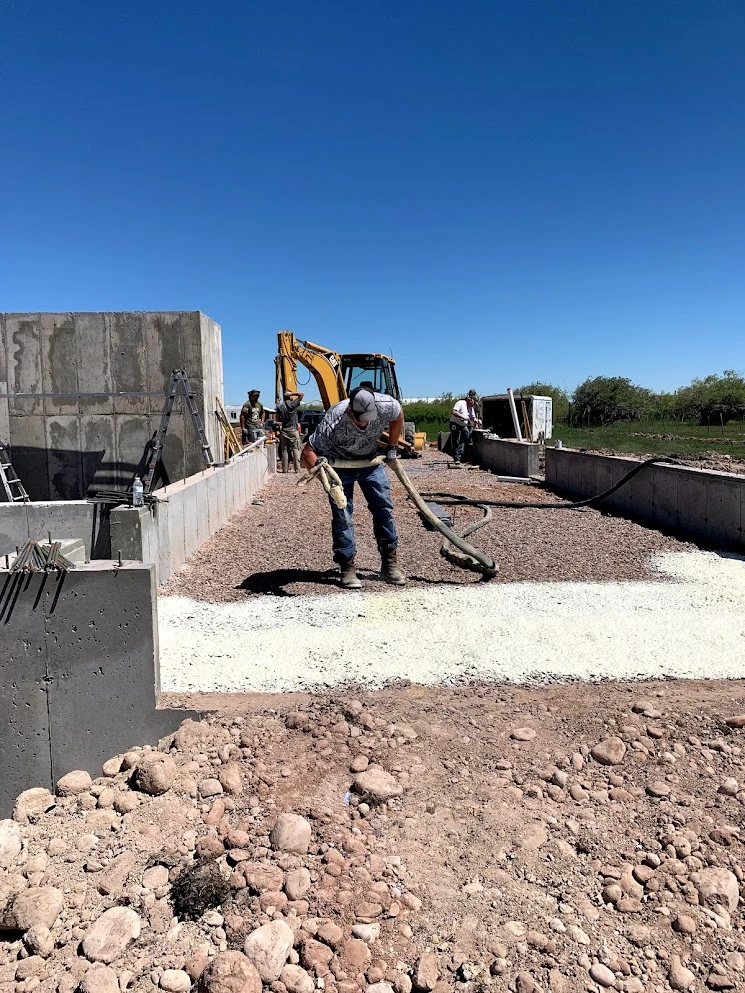
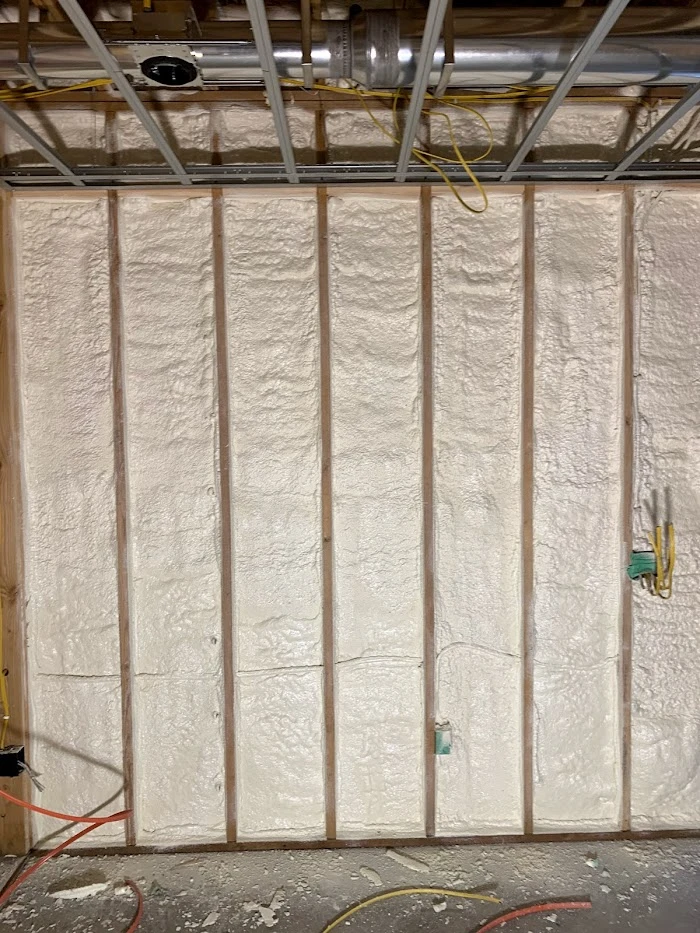
Spray foam insulation creates an airtight seal that blocks outdoor pollutants by expanding to fill every gap and crack, forming a continuous barrier without joints or seams. Unlike traditional insulation materials that leave spaces for air infiltration, spray foam adheres to surfaces and hardens into a solid mass that stops dust, pollen, mold spores, and other airborne contaminants from entering your home. This barrier works because of the foam’s unique cellular structure – millions of tiny closed bubbles that trap air and prevent pollutants from passing through.
Beyond blocking drafts, spray foam insulation improves indoor air quality by reducing the penetration of outdoor pollutants into your living space. The material’s expansion properties allow it to reach into areas where other insulations can’t go, creating an envelope that keeps outside air where it belongs. High Country Solutions has observed over years of installation that properly applied spray foam can reduce air infiltration by up to 90% compared to conventional insulation methods, dramatically lowering the concentration of pollutants entering your home.
Spray foam insulation works through a chemical reaction that transforms liquid components into an expanding solid. When the two parts mix at the application nozzle, they create a polymer that rapidly expands up to 100 times its original volume. This expansion force pushes into every opening, creating a custom-fit seal around pipes, wires, and structural elements. The resulting material contains billions of closed cells that are essentially gas-filled bubbles trapped in a plastic matrix, making it impossible for air molecules and the pollutants they carry to pass through.
The barrier effectiveness comes from multiple physical properties working together. First, the foam’s adhesive nature bonds permanently to building materials, eliminating gaps that typically form between insulation and framing. Second, the material’s density creates an impermeable layer that stops convective air movement. Third, the closed-cell structure prevents moisture vapor transmission, which helps control humidity levels and discourages mold growth. According to research from the U.S. Environmental Protection Agency, controlling moisture entry through building envelopes is one of the most effective strategies for preventing indoor air quality problems.
Spray foam insulation protects against numerous outdoor contaminants that commonly infiltrate homes. Pollen and other allergens cannot penetrate the foam’s cellular structure, providing relief for allergy sufferers. Industrial pollutants, vehicle exhaust particles, and agricultural chemicals are stopped at the building envelope rather than circulating through indoor air. The barrier also prevents dust, soil particles, and radon gas from seeping through foundation cracks and wall voids.
The protection extends to biological contaminants as well. Mold spores, bacteria, and insect fragments carried by outdoor air are blocked from entering living spaces. This comprehensive filtering effect happens automatically there are no filters to change or maintain. The foam continues providing protection for the life of the building, with no degradation in its barrier properties over time American Chemistry Council .
Bonus Tip: In regions with high pollen counts or industrial activity, spray foam can be particularly valuable for maintaining indoor air quality. The material’s ability to prevent particulate infiltration makes it especially effective for homes located near busy highways, agricultural operations, or industrial zones.
Proper installation determines whether spray foam will achieve its maximum barrier potential. The process begins with surface preparation removing dust, grease, and moisture from application areas. Temperature control during application affects expansion and curing, with most manufacturers recommending temperatures between 60-80 degrees Fahrenheit. The technician must apply the correct thickness based on the foam type and climate zone – typically 3-4 inches for closed-cell foam to achieve optimal R-value and air sealing.
Critical access points deserve special attention during installation. Areas around windows, doors, and foundation transitions typically contain the most significant air leakage pathways. The foam must completely fill rim joists, cantilevers, and wall-floor intersections to maintain continuity of the air barrier. Professional installers use thermal imaging during and after application to identify any remaining gaps or thin spots in the insulation layer.
Regional Guidance: In cold climates like Wyoming, preventing ice dams through proper roof insulation becomes especially important. Spray foam’s air sealing properties help maintain uniform roof temperatures, reducing the risk of ice formation at eaves and preventing water damage to the structure.
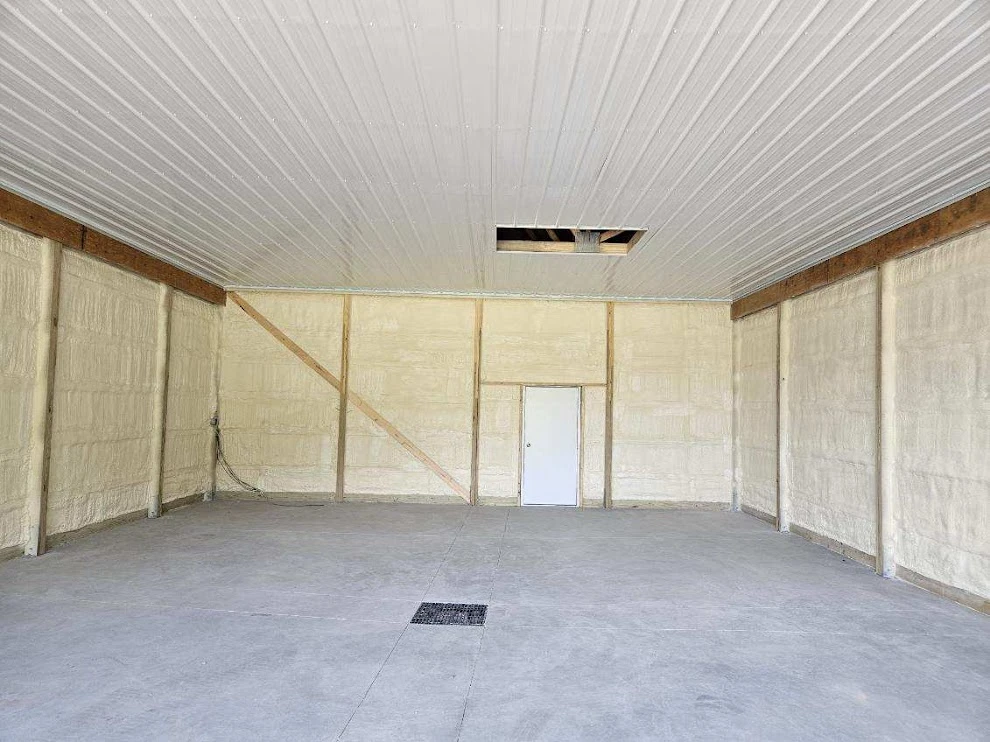
Several factors influence whether spray foam insulation is the right choice for your home. Budget considerations are significant. Spray foam typically costs 2-3 times more than traditional fiberglass insulation, though the energy savings often offset the initial investment over 5-10 years. Building accessibility matters too – contractors need clear access to all cavity surfaces for proper application, which might require removing existing drywall or siding in retrofit situations.
Climate zone requirements affect the type and thickness needed for optimal performance. Homes in extreme cold regions benefit most from spray foam’s superior air sealing, while milder climates might not realize the same level of benefit. Renovation timing presents another consideration major remodeling projects provide ideal opportunities for spray foam installation when walls are already opened for other work.
Bonus Tip: When planning a spray foam project, consider combining it with other air sealing measures like weatherstripping and caulking for maximum efficiency. The foam handles the difficult-to-seal areas while these simpler methods address the obvious gaps around windows and doors.
The barrier properties of spray foam differ significantly from traditional insulation materials. The table below compares key performance characteristics:
| Property | Spray Foam | Fiberglass Batts | Cellulose |
|---|---|---|---|
| Air Infiltration Rate | < 5% | 30-40% | 25-35% |
| Moisture Resistance | Excellent | Poor | Moderate |
| Pollen/Allergen Blocking | 99%+ | 60-70% | 65-75% |
| Lifespan | 50+ years | 15-20 years | 20-30 years |
| Installation Complexity | High | Low | Medium |
| Coverage of Gaps | Complete | Poor | Moderate |
The data clearly shows spray foam’s superior performance in creating a barrier against outdoor pollutants and air infiltration. According to industry statistics from the Insulation Institute, homes with spray foam insulation consistently demonstrate better indoor air quality measurements and lower HVAC energy consumption than equivalent homes using conventional insulation materials.
Spray foam insulation offers unparalleled protection against outdoor pollutants by creating a continuous air barrier that traditional insulation methods cannot match. The material’s unique expanding properties allow it to seal gaps and cracks that would otherwise serve as pathways for contaminants. While the initial investment exceeds conventional options, the long-term benefits include improved air quality, reduced energy costs, and consistent protection for decades.
Before deciding on spray foam, evaluate your specific needs regarding indoor air quality, local environmental conditions, and budget constraints. Consider consulting with insulation professionals who can assess your home’s unique characteristics and recommend the most appropriate solution for your situation. The right decision depends on your climate, home construction, and health priorities rather than following generic recommendations.
For homeowners considering spray foam insulation as a solution against outdoor pollutants, a professional evaluation provides the clearest path forward. High Country Solutions offers comprehensive assessments that examine your home’s specific air leakage patterns, construction details, and local environmental factors. Contact the team at [email protected] or call (307) 248-9063 to schedule an evaluation of your property’s insulation needs and determine how spray foam could improve your indoor air quality. The assessment process includes detailed analysis of your current insulation performance, identification of priority areas for air sealing, and recommendations tailored to your home’s specific characteristics and your family’s health concerns.
Spray foam insulation maintains its barrier properties for the life of the building – typically 50 years or more. The material doesn’t settle, compress, or degrade over time, unlike many traditional insulation materials that can lose effectiveness as they age or shift position within wall cavities.
Yes, spray foam can be retrofitted into existing homes, though the process requires more planning and potentially higher costs. Installers can access cavity spaces through small holes drilled from inside or outside the home, or during larger renovation projects when walls are opened for other reasons. The effectiveness in retrofit situations equals new construction when properly installed.
While spray foam provides excellent moisture resistance, it’s not a complete solution for water intrusion issues. The material effectively blocks moisture vapor transmission through walls, but you still need proper exterior drainage, roof systems, and foundation waterproofing to prevent liquid water infiltration. Think of spray foam as one component of a comprehensive moisture management strategy.
When properly installed and cured, spray foam insulation is safe and contributes positively to indoor air quality by reducing pollutant infiltration. The installation process requires professional handling with proper ventilation and personal protective equipment. After the recommended curing period (typically 24-72 hours), the material is inert and off-gassing is complete.