Why ventilation is a critical partner to your insulation system in Idaho Falls, ID
Ventilation and insulation work as an essential team in Idaho Falls homes, where insulation keeps heat in during winter and…


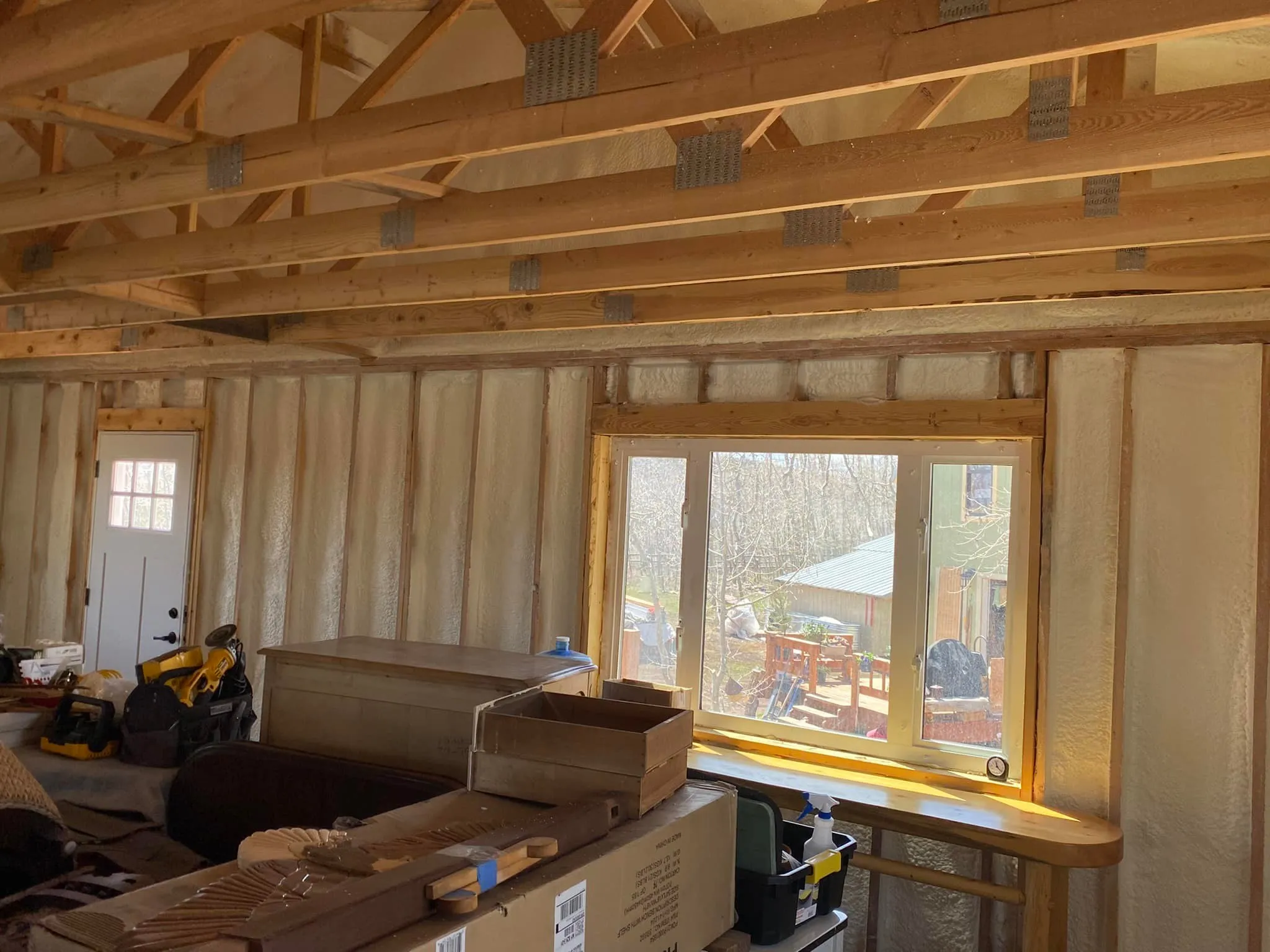
Ignoring those small, inaccessible areas in a building often leads to significant performance gaps. Adding insulation to hard-to-reach spaces like knee walls, cantilevers, crawl space perimeters, and behind mechanical systems provides five major advantages: dramatically reduced energy costs, stable year-round interior comfort, effective moisture and mold prevention, noticeable noise reduction, and long-term protection of the building structure. These benefits work together to optimize the building envelope, making the entire structure more efficient and livable.
The difference between a well-performing structure and one plagued by drafts and high utility bills frequently comes down to addressing these overlooked spots. High Country Solution focuses on closing the envelope entirely, recognizing that even small, uninsulated gaps can compromise the performance of the most expensive heating and cooling systems. Understanding these five specific advantages clarifies why focusing on these difficult areas is essential for lasting home improvement and optimal building performance.
Uninsulated voids are not just wasted space; they function as serious thermal bridges that allow heat to escape in winter and infiltrate in summer. This continuous energy transfer forces HVAC systems to run longer and harder, wasting energy. While main attics and exterior walls get most of the attention, smaller areas like chase walls, dormer ceilings, and the spaces around plumbing stacks often go unaddressed during standard retrofitting projects. These neglected areas create inconsistent temperatures and dramatically lower the overall effective R-value of the building envelope.
Sealing and insulating these overlooked thermal bridges is one of the most effective ways to lower monthly utility expenses. When air leakage stops and thermal resistance increases, the heating and cooling load decreases immediately. Data from the U.S. Department of Energy (DOE) indicates that air sealing and insulation installation can save homeowners 15% on heating and cooling costs, and sometimes up to 20% on total energy bills. Focusing on spaces that permit high air infiltration, such as around attic hatches or poorly sealed access panels in crawl spaces, yields fast financial returns.
One of the most immediate benefits noticed by occupants is the elimination of cold spots and drafts. In areas with extreme temperature swings, like the high country climate, a difference of just a few degrees in a room makes a huge impact on comfort. Hard-to-reach spaces often separate conditioned areas from unconditioned air, leading to freezing floors above crawl spaces or cold walls from uninsulated knee walls in bonus rooms. Insulating these areas ensures a more consistent temperature floor-to-ceiling, which means less cycling of the thermostat and fewer complaints about cold feet or hot air pockets.
Bonus Tip 1: When dealing with knee walls common in structures built on slopes or with finished attics, ensure the insulation material chosen creates an air barrier, not just a thermal barrier. Air leaks are often a greater culprit than poor R-value in these specific areas.
Moisture control is perhaps the least visible but most important benefit of insulating difficult voids. When warm, humid indoor air meets cold surfaces in uninsulated areas (like the back side of a chimney chase or the joist cavity above a cold garage), condensation occurs. This condensation creates a perfect environment for mold and mildew growth, which can lead to poor indoor air quality and structural damage. Effective insulation raises the temperature of these surfaces, keeping them above the dew point and preventing water accumulation. U.S. Environmental Protection Agency (EPA)
| Insulation Type | Best For Hard-to-Reach Spaces | R-Value Per Inch (Approximate) | Primary Moisture Barrier Function |
|---|---|---|---|
| Blown-In Cellulose | Dense packing of irregular cavities | 3.2 – 3.8 | Air restriction: absorbs and releases moisture |
| Closed-Cell Spray Foam | Exterior walls, cantilevers, tight rim joists | 6.0 – 7.0 | Vapor and air barrier; water-resistant |
| Open-Cell Spray Foam | Interior walls, irregularly shaped cavities | 3.5 – 3.8 | Air barrier; allows moisture permeance |
Many small, uninsulated spaces act as natural sound chambers, especially when they connect different parts of the structure or when located near exterior noise sources. Gaps around pipes, electrical runs, and ducts in walls transmit noise easily. Filling these voids, particularly with dense-pack cellulose or certain types of spray foam, adds mass and decoupling to the structure. This sound-dampening reduces noise transmission between floors, rooms, and the outdoors, creating a quieter and more peaceful interior environment.
Long-term exposure to temperature extremes and uncontrolled moisture compromises building materials. By stabilizing the internal environment, insulation protects the wood, drywall, and structural components from freeze-thaw cycles and chronic dampness. Furthermore, a well-insulated structure is a highly attractive feature for prospective buyers. The Appraisal Institute routinely recognizes energy efficiency upgrades, like comprehensive insulation, as improvements that directly contribute to increased home valuation and market appeal. This ensures that the investment in hard-to-reach insulation yields both operational savings and capital gains.
By stabilizing these areas, we can also mitigate damage from seasonal weather cycles.
Bonus Tip 2: For structures with complex rooflines common in custom homes, insulating the cathedral ceilings or small attic portions (like those over garages) with high-density foam prevents ice dam formation, which is a significant structural threat in snowy regions.
Before undertaking any insulation project in tight spaces, assessing the current condition of the area is vital. Determine if any wiring or plumbing requires maintenance before it gets covered. The choice of insulation material must match the space’s specific needs, especially regarding moisture management and required air sealing.
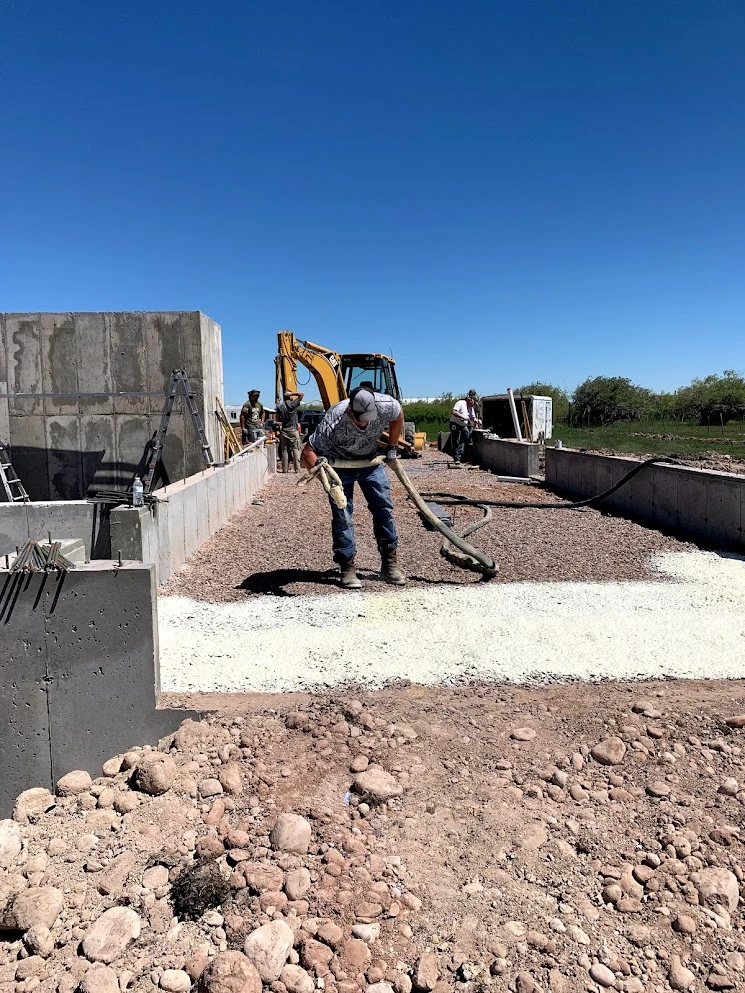
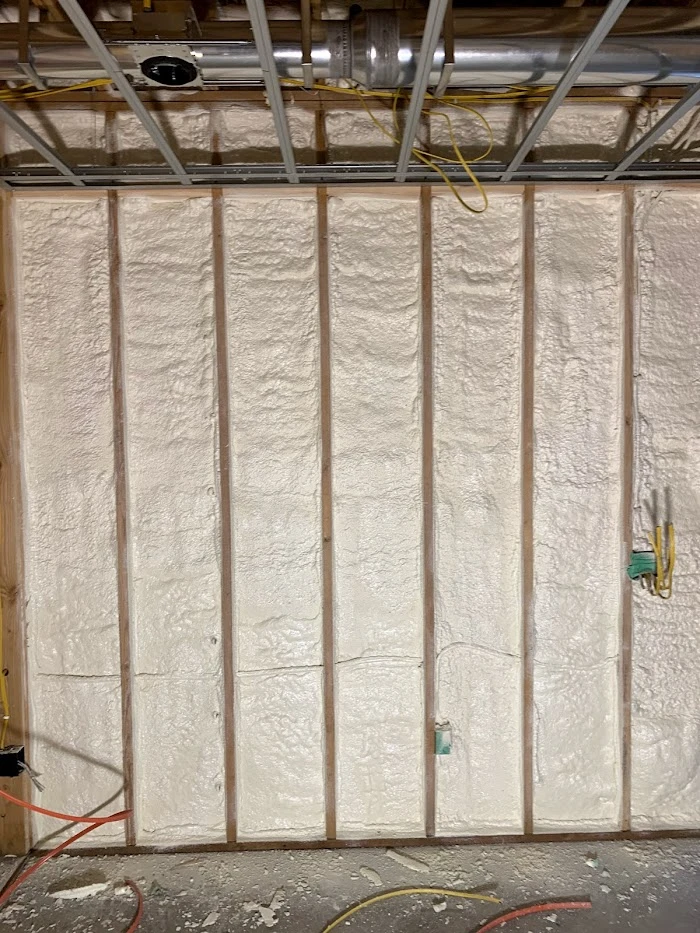
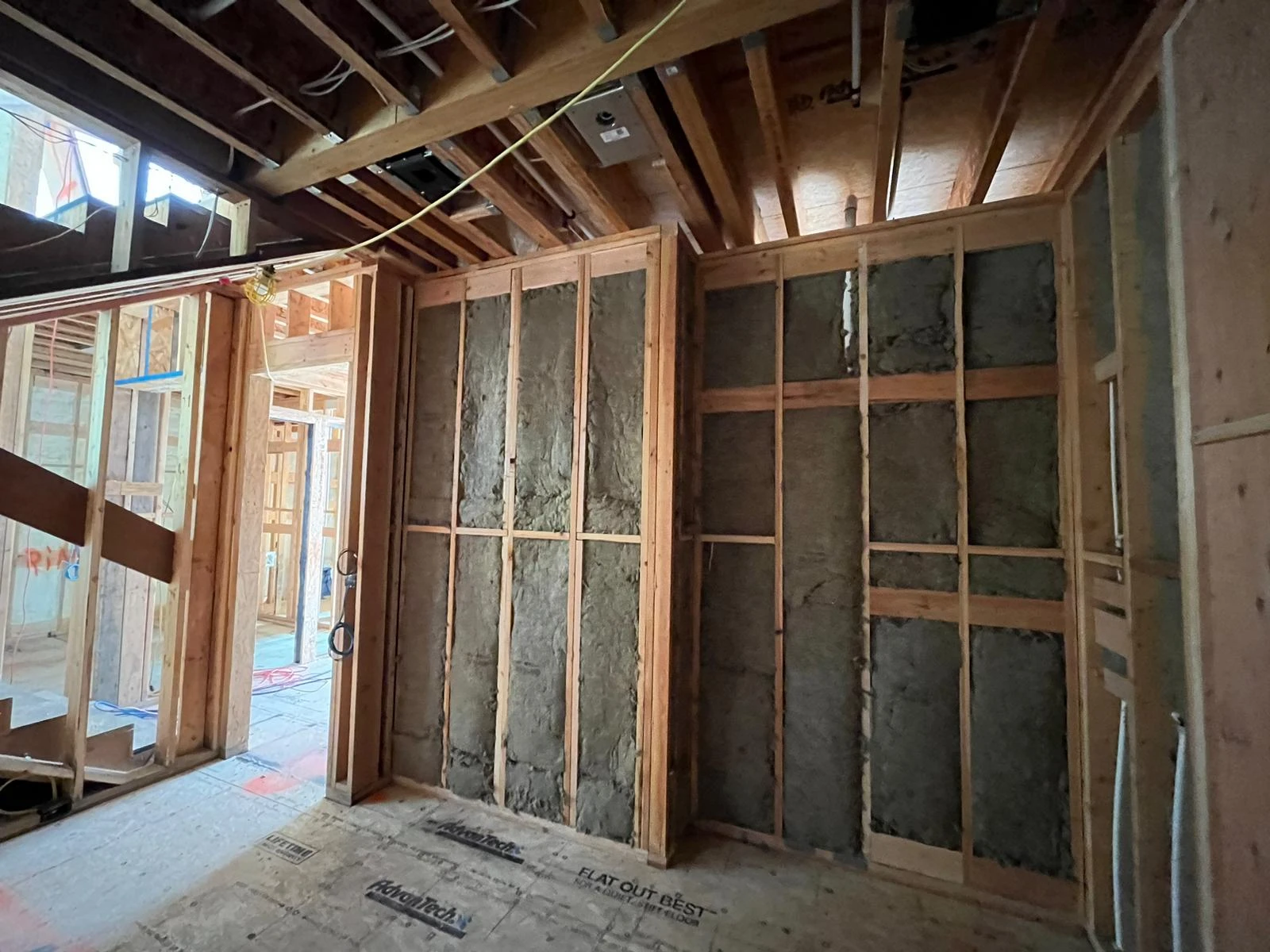
Select materials based on the gap size and accessibility. Blown-in materials like cellulose work well in existing walls and tight cavities where access is limited to a small bore hole. Spray foam solution is often ideal for rim joists, band boards, and cantilevers because it expands to seal every crack and crevice, providing both air sealing and thermal resistance simultaneously. For extremely cold areas, calculating the required R-value for these specific walls or floors, rather than simply matching the rest of the house, guarantees better performance.
Insulation alone is rarely enough; air sealing must happen first. Use caulk, gaskets, or expanding foam sealant to close gaps around utility penetrations, framing members, and foundation junctions. Air movement can negate the effectiveness of any insulation material. Proper preparation ensures the insulation performs as intended once installed.
Bonus Tip 3: When working in crawl spaces, verify that ground moisture is controlled first. If the area is damp, a high-quality vapor barrier over the ground must precede any insulation applied to the perimeter walls or subfloor to prevent moisture from saturating the new material.

Yes, absolutely. A finished attic usually involves knee walls and sloped ceilings, creating small, hard-to-access cavities between the exterior roof deck and the interior drywall. These spaces require careful venting (if fiberglass or cellulose is used) or, ideally, conversion to an unvented assembly using spray foam applied directly to the underside of the roof deck to eliminate the possibility of thermal bypass.
The most critical areas are those that directly connect the living space to unconditioned outdoor air or adjacent spaces. This includes rim joists (the wooden boundary between the foundation and the floor framing), cantilevered floors (where a floor extends past the exterior wall below), and knee walls.
While materials like spray foam maintain their integrity for the life of the structure, traditional batting or loose-fill materials can settle or be displaced over time, particularly if there is ongoing vibration or water damage. Settling reduces the effective R-value, making periodic checks necessary, especially after a decade or more.
Common signs include persistent drafts near the floor or ceiling, walls that are noticeably cold or hot to the touch, visible signs of condensation on interior surfaces during extreme weather, or disproportionately high heating or cooling bills compared to neighbors with similar-sized homes.
Investing in these smaller, difficult insulation projects is an investment in the long-term health and efficiency of a structure. By closing air leaks and adding thermal resistance, owners realize significant operational savings, enjoy consistent year-round comfort, and protect against structural damage caused by moisture and drafts. Evaluating the specific conditions of a structure, including its age, location, and existing moisture issues, determines the best materials and application methods to pursue. Focus on addressing the worst offenders first, prioritizing the areas that currently contribute the most to air leakage and heat loss.
Determining the right strategy for insulating challenging areas requires detailed knowledge of building science and specialized equipment. High Country Solution helps property owners diagnose thermal deficiencies and apply precise insulation solutions to close performance gaps effectively. To discuss structural assessments or specialized insulation techniques for your home or business, please reach out via email at [email protected] or call (307) 248-9063. Expert advice ensures the project yields the maximum return in comfort and energy efficiency.