Why ventilation is a critical partner to your insulation system in Idaho Falls, ID
Ventilation and insulation work as an essential team in Idaho Falls homes, where insulation keeps heat in during winter and…


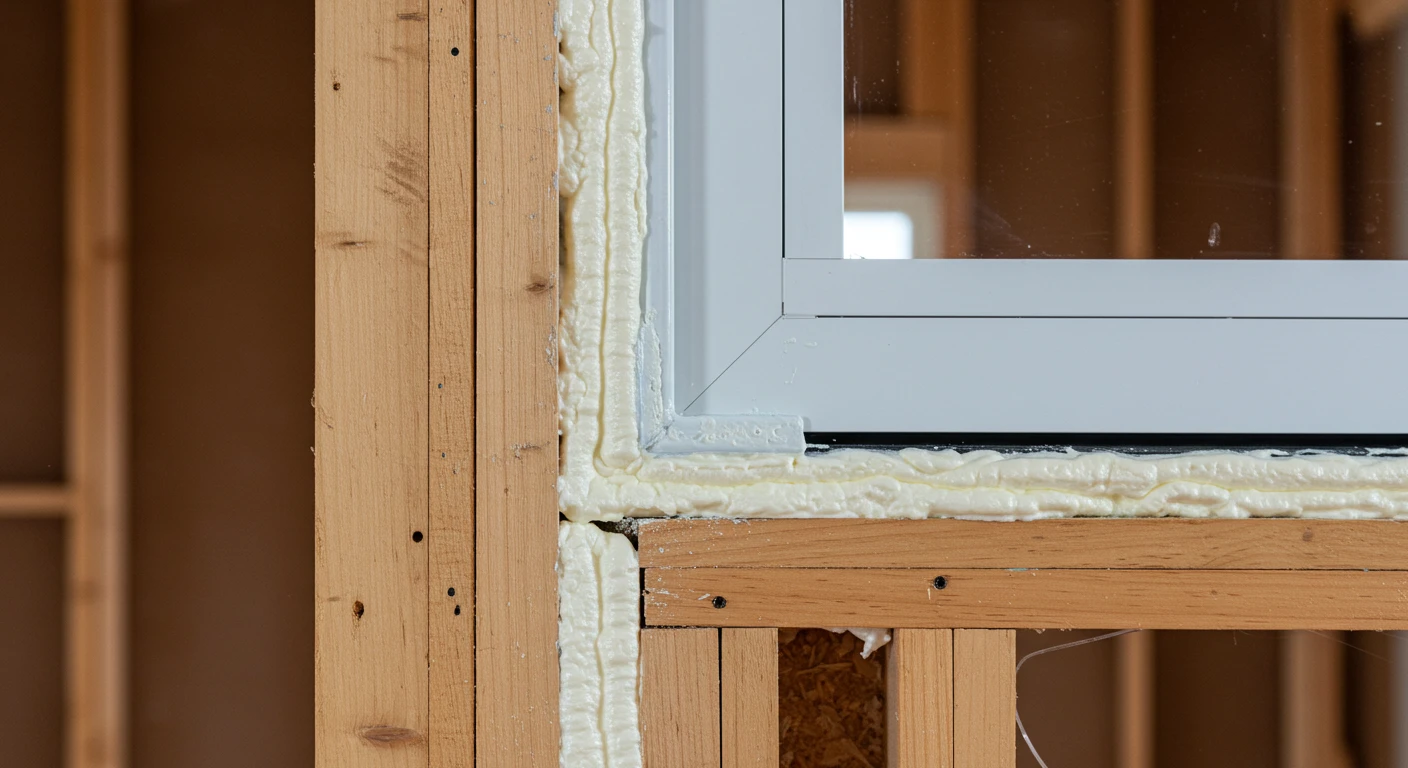
When you combine air sealing with proper ventilation, you create a home that’s both energy-efficient and healthy. This strategic pairing prevents conditioned air from escaping while ensuring fresh air circulates, resulting in lower energy bills, better indoor air quality, and consistent comfort throughout your living spaces. The magic happens when air sealing stops the uncontrolled air leaks and mechanical ventilation provides controlled fresh air intake.
Many homeowners focus only on one aspect or the other, leading to problems. Air sealing without adequate ventilation can trap moisture, chemicals, and pollutants inside your home. Conversely, ventilation without proper sealing wastes energy by letting conditioned air escape. Getting both right means your home breathes deliberately rather than randomly, which is exactly how modern buildings should operate.
Air sealing and ventilation exist on opposite ends of the same spectrum, yet they complement each other perfectly. Air sealing involves identifying and closing gaps, cracks, and holes where air leaks in and out of your home. Common culprits include plumbing penetrations, electrical outlets, and gaps around windows and doors. According to the U.S. Department of Energy, air sealing alone can save homeowners up to 15% on heating and cooling costs.
Ventilation serves the opposite purpose – it intentionally exchanges indoor air with outdoor air to remove moisture, pollutants, and odors. Without proper ventilation, indoor pollutants can concentrate to levels 2-5 times higher than outdoor air, as reported by the Environmental Protection Agency. The challenge is achieving this exchange without wasting energy through uncontrolled air movement.
Air sealing makes your home’s envelope more continuous and controlled. This creates several immediate effects. First, your heating and cooling systems don’t run as often because conditioned air stays inside longer. Second, drafts disappear, making rooms feel more comfortable at consistent temperatures. Third, outdoor pollutants like pollen, dust, and vehicle exhaust enter less frequently.
However, tightening your home also reduces natural air exchange. Older homes typically have enough random air changes per hour through leaks and gaps that formal ventilation isn’t necessary. Modern building standards aim for much tighter envelopes, which means mechanical ventilation becomes essential, not optional.
Bonus Tip: Start with a blower door test to identify exactly where your home is leaking air. This diagnostic tool helps prioritize air sealing efforts by showing you the biggest problem areas first.
Proper ventilation removes contaminants that accumulate indoors, including moisture from cooking and bathing, chemicals from building materials and furniture, and carbon dioxide from breathing. It also helps prevent mold growth and structural damage by controlling humidity levels.
There are three main types of ventilation systems. Exhaust-only systems use fans to push air out, creating negative pressure that pulls fresh air through random gaps. Supply-only systems work in reverse, bringing fresh air in through ducts. Balanced ventilation systems use fans to both exhaust stale air and supply fresh air simultaneously, providing the most consistent air exchange with minimal energy loss.
The American Society of Heating, Refrigerating and Air-Conditioning Engineers (ASHRAE) recommends at least 0.35 air changes per hour for continuous ventilation, or about 15 cubic feet per minute per person, whichever is greater.
The combination of air sealing and ventilation creates a controlled indoor environment. Think of it like making your home’s breathing system intentional rather than accidental. You stop the random, uncontrolled air leaks and replace them with predictable, measured ventilation exactly where and when you need it.
This approach delivers multiple benefits. Energy efficiency improves because your HVAC system runs less frequently. Indoor air quality gets better because pollutants are systematically removed. Comfort increases with more consistent temperatures and fewer drafts. Durability improves because moisture is properly managed rather than accumulating in walls and attics.
The table below compares different approaches to managing air flow in homes:
| Approach | Energy Efficiency | Indoor Air Quality | Comfort Level | Maintenance |
|---|---|---|---|---|
| Neither sealing nor ventilation | Poor | Variable | Poor | None |
| Air sealing only | Good | Poor | Good | Low |
| Ventilation only | Poor | Good | Variable | Medium |
| Both air sealing and ventilation | Excellent | Excellent | Excellent | Medium |
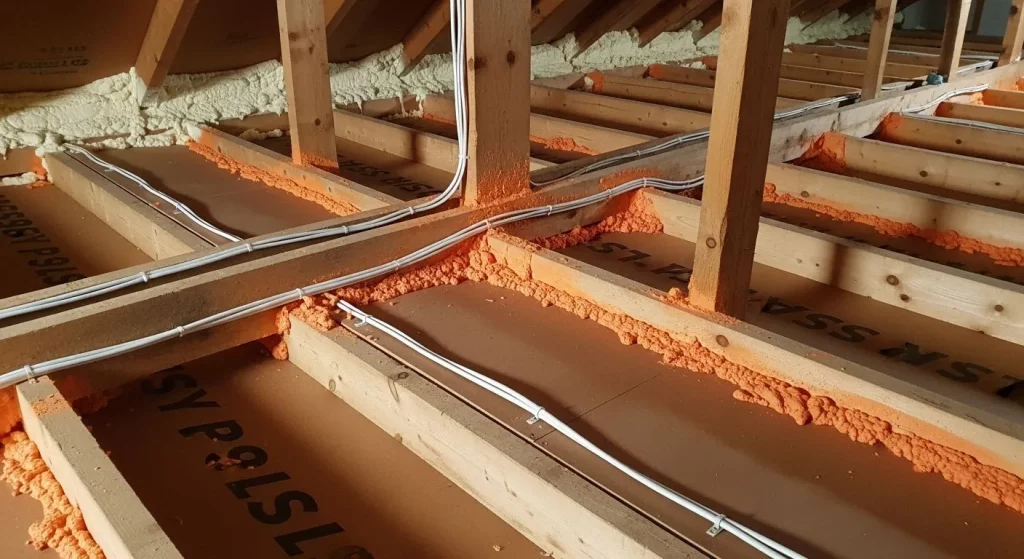
Climate significantly impacts the ideal balance between air sealing and ventilation. In cold climates like Wyoming, preventing warm air from escaping takes priority, so thorough air sealing combined with heat recovery ventilation makes sense. In hot, humid regions, moisture control becomes critical, often requiring more aggressive ventilation to prevent condensation issues.
Home age and construction matter too. Older homes with extensive air leaks might need less mechanical ventilation initially, while newer, tighter buildings absolutely require dedicated ventilation systems. The presence of attached garages, combustion appliances, or specific health concerns like asthma may also affect your approach.
Bonus Tip: If you have gas appliances or a fireplace, install carbon monoxide detectors when tightening your home. Air sealing can change how exhaust systems operate, creating potential safety issues that need monitoring.
Homes in high-altitude mountain regions face unique challenges, making the balance between air sealing and ventilation particularly important. The significant temperature swings between day and night create constant pressure differences that drive air exchange. Thin air also means less oxygen per breath, making good indoor air quality essential.
Snow accumulation can create additional ventilation problems by blocking exhaust vents or causing ice dams that allow water infiltration. Wind exposure is another factor – homes on ridgelines or open slopes experience much higher air pressure differences than sheltered locations. These regional factors mean mountain homes often benefit from more sophisticated ventilation systems with automatic controls that adjust to changing conditions.
Bonus Tip: In cold climates, consider an energy recovery ventilator (ERV) rather than a heat recovery ventilator (HRV). ERVs transfer both heat and moisture, preventing your home from becoming too dry during winter heating.
The combination of air sealing and ventilation creates homes that are simultaneously energy-efficient and healthy. Air sealing alone can trap pollutants, while ventilation without sealing wastes energy. When implemented together properly, these complementary approaches provide consistent comfort, lower utility bills, and better indoor air quality. Success requires understanding your specific climate, home construction, and household needs to strike the right balance between tightness and fresh air exchange.
Before starting either project, evaluate your current situation through testing and professional assessment. Consider your regional climate factors, especially if you live in areas with extreme weather like mountain regions. The most effective solutions address both sealing and ventilation as an integrated system rather than separate afterthoughts.
For homeowners interested in optimizing their home’s air sealing and ventilation balance, professional guidance can make the difference between success and frustration. High Country Solution offers comprehensive assessments that identify specific air-leakage points and ventilation needs tailored to your home’s unique characteristics. Contact us at [email protected] or call (307) 248-9063 to schedule a thorough evaluation. Our expertise in mountain home performance ensures you’ll get solutions designed for your specific climate challenges and comfort requirements.
Yes, homes can be sealed so tightly that they don’t get adequate fresh air exchange without mechanical ventilation. That’s why air sealing and ventilation should always be planned together rather than as separate projects.
Basic air sealing materials require a modest initial outlay for the average home. Ventilation solutions range from standard exhaust fans to premium, high-efficiency heat recovery systems. These improvements typically recoup their value through energy savings within five to ten years.
Often not. Most existing heating and cooling systems can handle the reduced load after proper air sealing. However, the system may run less frequently, which can affect humidity control in some cases.
Signs of inadequate ventilation include persistent condensation on windows, musty odors, stuffy air, and moisture problems in bathrooms or kitchens. Carbon dioxide monitors can also provide objective feedback about air freshness.
It’s possible, but often more expensive. Installing ventilation systems after major renovations is more difficult and may require compromising newly finished surfaces. Planning both systems together from the start yields better results and lower overall costs.